Real appliance and aircon repairs by our own technicians, with photos from each job: Johannesburg, Pretoria, Centurion, Midrand, Sandton, Krugersdorp, the East Rand and more.
Updated
Quick answer: Absolute Repairs & HVAC repairs fridges, freezers, washing machines, tumble dryers, dishwashers, ovens, stoves and aircons on site across Gauteng, and installs and services aircons. Below are 37 real jobs with photos, including the fault we found and how we fixed it. The same R350 diagnostic call-out applies in every area we cover.
A back-to-back installation in Midrand: the indoor unit is mounted on the inside of the same wall as the outdoor unit, so the pipes go straight through the wall. It's the quickest and most affordable type of installation, and our back-to-back installations start from R1,650. We mounted the Unitherm outdoor unit on wall brackets below the balcony, ran the drain pipe and cabling neatly down the wall, and tested the system before handing over.
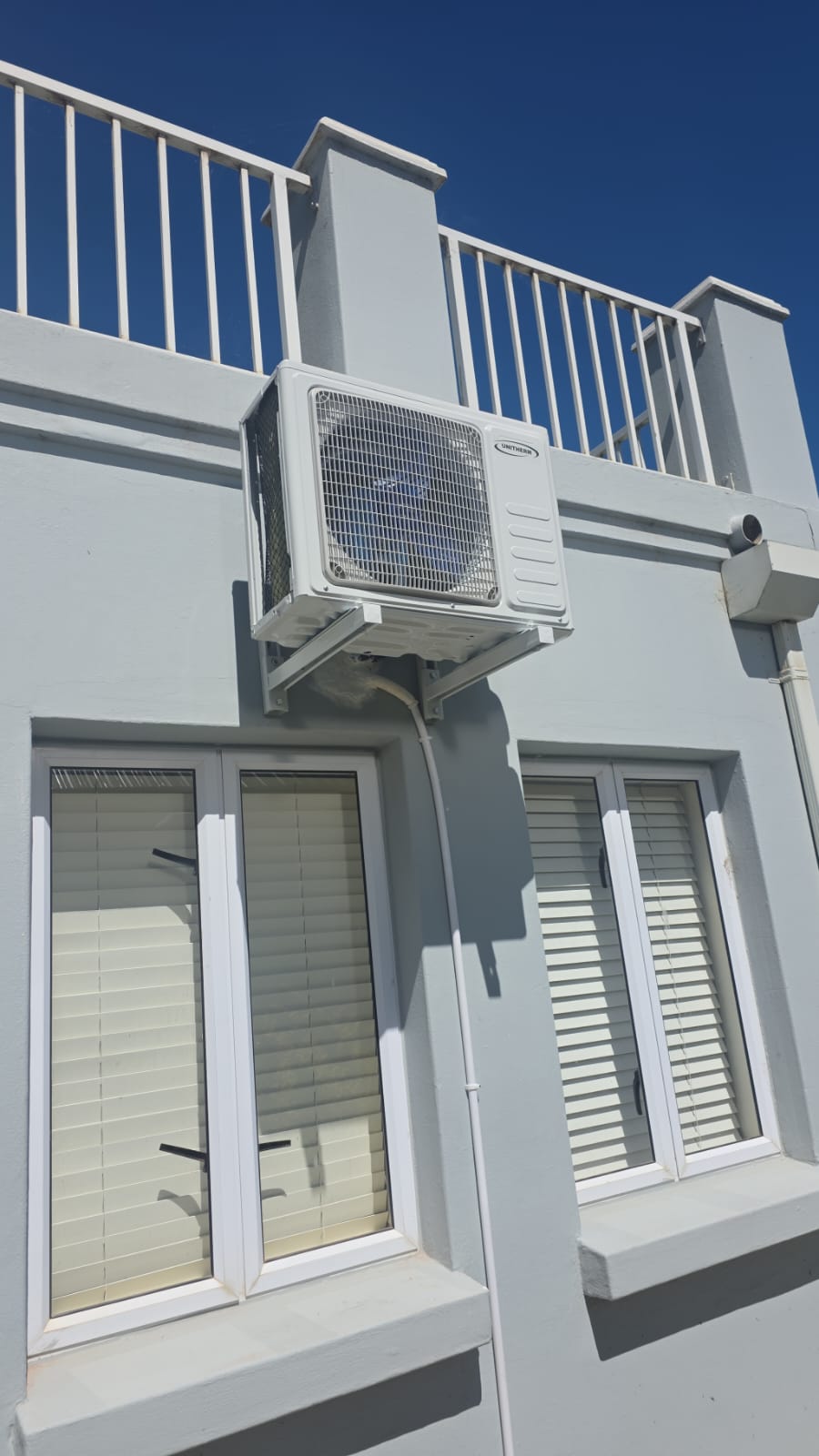
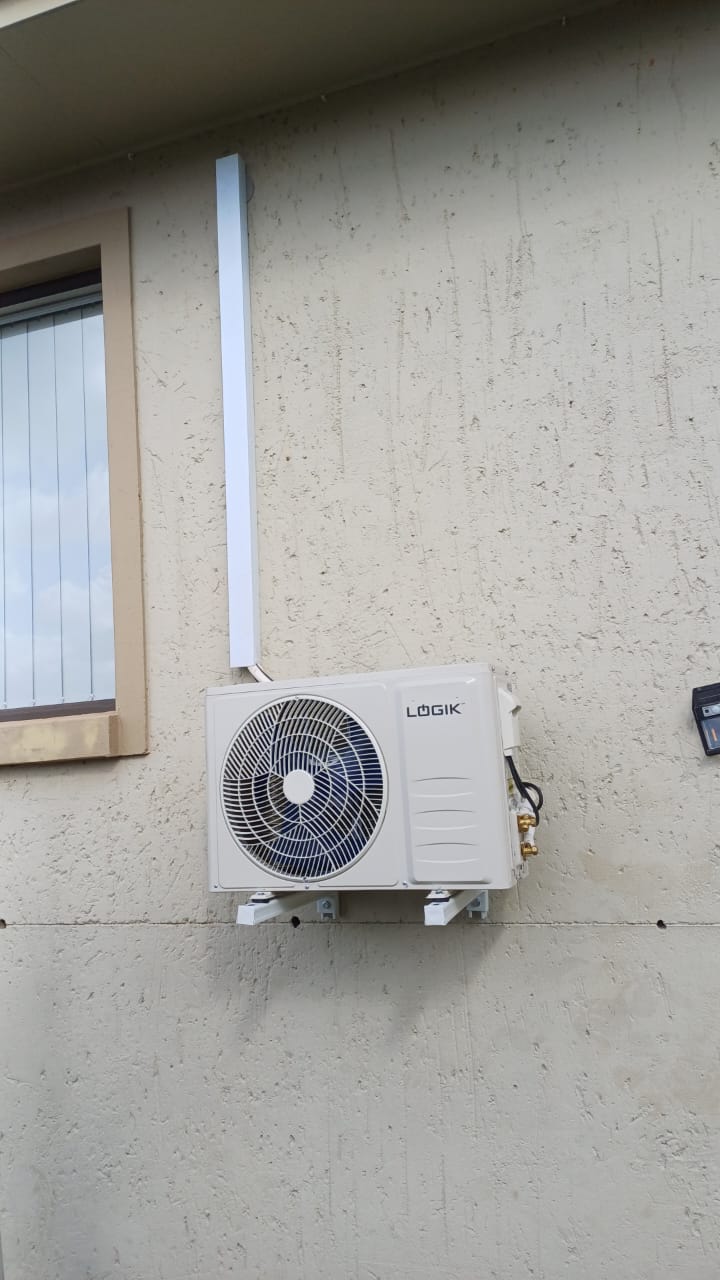
A new Logik split aircon installation in Centurion. We mounted the outdoor unit on wall brackets beside the window and ran the pipework and cabling down the wall in neat white trunking, so the installation looks tidy from outside. The system was pressure-tested and vacuumed before the gas was released, then tested on cooling. Like every aircon we install, it gets a free service six months later.
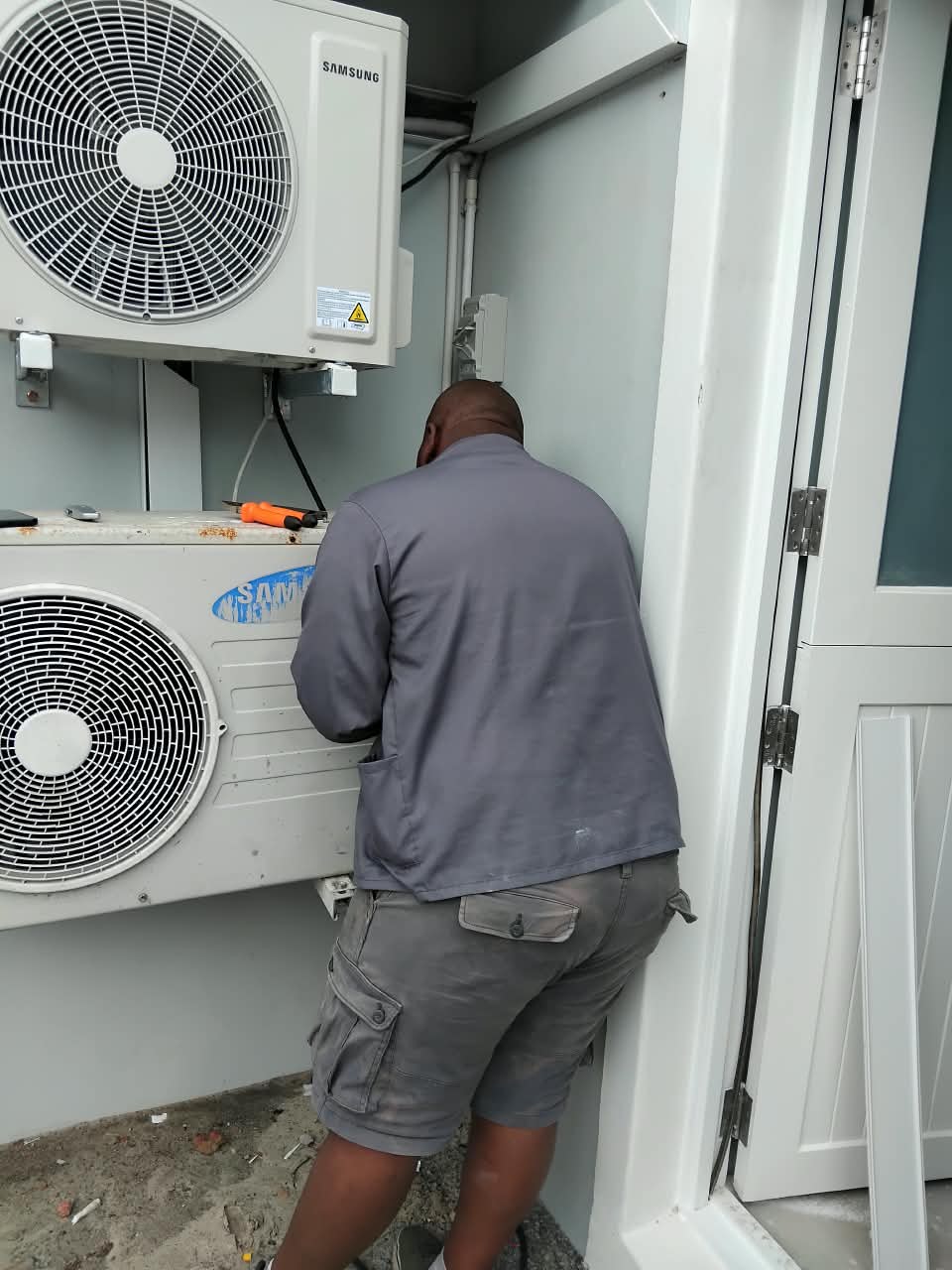
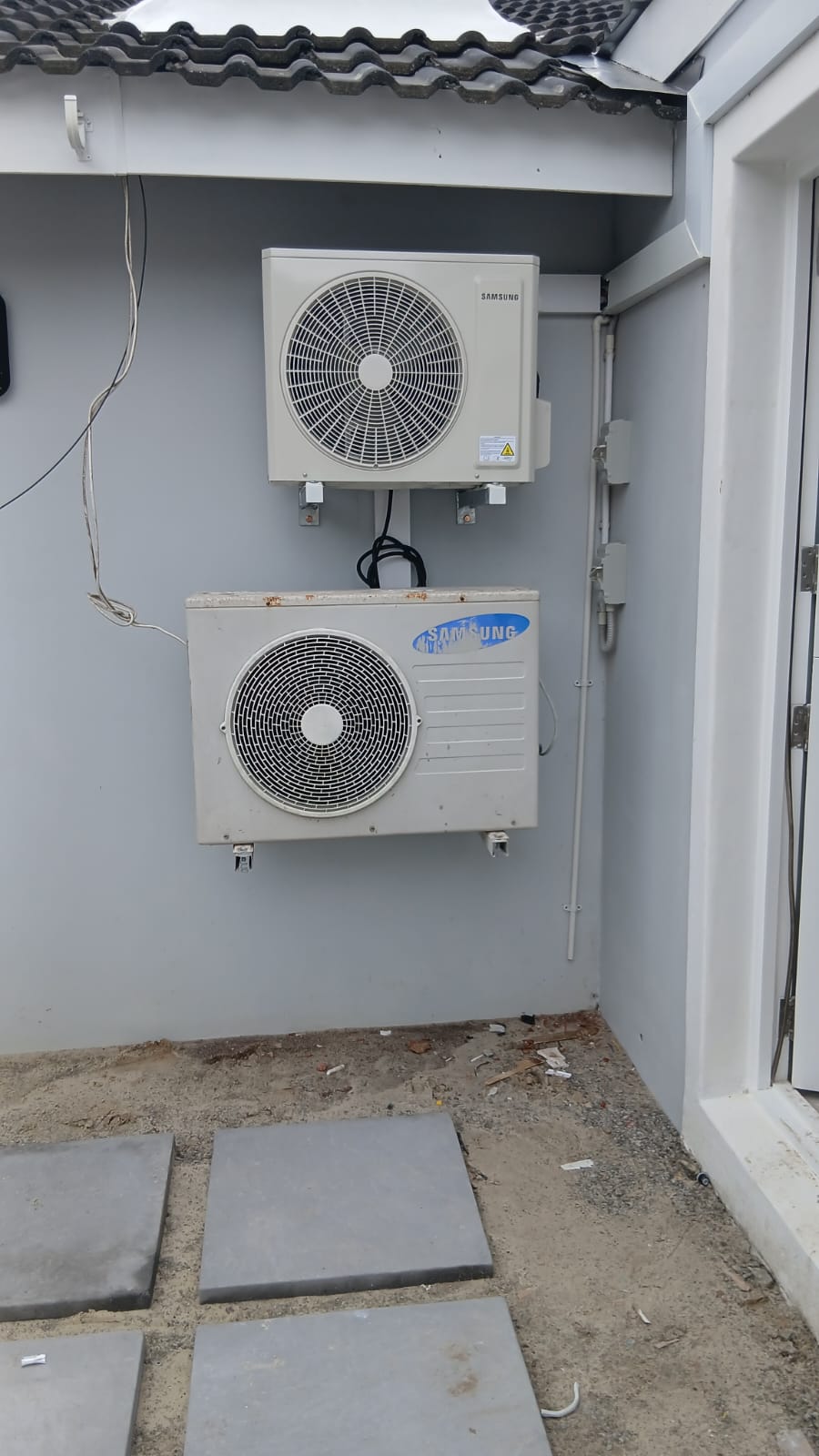
The client wanted two rooms cooled: one with a brand-new Samsung inverter split, and one with a second-hand Samsung unit they already owned. Before reinstalling the used unit, we checked it for damage, corrosion and leaks and made sure the indoor and outdoor units were a matched pair. We mounted both outdoor units on wall brackets, one above the other, ran the cabling and pipework in neat trunking, and pressure-tested and vacuumed each system before releasing the gas. Both aircons were tested and cooling properly before we left. Tip: a second-hand aircon is usually worth reinstalling, as long as it's checked first and installed as carefully as a new one.
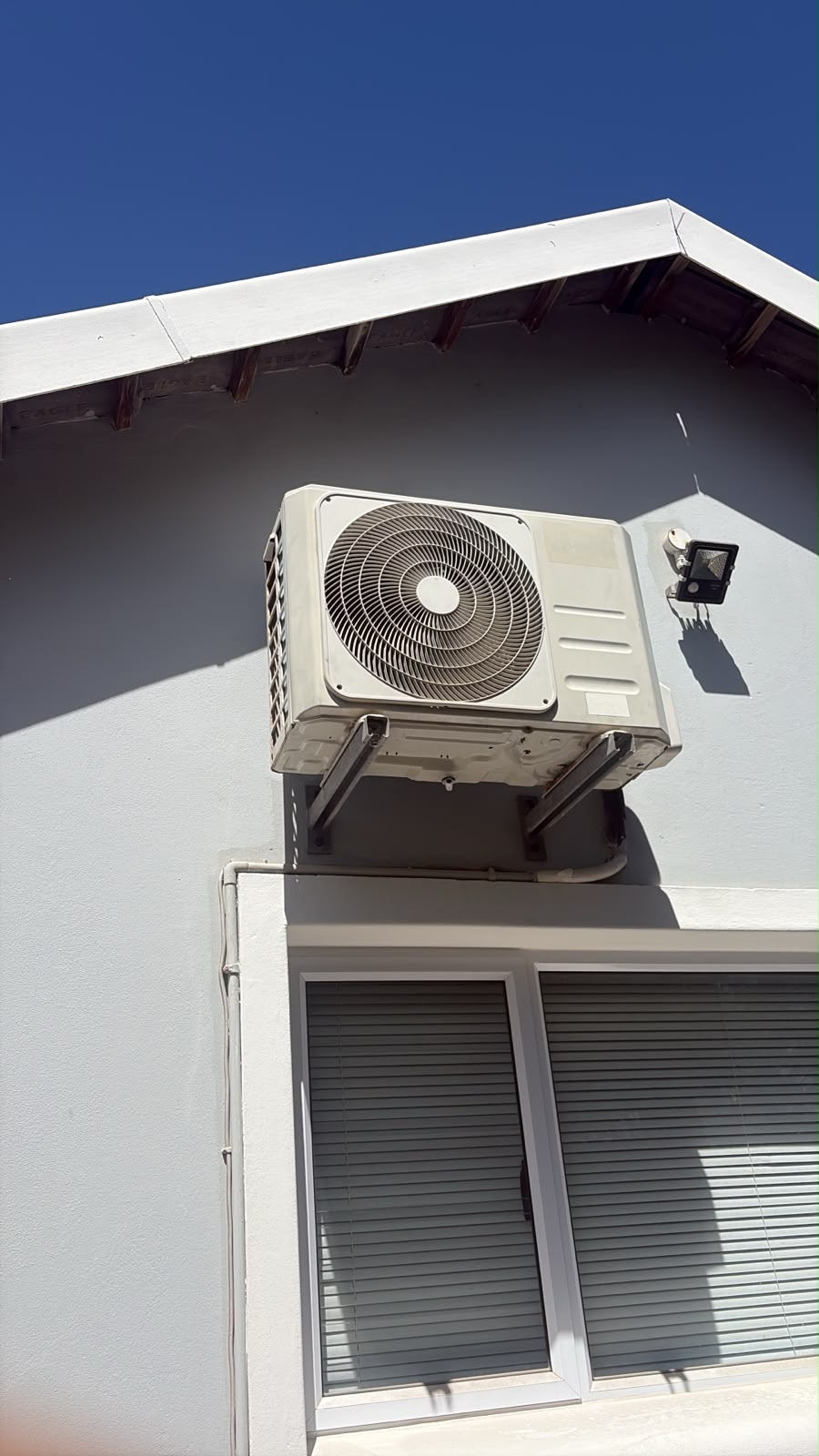
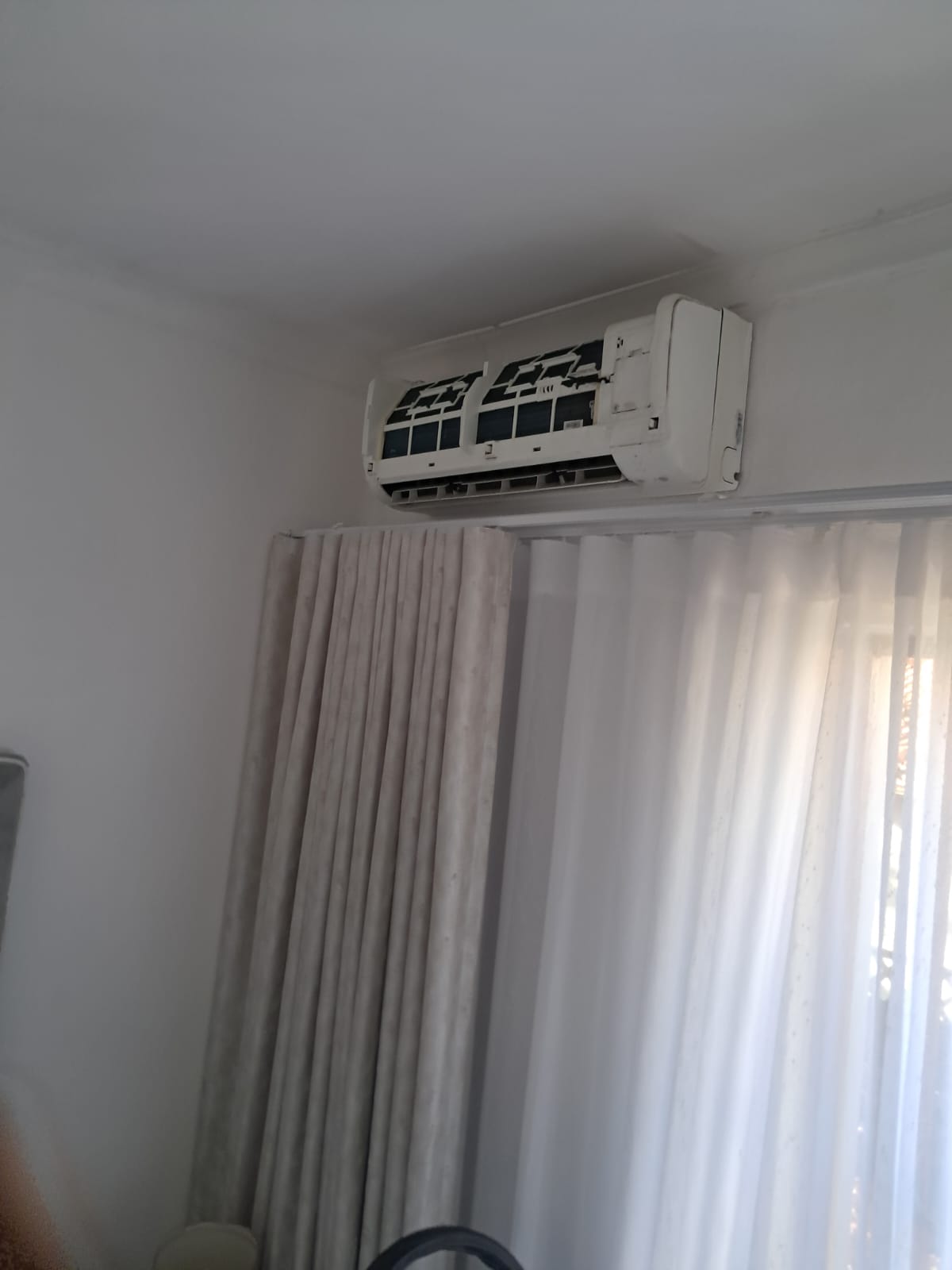
The aircon was running but not cooling the room. On units like this, mounted high on a sunny wall, the outdoor coil collects a season's worth of dust and the indoor filters and coil clog up, so the system simply can't move heat out of the house. We gave it a full service: filters washed, indoor coil and fan cleaned, drain line flushed, outdoor unit washed down, and the gas pressures and electrical parts checked. With the airflow restored, it was cooling properly again. A yearly service before summer stops this happening in the first heatwave.
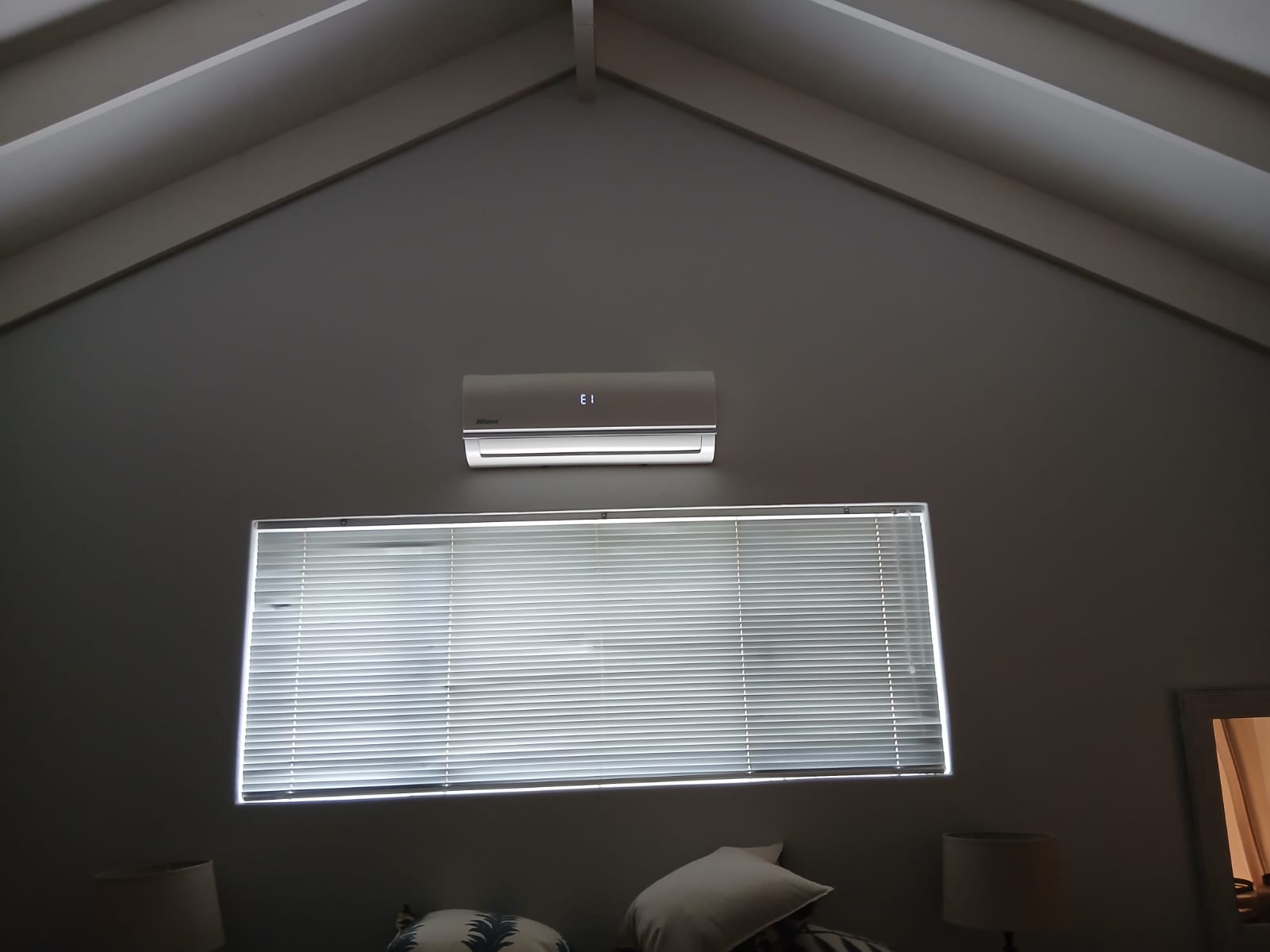
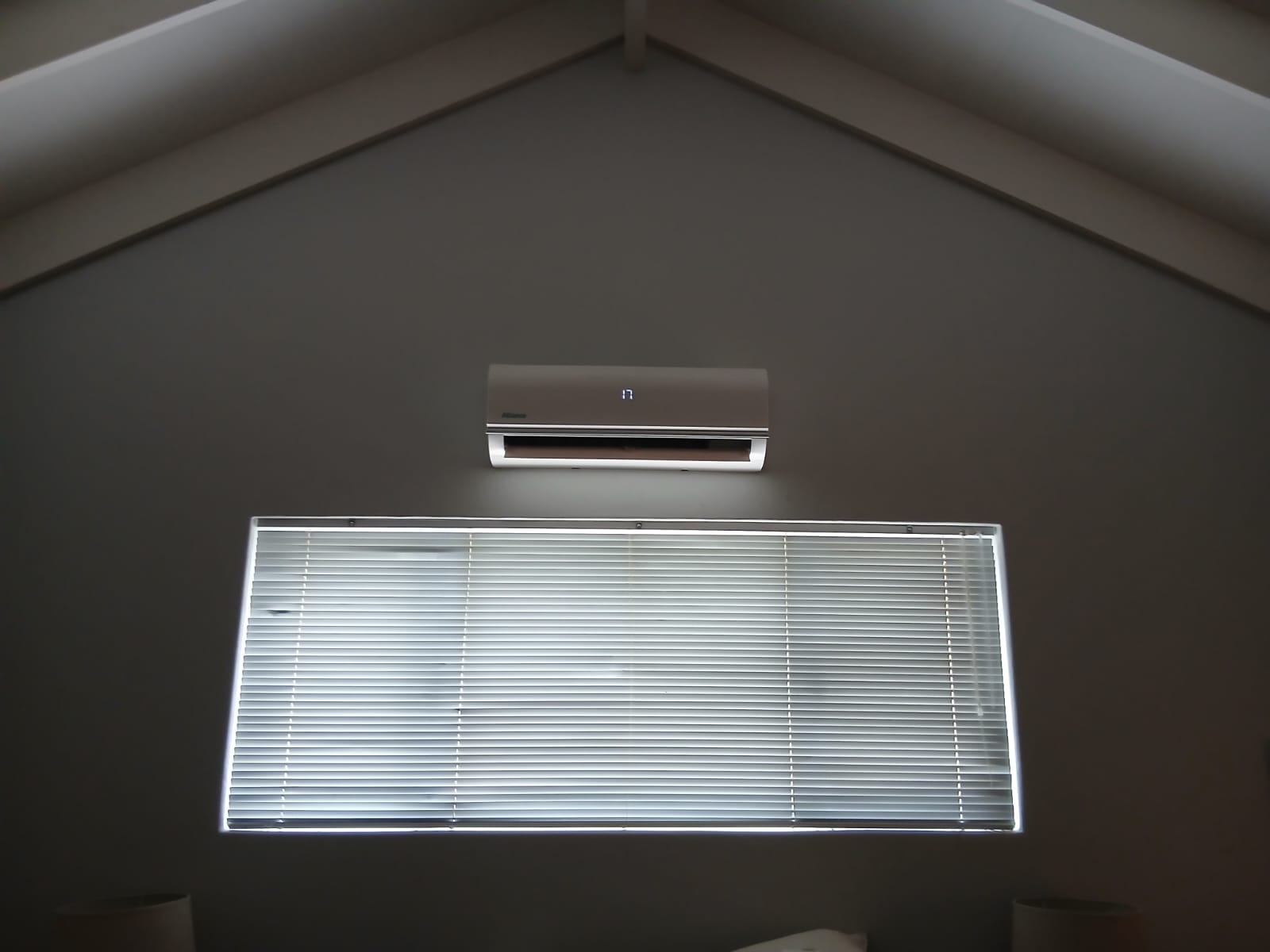
The aircon had stopped working and the indoor unit was showing E1. On Alliance splits, E1 can point to several faults: most often a communication problem between the indoor and outdoor units, but also the main control board, a temperature sensor or the wiring. Rather than guessing and swapping parts, we assessed it and found the communication cable itself was damaged, so the signal wasn't getting through. We replaced the cable, and the unit started working perfectly again, with no new boards and no new aircon. More on this code: what E1 means on an Alliance aircon.
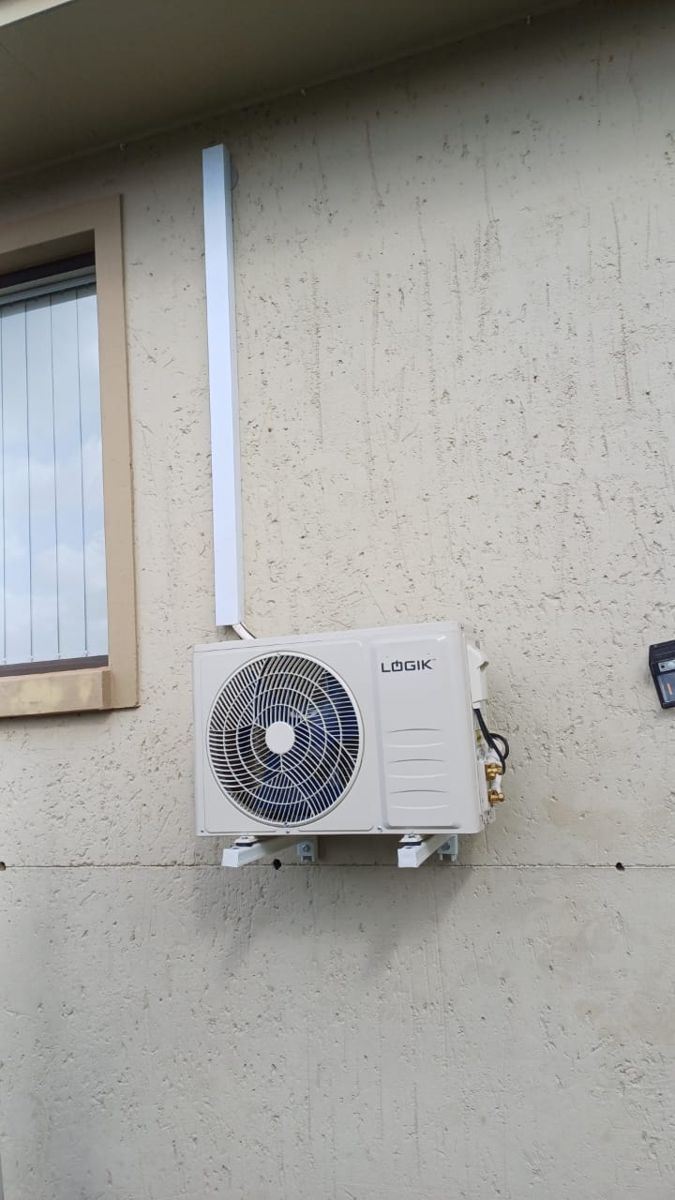
We installed this Logik split aircon at a home in Sandton. The outdoor unit is mounted on wall brackets, and the pipes and cable run up the wall in neat trunking to the indoor unit. A tidy installation like this protects the pipework, looks better, and makes future servicing easier. See also our aircon installation page.
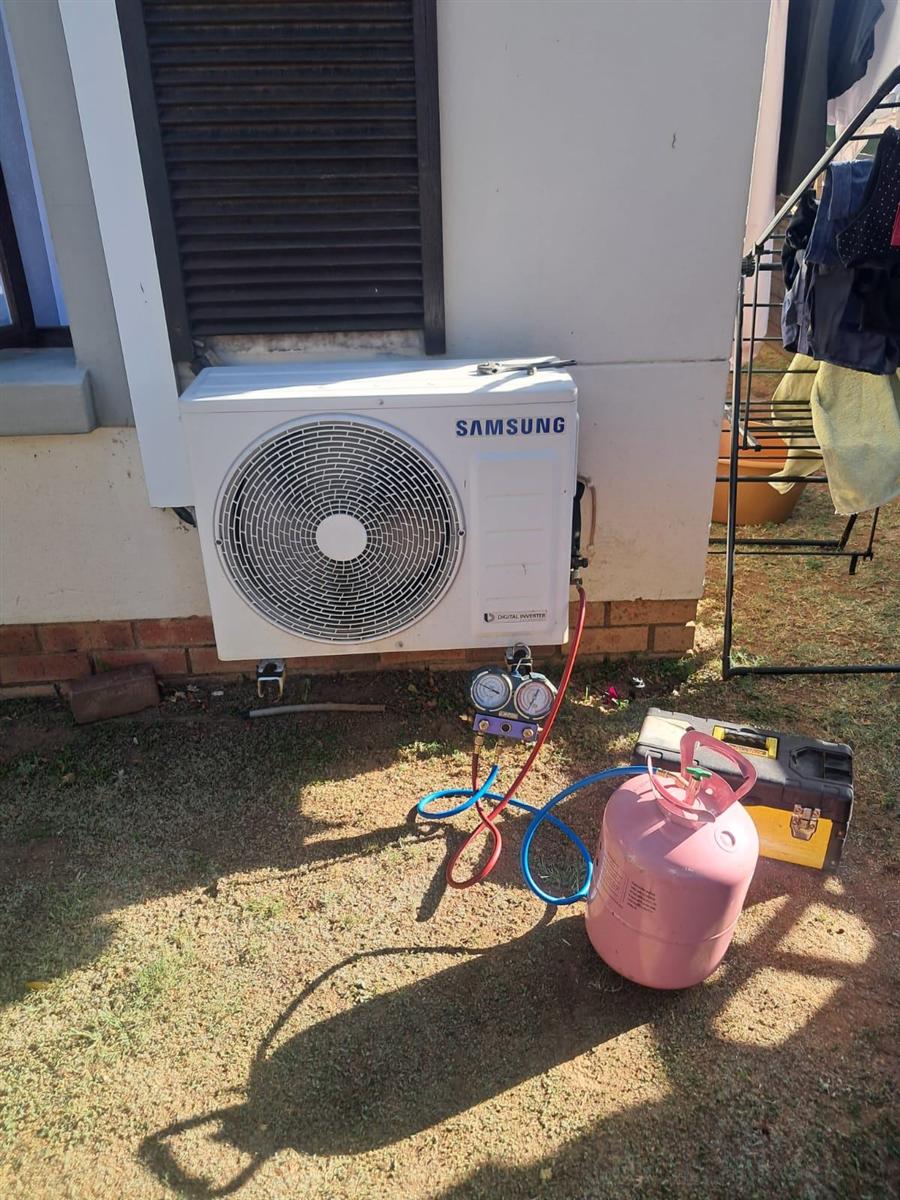
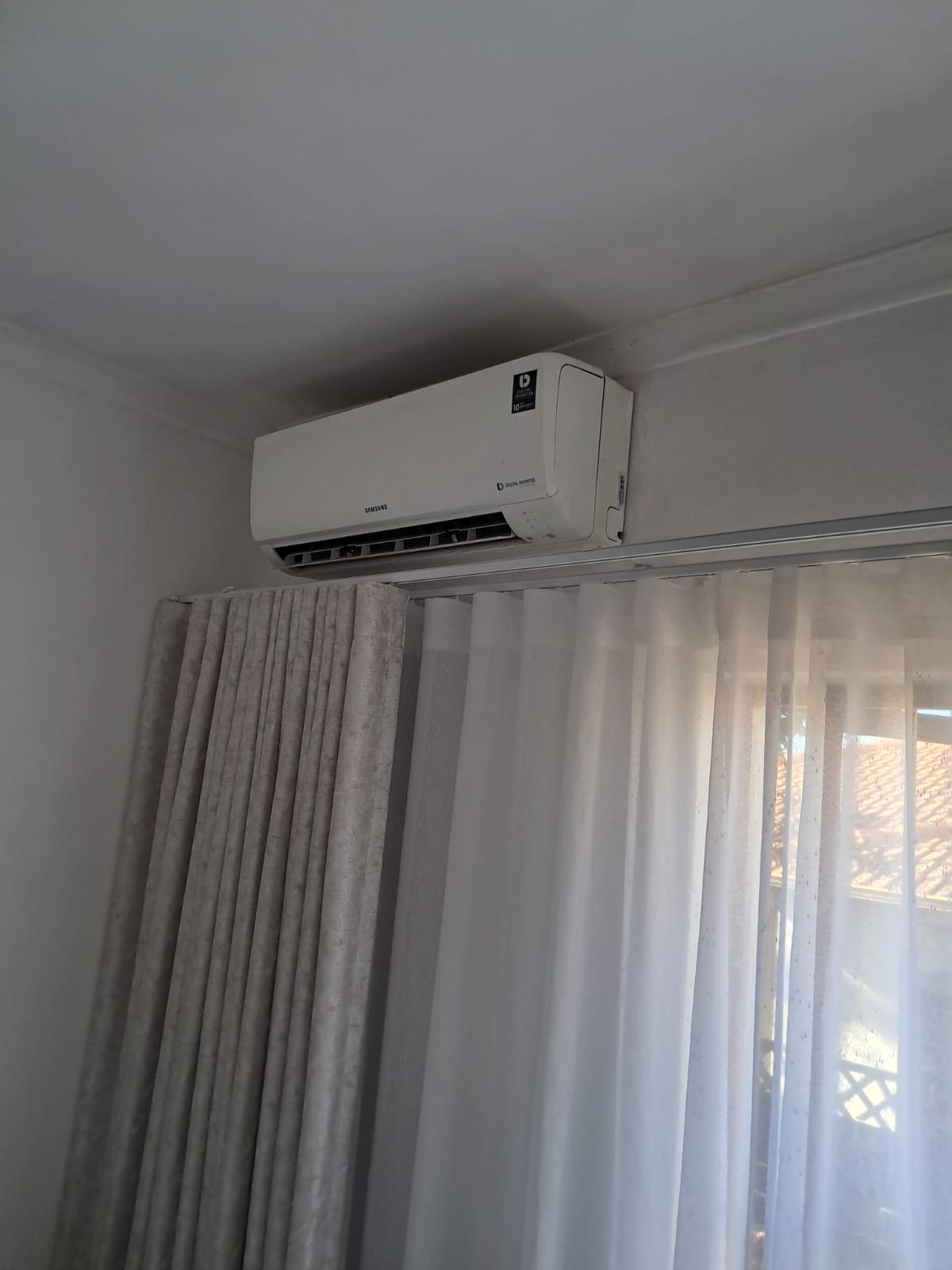
A full service and regas on a Samsung Digital Inverter split in a Sandton bedroom, ahead of the hot months. We opened the indoor unit and washed the filters, cleaned the indoor coil and fan, and flushed the drain line so it can't overflow onto the curtains below. Outside, we cleaned the outdoor unit and connected our gauges to check the gas pressures and regassed the system to the correct charge, then checked the electrical connections and tested the system on cooling. A service like this keeps an inverter aircon running efficiently, keeps the air clean, and catches small problems before they turn into a breakdown on the first heatwave. In Gauteng we recommend a service at least once a year, ideally before summer.
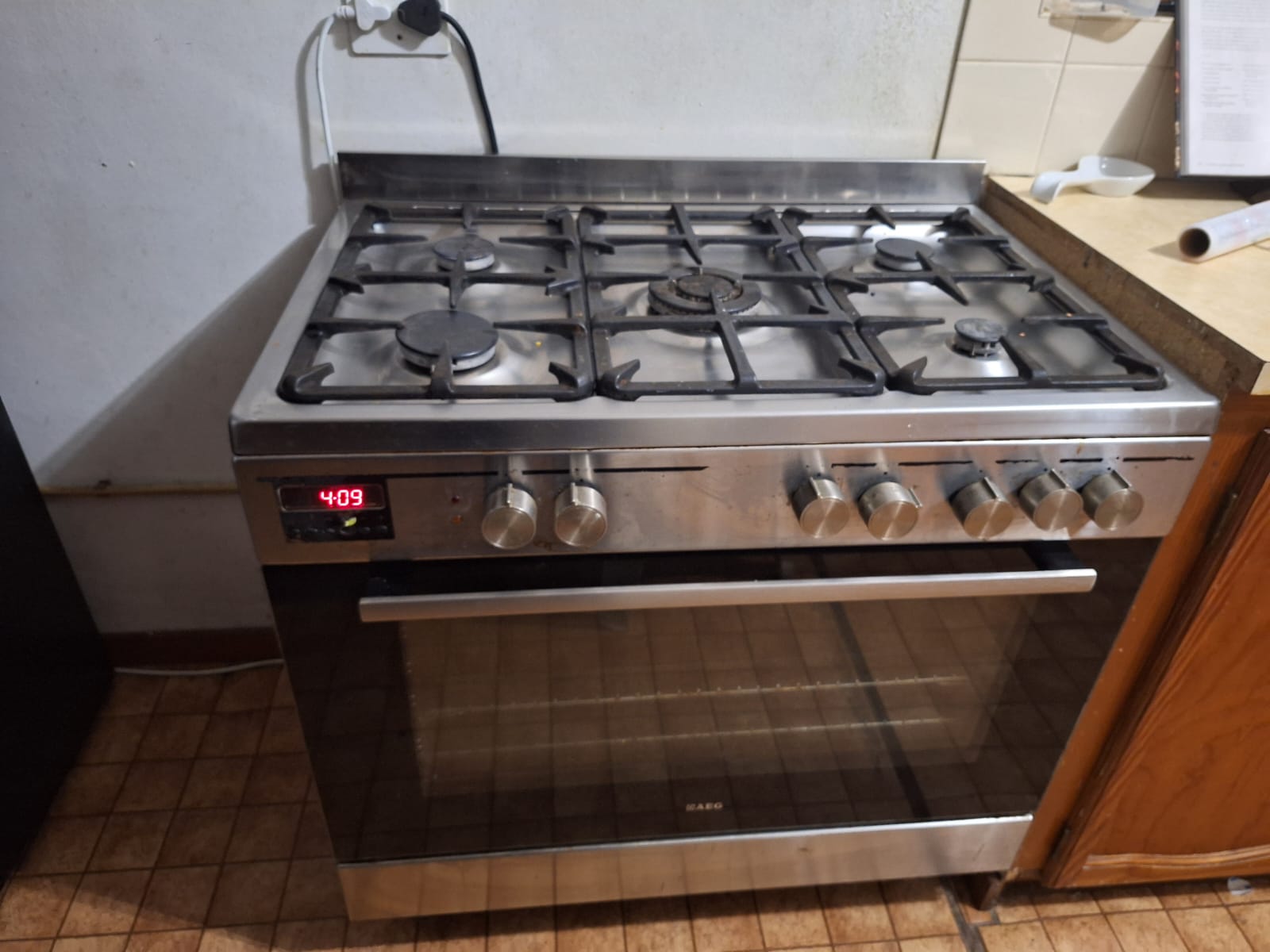
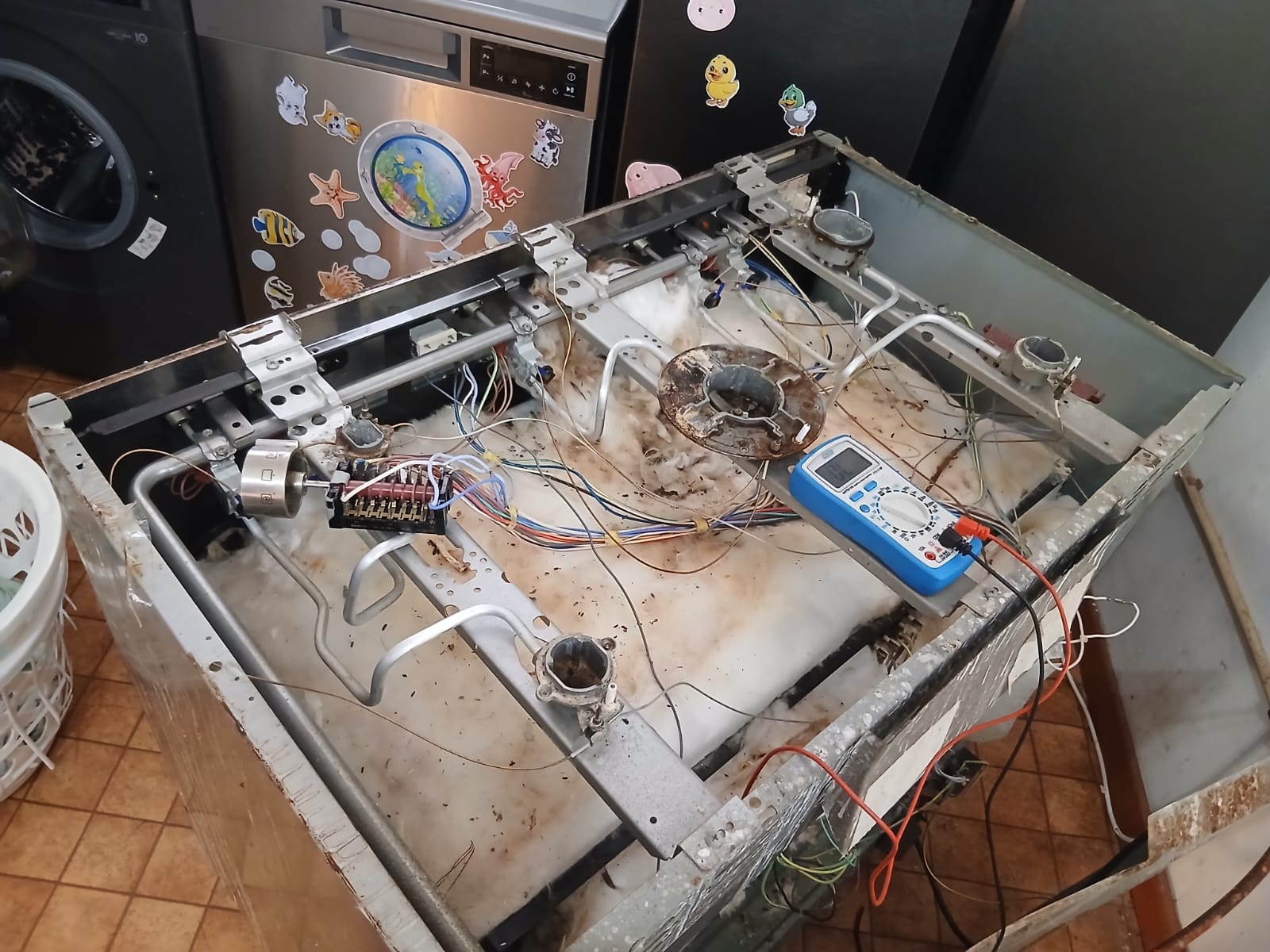
The customer was getting a mild electric shock from the cooker, and the electric oven had stopped working completely. When we opened it up, we found the cause: rats had got inside and chewed through the wiring, leaving bare copper touching the metal frame. That's what made the cooker live to the touch and cut power to the oven. We replaced the damaged wiring, checked the earth and every element and switch, and the oven was back working the same day. If you've had rats or mice in the kitchen, have your stove and fridge checked: chewed wires are a shock and fire risk.
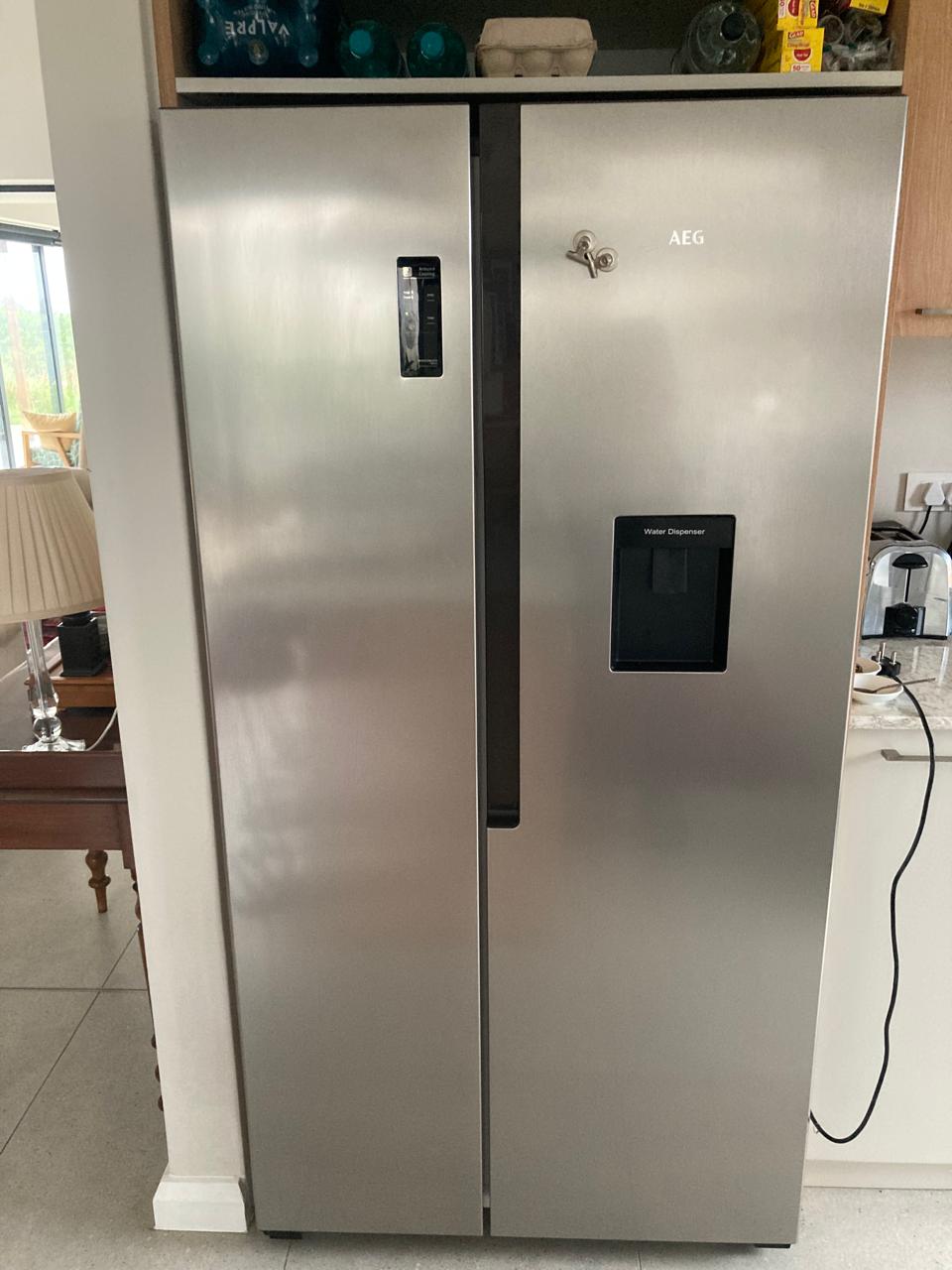
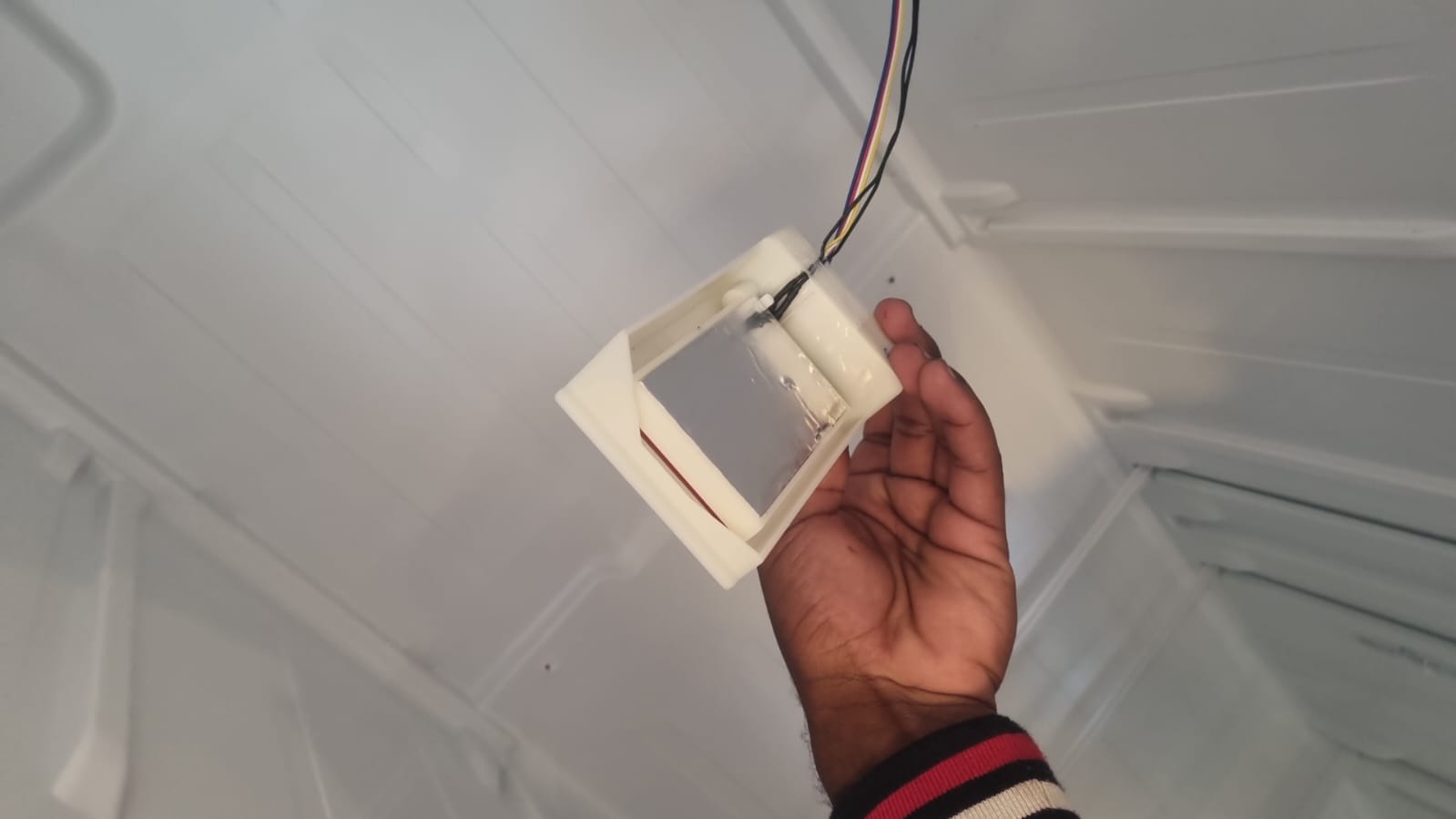
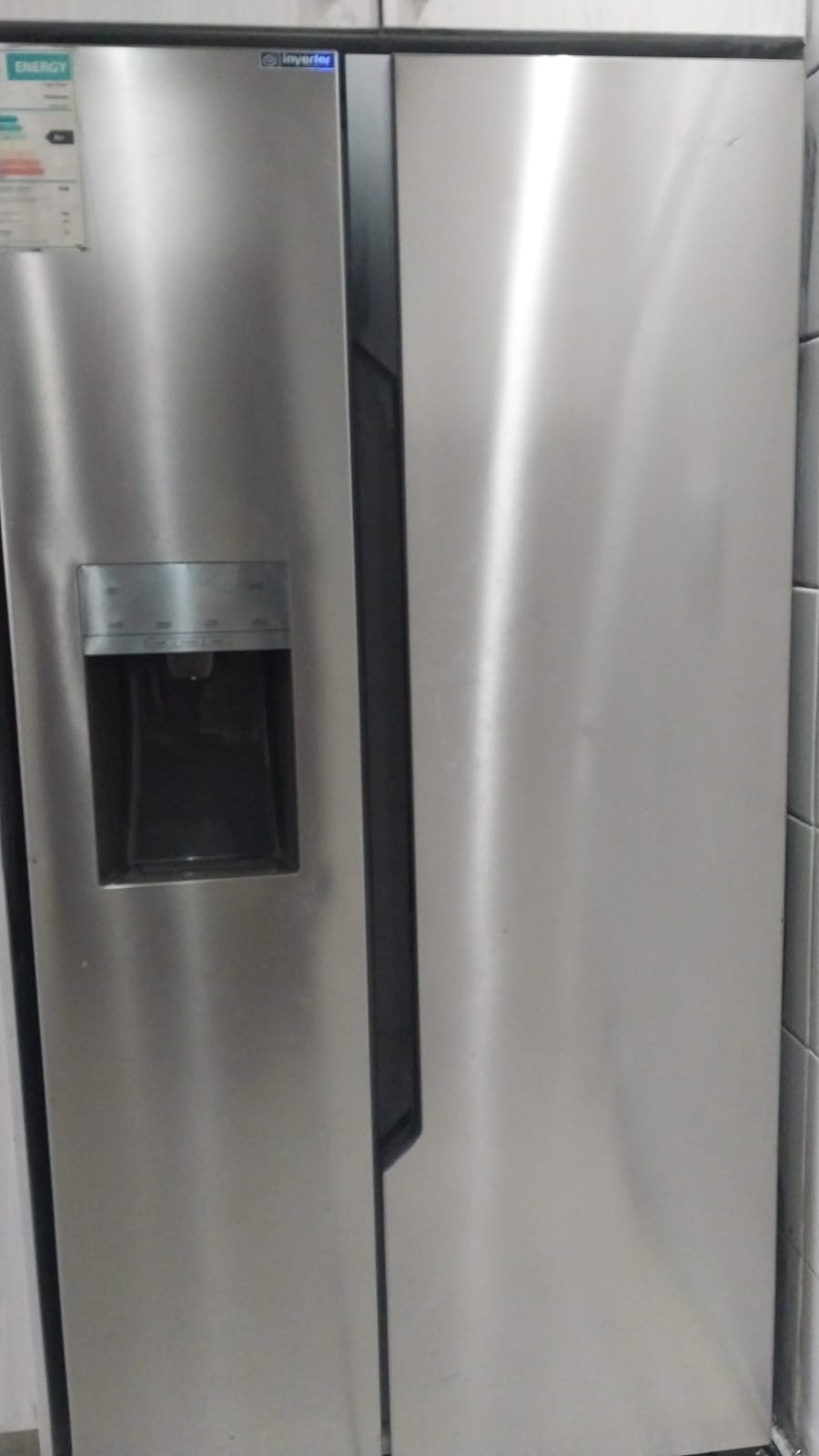
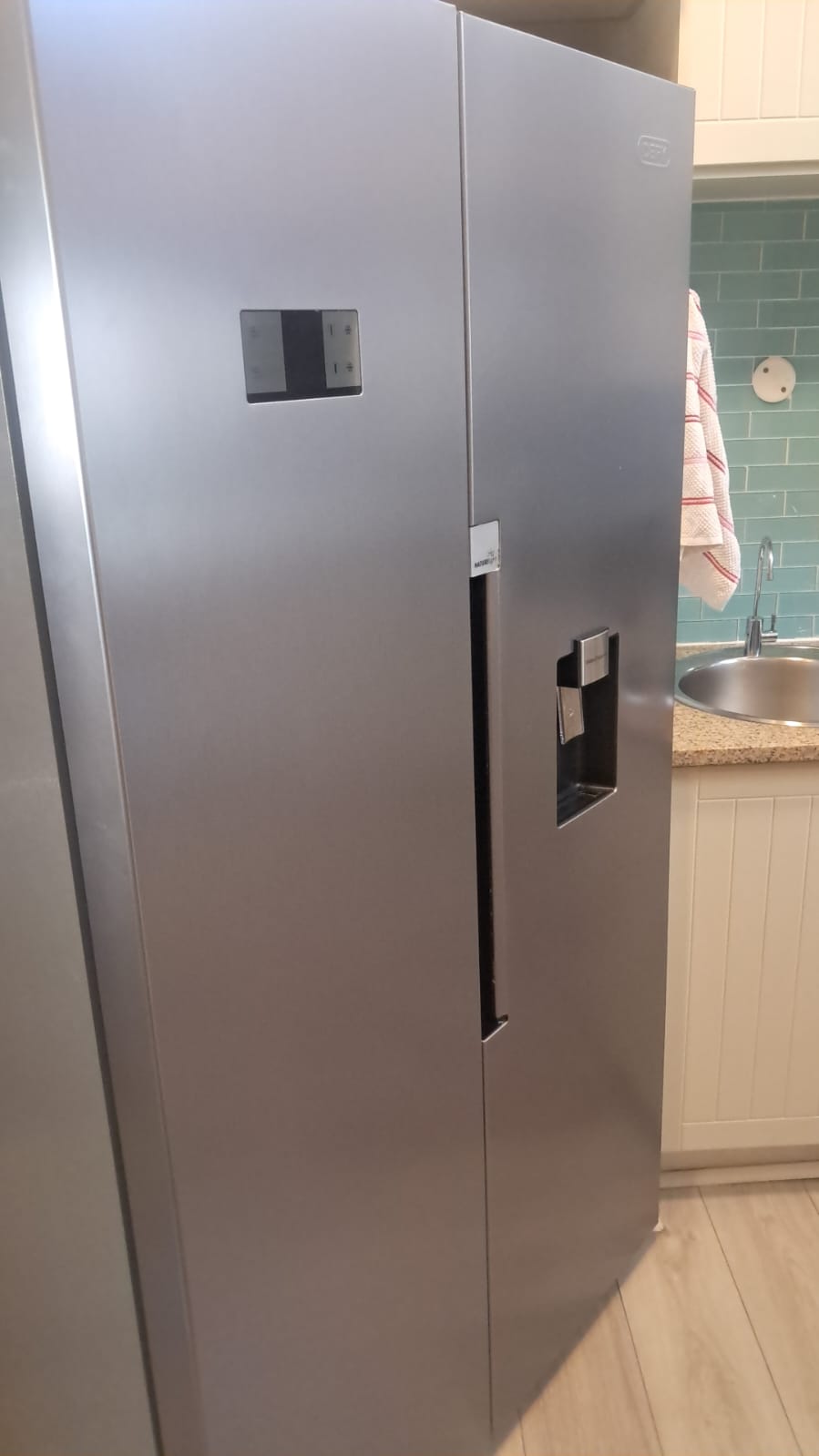
The freezer side was holding temperature, but the fridge side kept warming up. On a frost-free side-by-side like this, the fridge doesn't have its own cooling. Cold air is fed across from the freezer through a motorised air damper. We tested the damper and found it faulty, so it wasn't letting cold air through to the fridge compartment. That's why one side worked and the other didn't. We replaced the damper, and the fridge side came back down to temperature.
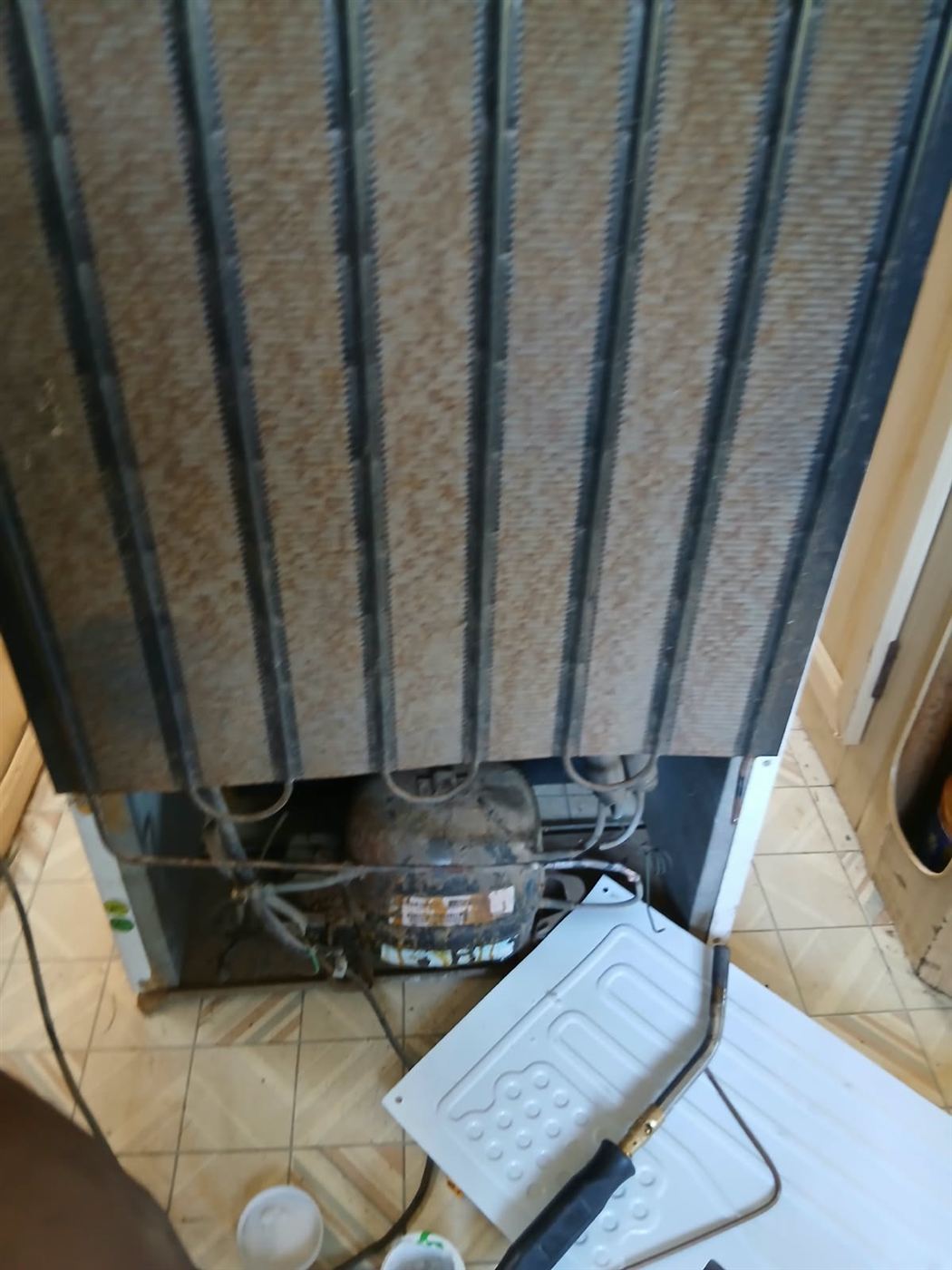
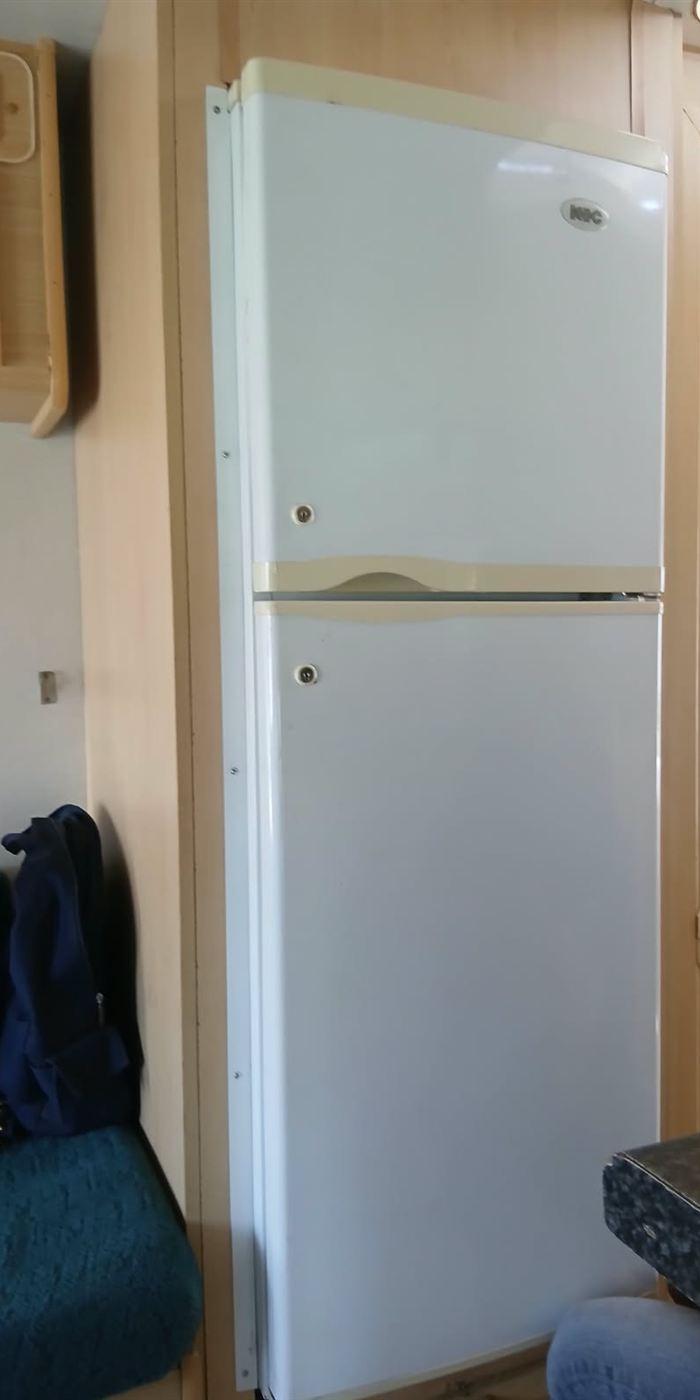
This KIC fridge-freezer is built into a caravan. We found a leak in the sealed gas system, repaired it by brazing the pipework, and then regassed the system to the correct charge. Fixing the leak first matters: regassing without repairing the leak just means the gas escapes again. Caravan fridges also get shaken on the road, which can stress pipe joints over time, so a cooling problem after a trip is worth having checked early.
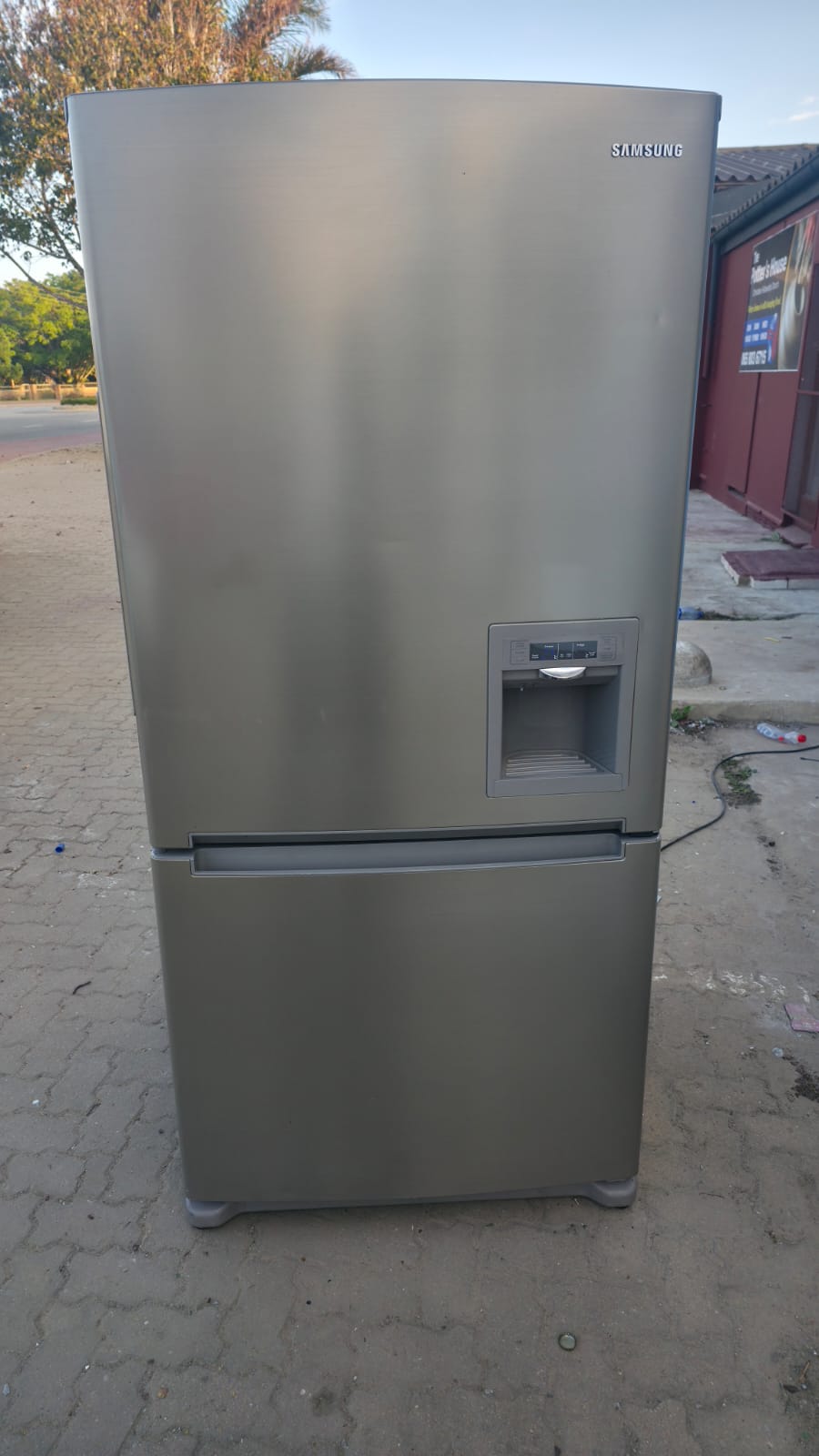
This Samsung fridge would run for about an hour, then stop when the compressor switched off, and it wouldn't start again unless the customer switched it off and on at the wall. We took it into our workshop to diagnose it properly. The fault was a failed thermal fuse in the defrost system. With that fuse open, the defrost system couldn't do its job, and the fridge got stuck instead of restarting on its own. We replaced the thermal fuse and the fridge worked very well again. Tip: a fridge that only comes back to life after a power reset usually has a defrost or control fault, not a dead compressor, so it's worth diagnosing before replacing the fridge.
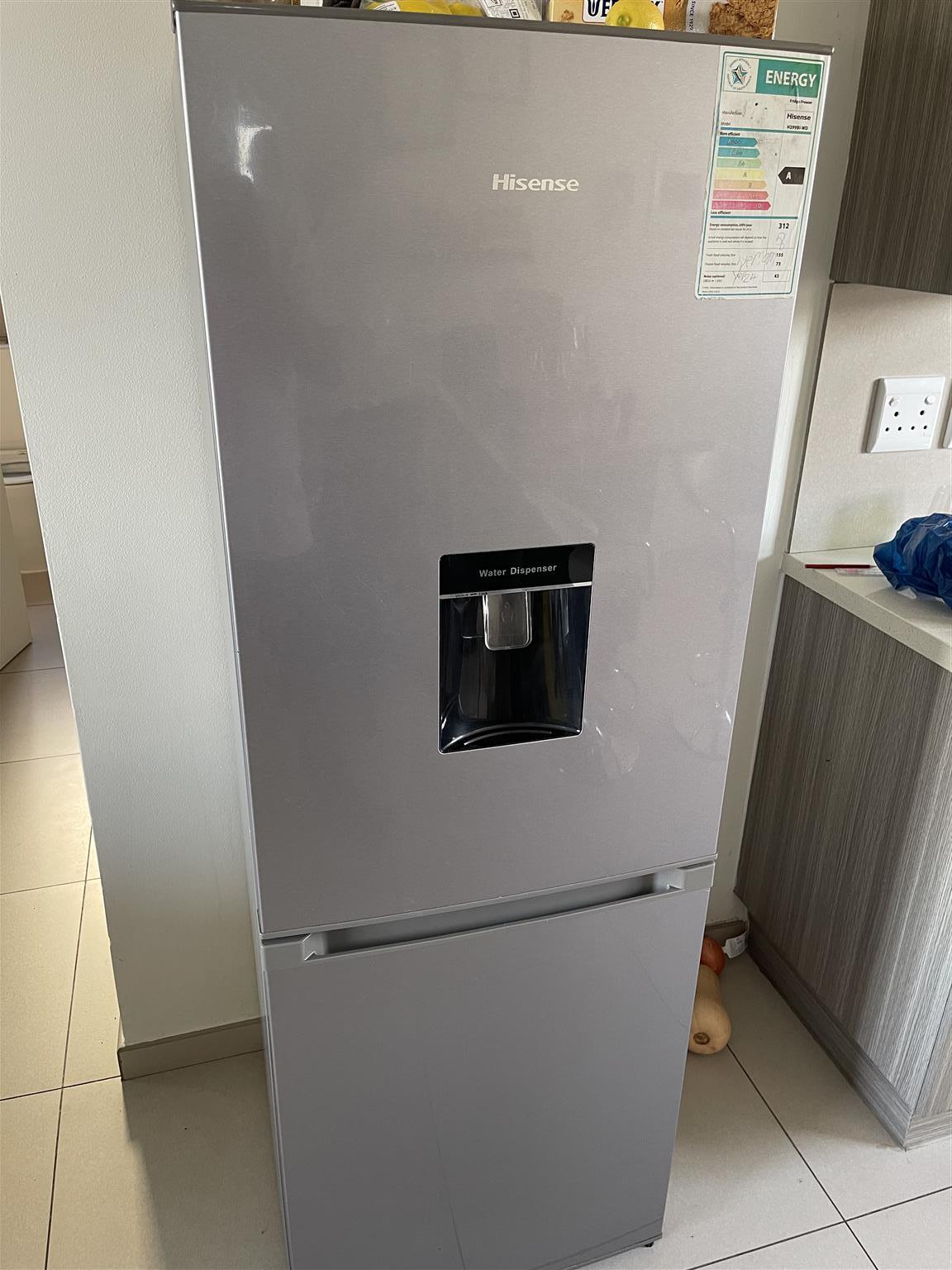
The customer's Hisense fridge was freezing everything in the fridge section. The temperature setting was on a normal position, so we tested the thermostat and found it had failed: it was no longer switching the compressor off once the fridge reached temperature, so the fridge kept cooling non-stop. We replaced the thermostat and tested the fridge on a normal setting. Tip: if your fridge suddenly starts freezing food, check the setting first. If it's on a normal setting, a faulty thermostat or temperature sensor is the usual cause.
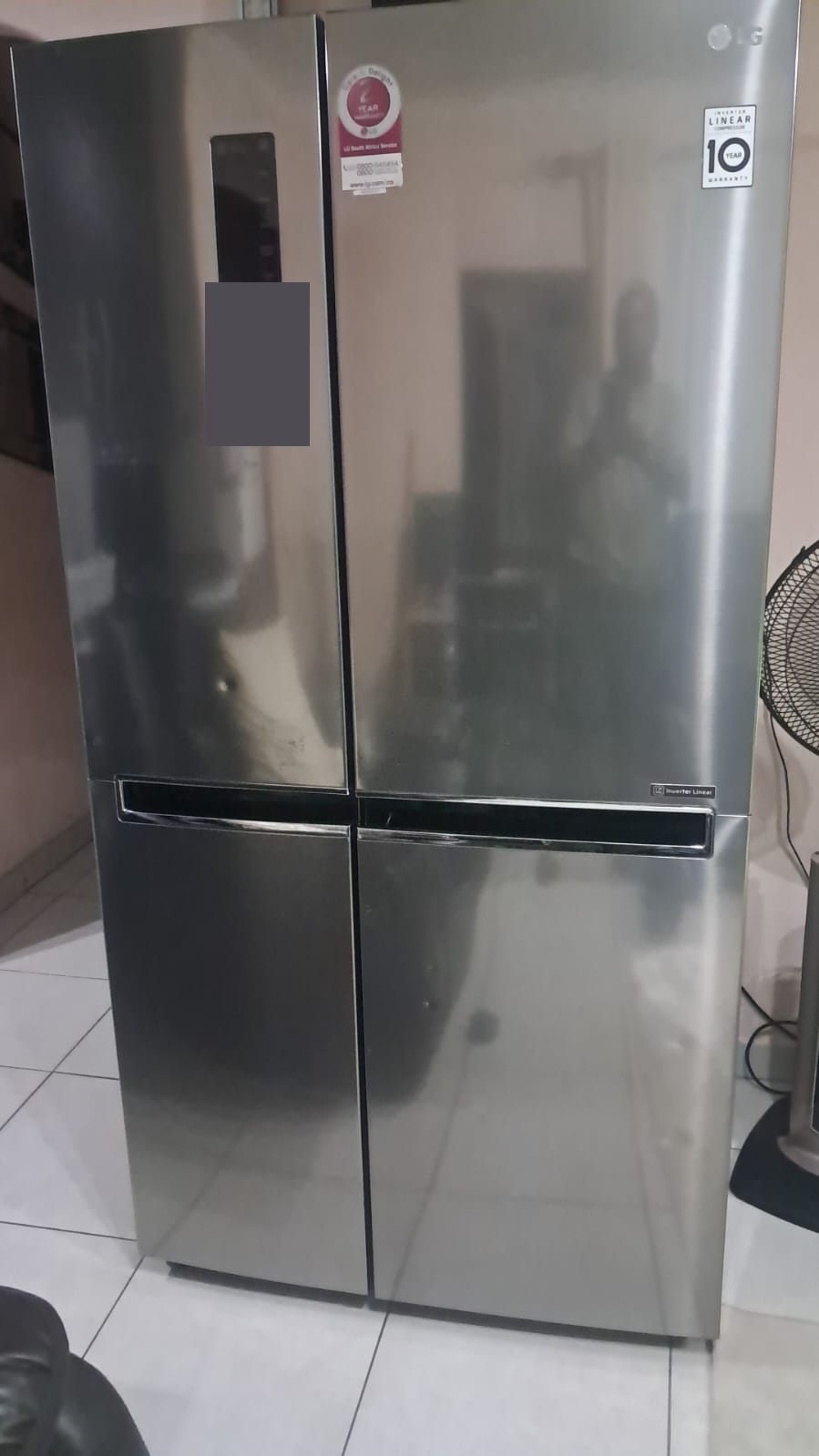
This LG side-by-side with an Inverter Linear compressor needed a regas. We checked the sealed system, regassed it to the correct charge, and made sure both the fridge and freezer sides came back down to temperature before we left. LG inverter fridges are well worth keeping going, and the compressor on this model carries a long manufacturer warranty.
The customer's Hisense side-by-side wasn't cooling. Our diagnosis showed the system was low on refrigerant gas, so we regassed it to the correct charge and the fridge and freezer came back down to temperature. Tip: a fridge doesn't use up its gas, so low gas means there's a leak somewhere. If a fridge needs regassing again, the leak needs to be found and repaired.
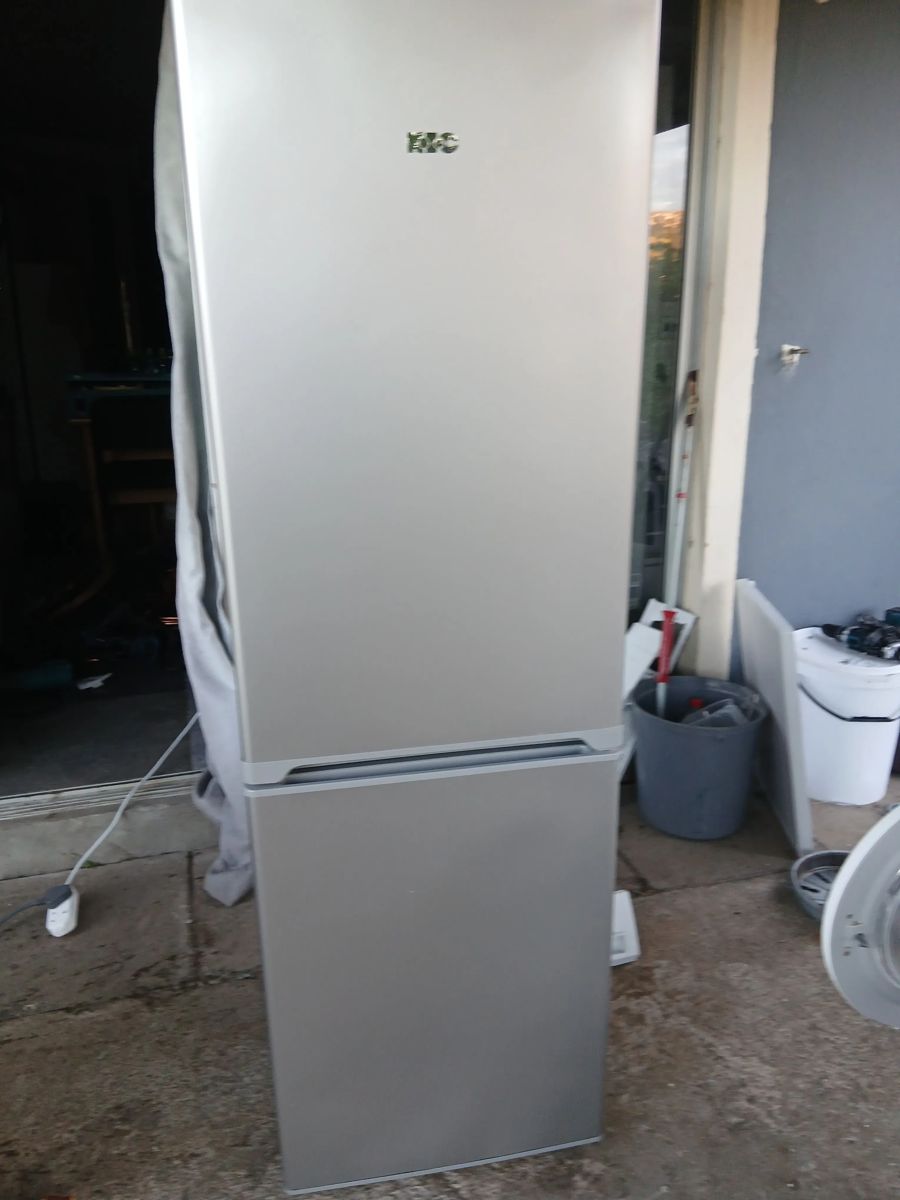
The KIC fridge-freezer stopped cooling after a power surge. Our tests showed the surge had damaged the compressor, the pump that circulates the gas. We replaced the compressor and the fridge and freezer are back to temperature. Surge damage like this is often covered by home insurance, and we can provide the technical report your insurer asks for.
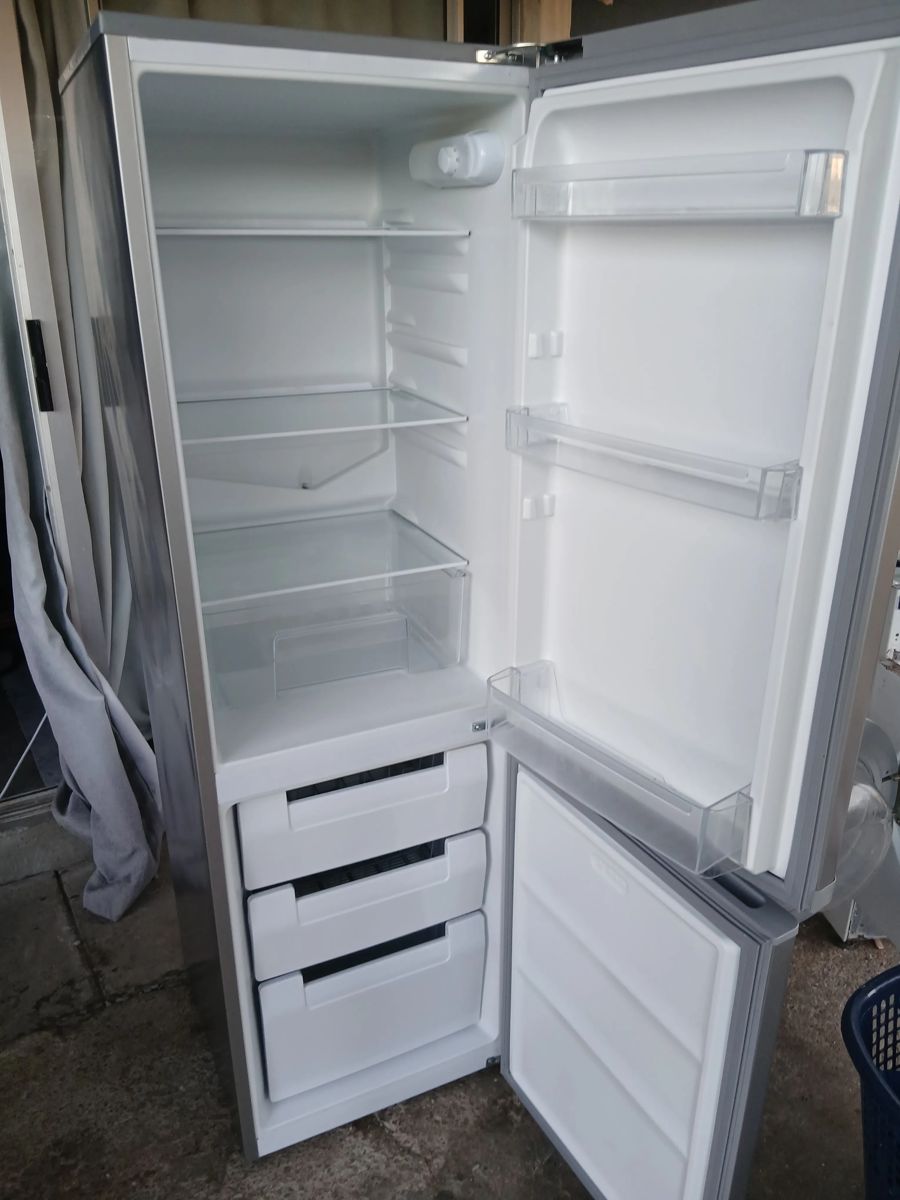
The bar fridge had stopped cooling. While defrosting it, the owner had chipped at the ice with a knife and punctured the cold plate, the metal panel that carries the refrigerant gas. The gas leaked out through the hole, so the fridge could no longer get cold. We installed a new cold plate and the fridge is cooling again. Tip: never use a knife or sharp tool on ice inside a fridge or freezer. Switch it off, leave the door open with a towel underneath, and let the ice melt on its own. A bowl of warm water inside speeds it up.
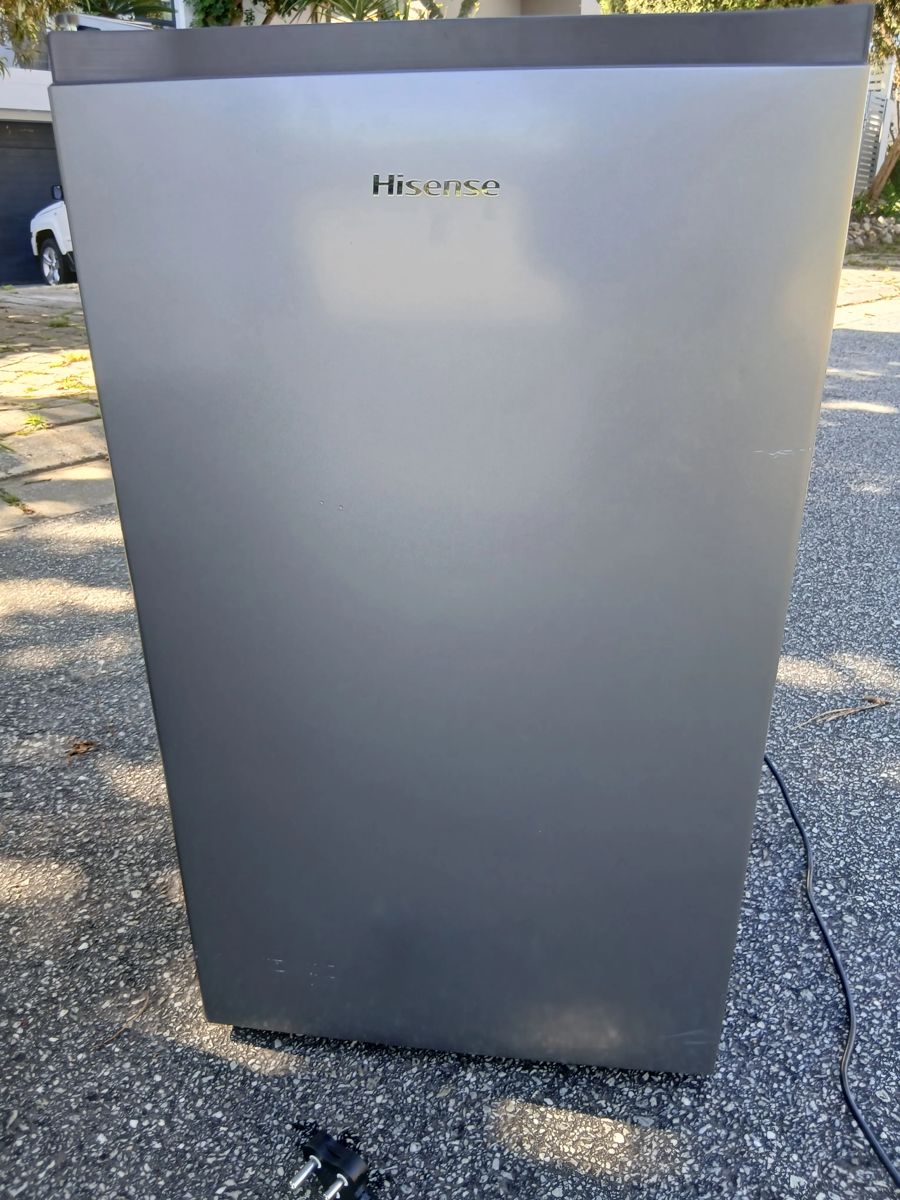
The owner called because the fridge had started making a noise it never used to make. We traced it to the fan: one of the blades had broken, so the fan was running off balance and catching as it turned. That's the kind of noise that gets worse, and a damaged fan can stop moving cold air altogether. We replaced the broken fan blade, and the fridge was back to running quietly the same day.
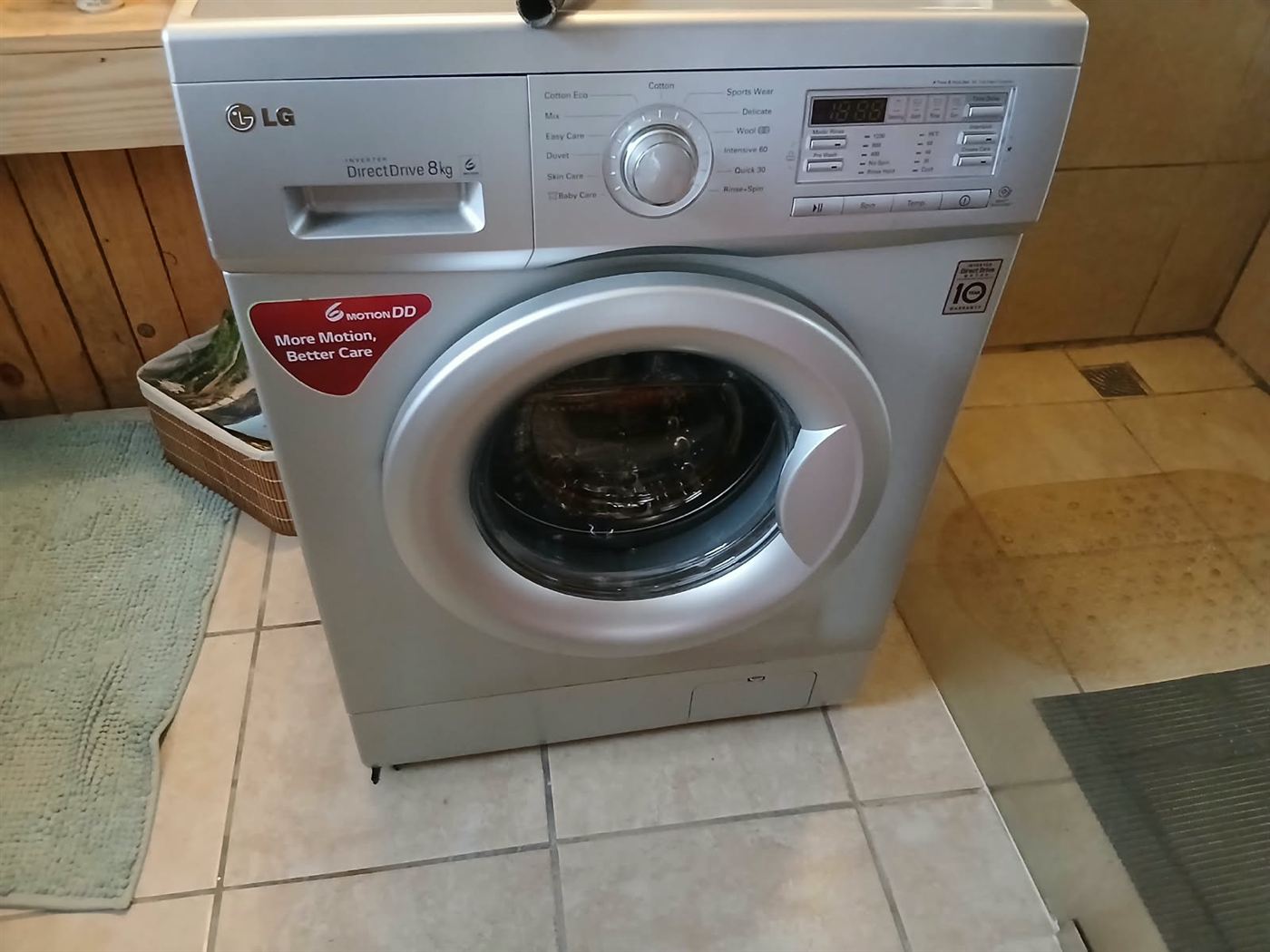
The machine was washing but wouldn't spin. LG direct-drive machines have no belt: the motor is mounted straight onto the drum, and the control board reads a rotor position sensor to know how to drive it. We tested the motor, the rotor position sensor and the stator, and found the motor itself had failed. We replaced the complete direct-drive motor, then tested the machine on a spin cycle. Tip: if your washing machine washes but won't spin, check for an unbalanced load or a blocked drain filter first. If those are fine, it needs testing.
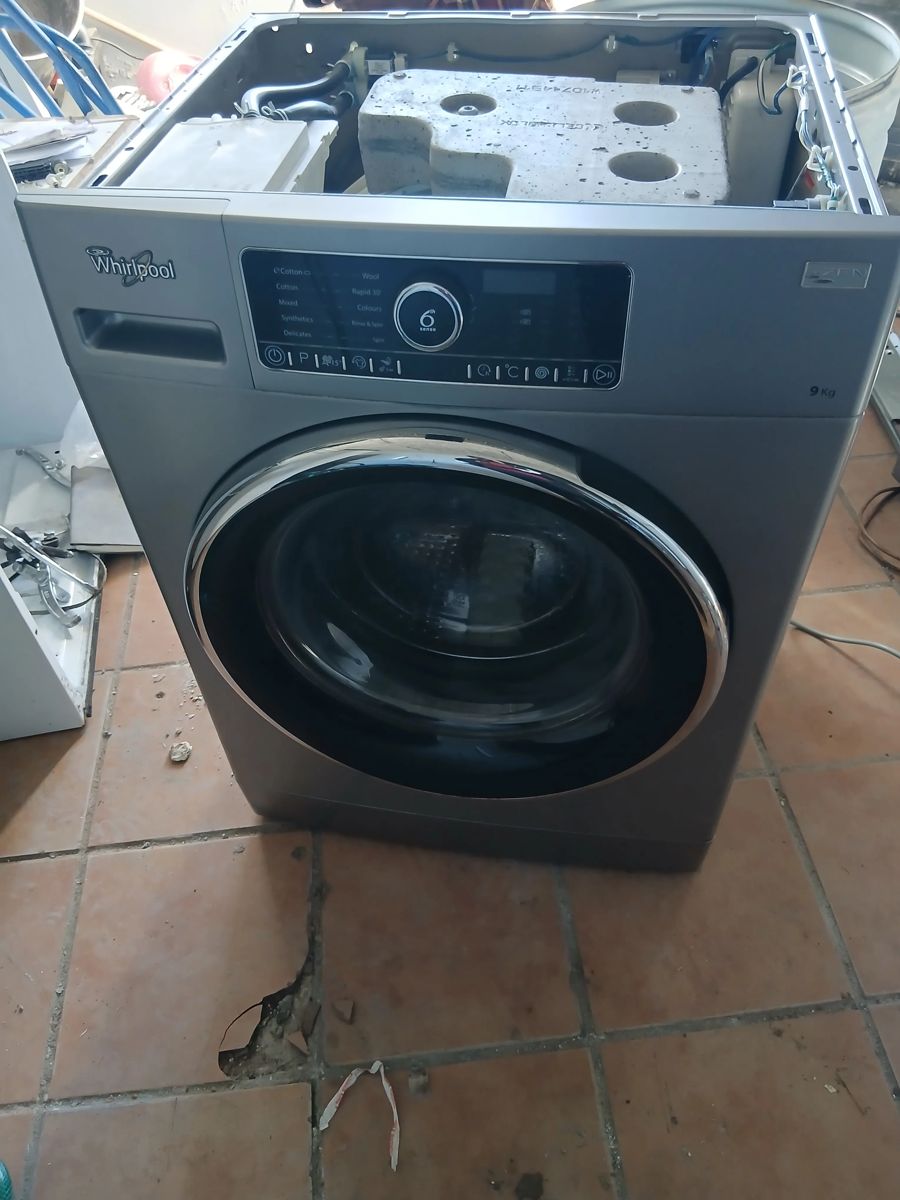
This Whirlpool 6th Sense front loader was completely dead: no lights, no display, nothing when the power button was pressed. We tested the supply, the door interlock and the wiring, and traced the fault to the main control board (PCB). We fitted a new PCB and the machine started working again. Tip: if a washing machine won't switch on at all, check the plug and socket with another appliance first. If the socket works, a failed control board is a common cause, especially after power cuts.
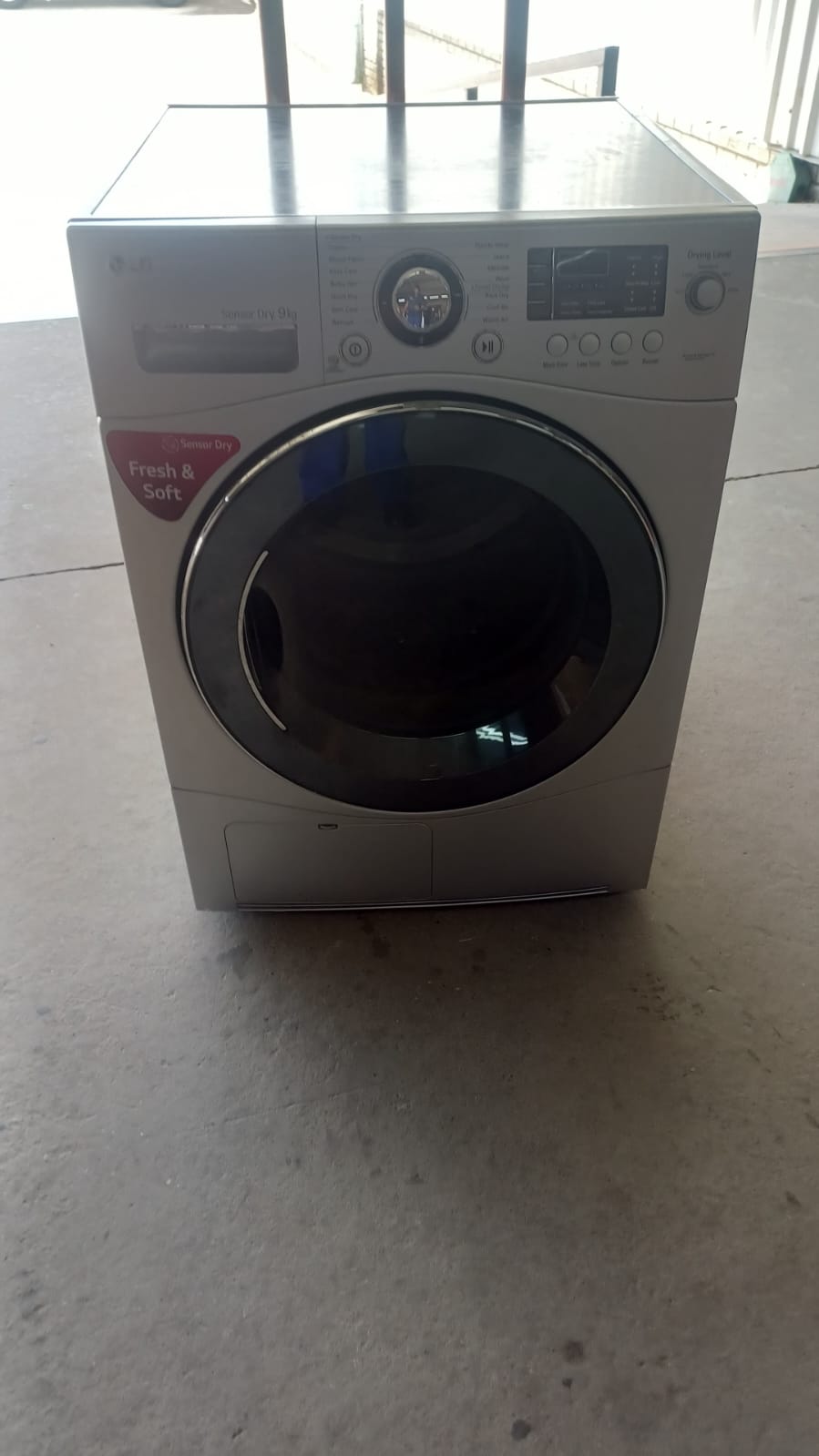
This LG Sensor Dry had become noisy as the drum turned. The drum sits on rollers at the back, and their bearings had worn out from years of use. We replaced the worn roller bearings, and the drum turns smoothly and quietly again. A rumbling or squealing dryer is usually this, and it's far cheaper to fix early than after the worn parts damage the drum or belt.
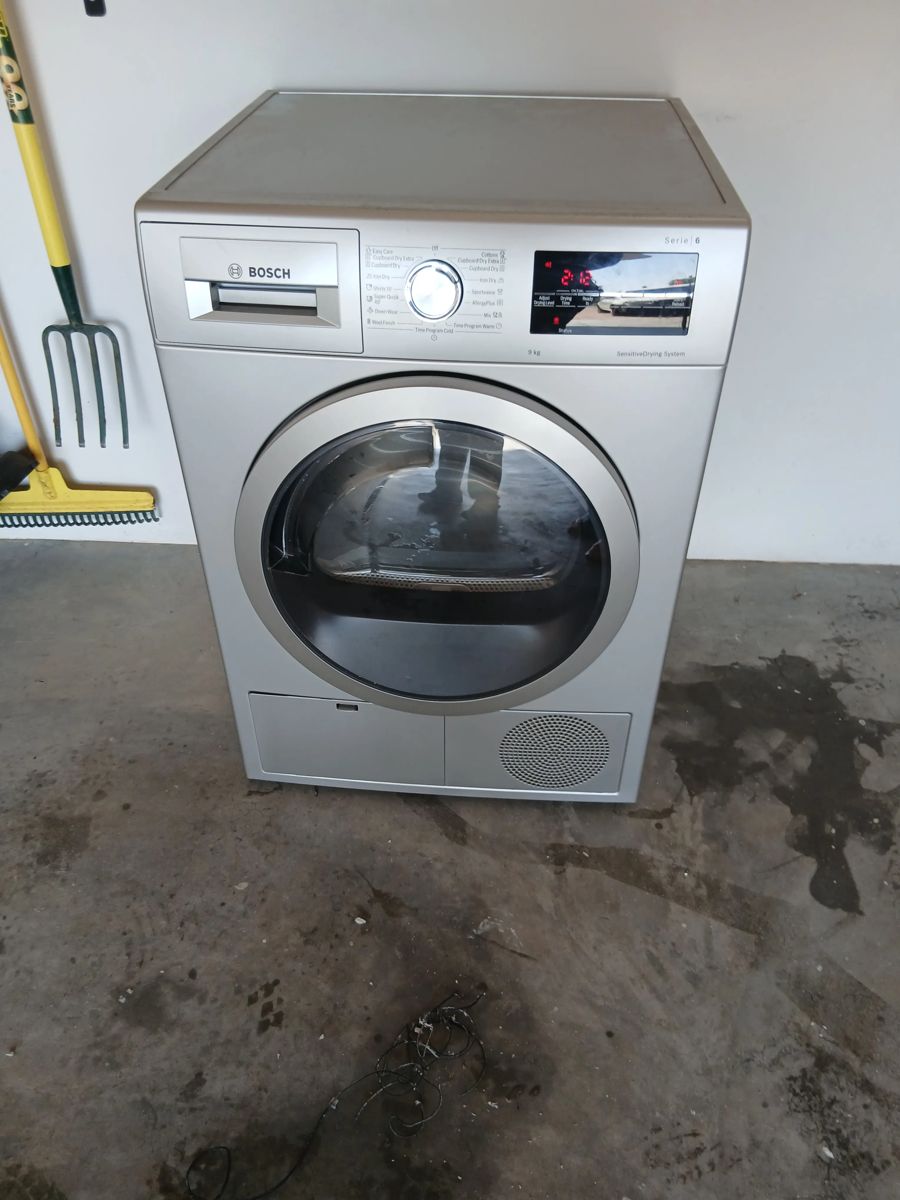
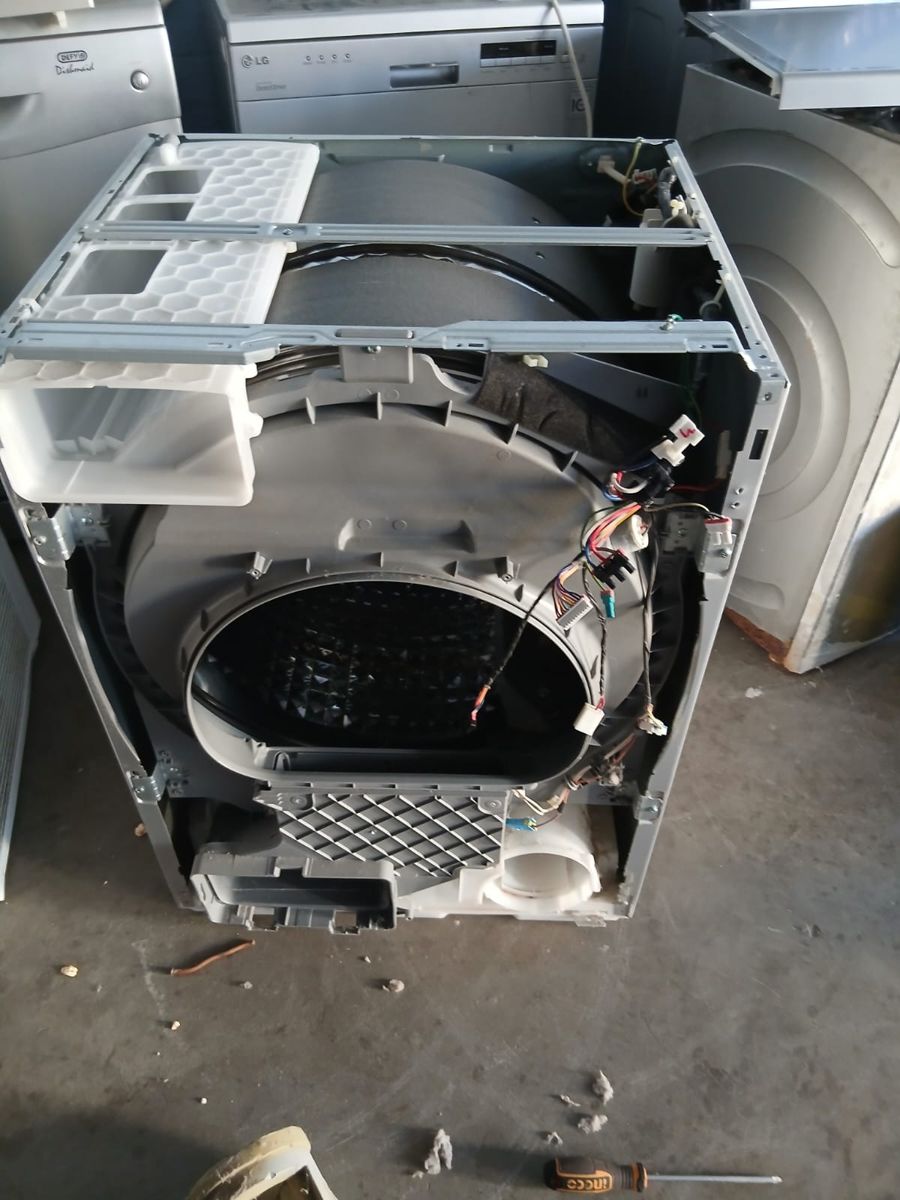
We repaired this Bosch Serie 6 heat-pump tumble dryer at a home in Wilgeheuwel. It was opened up on site for diagnosis and repair.
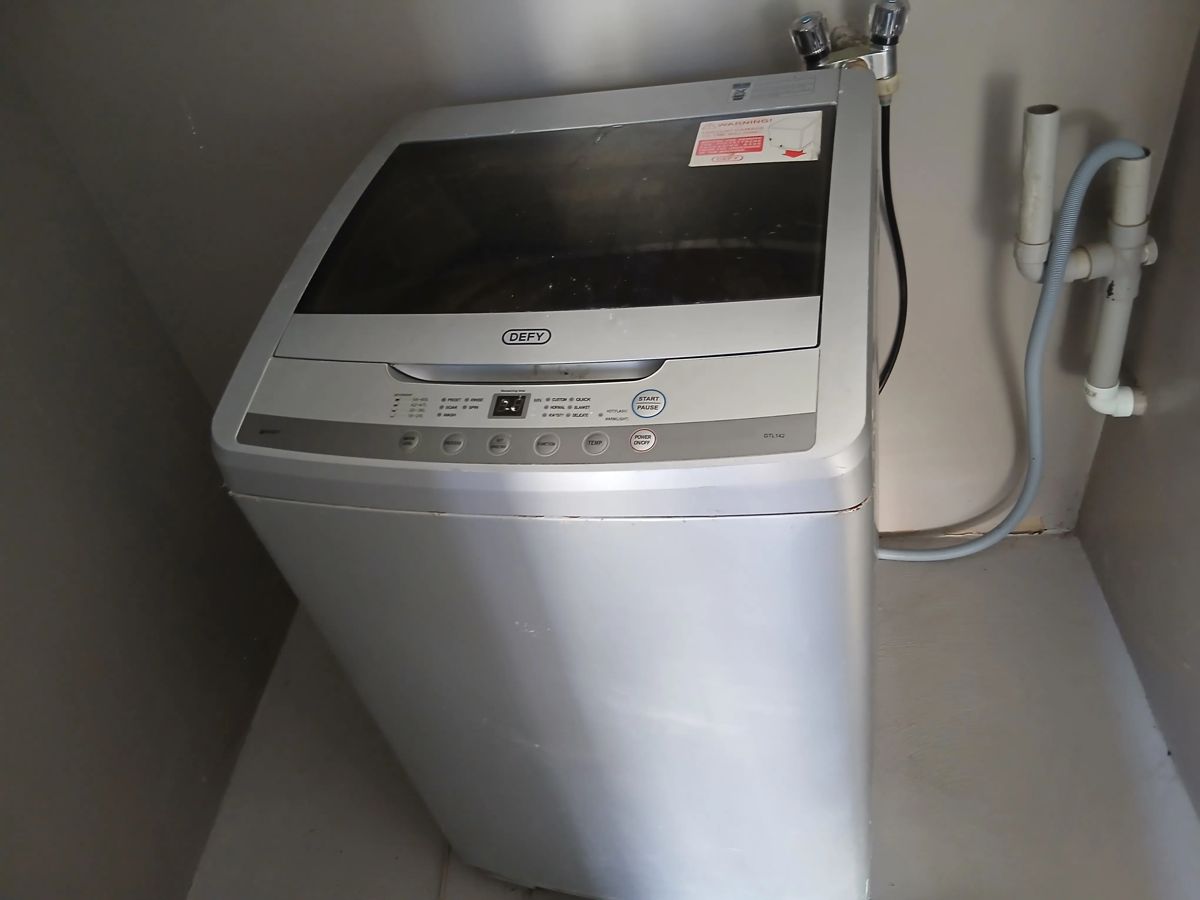
We repaired this Defy DTL142 top-loader washing machine in a home laundry in Wilgeheuwel.
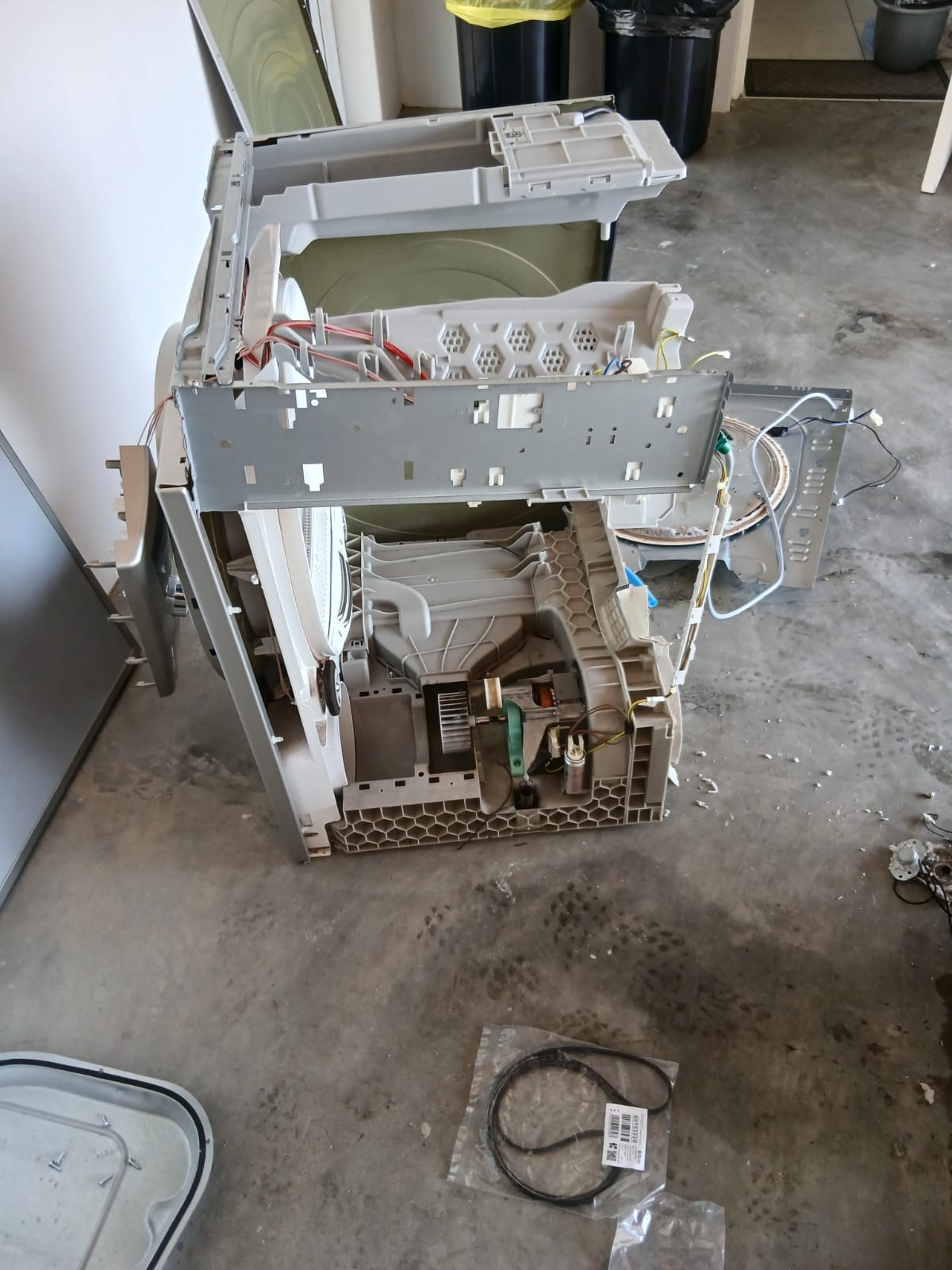
The dryer had started making a loud, unusual noise. When we opened it up, we found the drive belt had broken: part of it was hanging loose, and the broken piece was slapping against the inside of the machine as the motor turned. We stripped the dryer down, removed the old belt, fitted a new one, put everything back together and tested it through a cycle. It ran smoothly and quietly again, and the customer was very happy. A new thumping or slapping noise from a dryer is often a worn or broken belt. It's far cheaper to fix before it damages anything else.
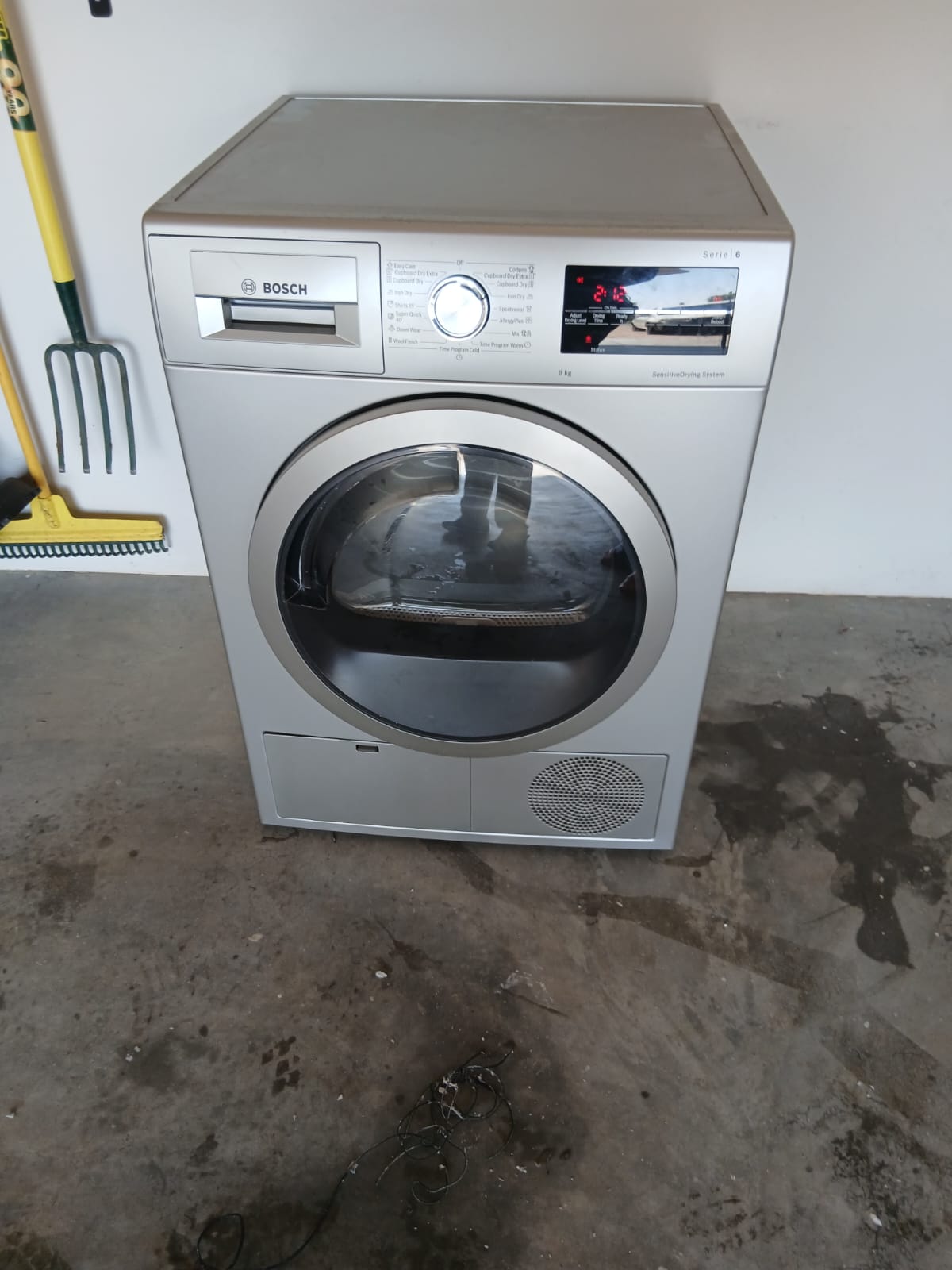
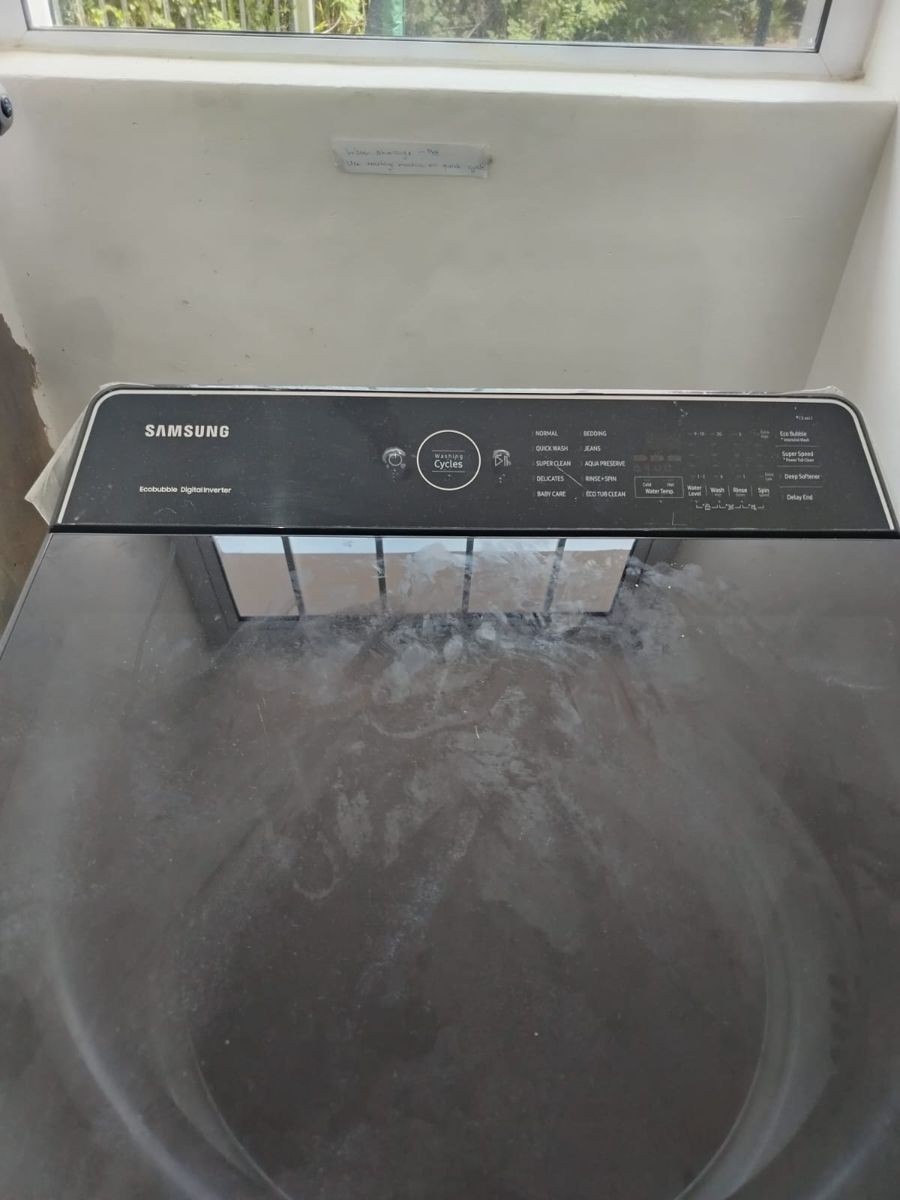
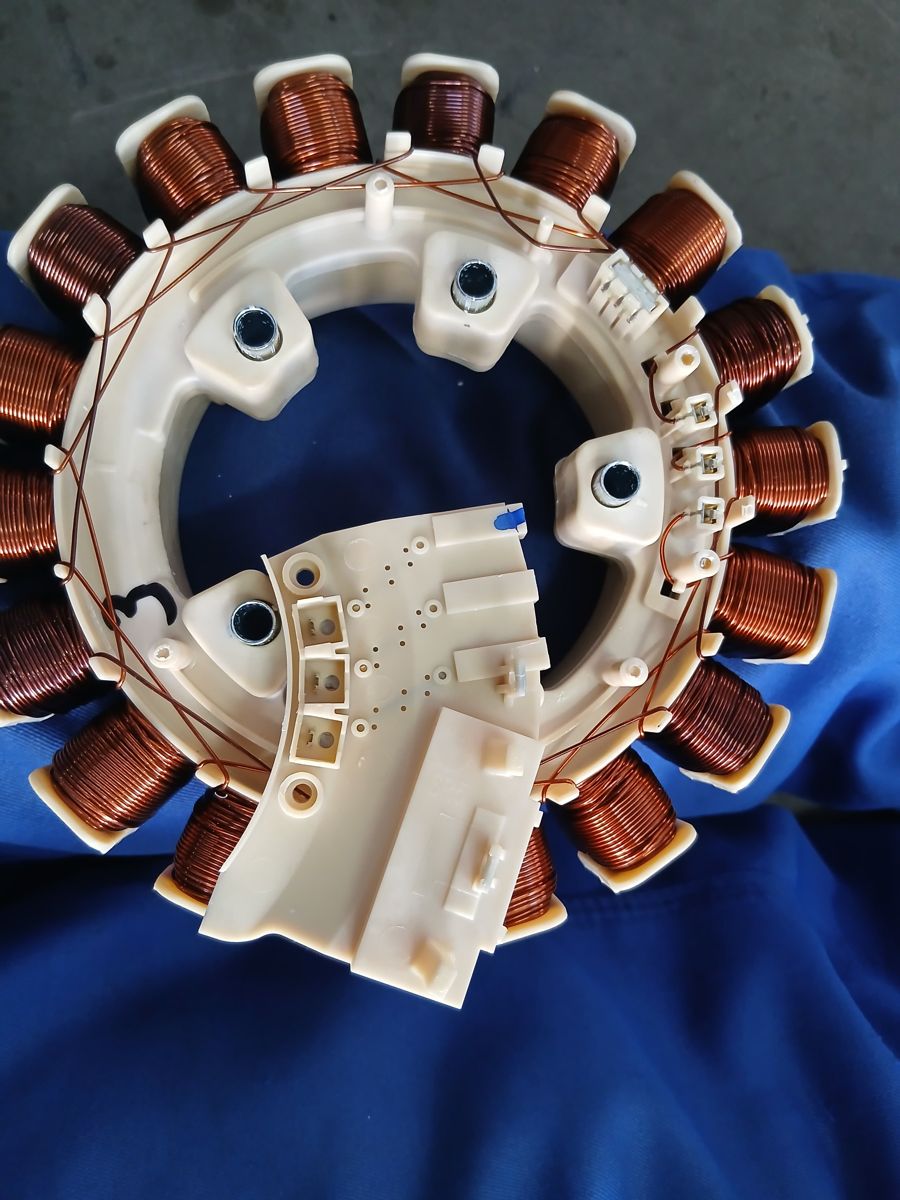
We repaired this Samsung EcoBubble top loader with a Digital Inverter motor at a home in Pretoria. The photo shows the motor stator, the ring of copper windings that drives the drum on inverter machines.
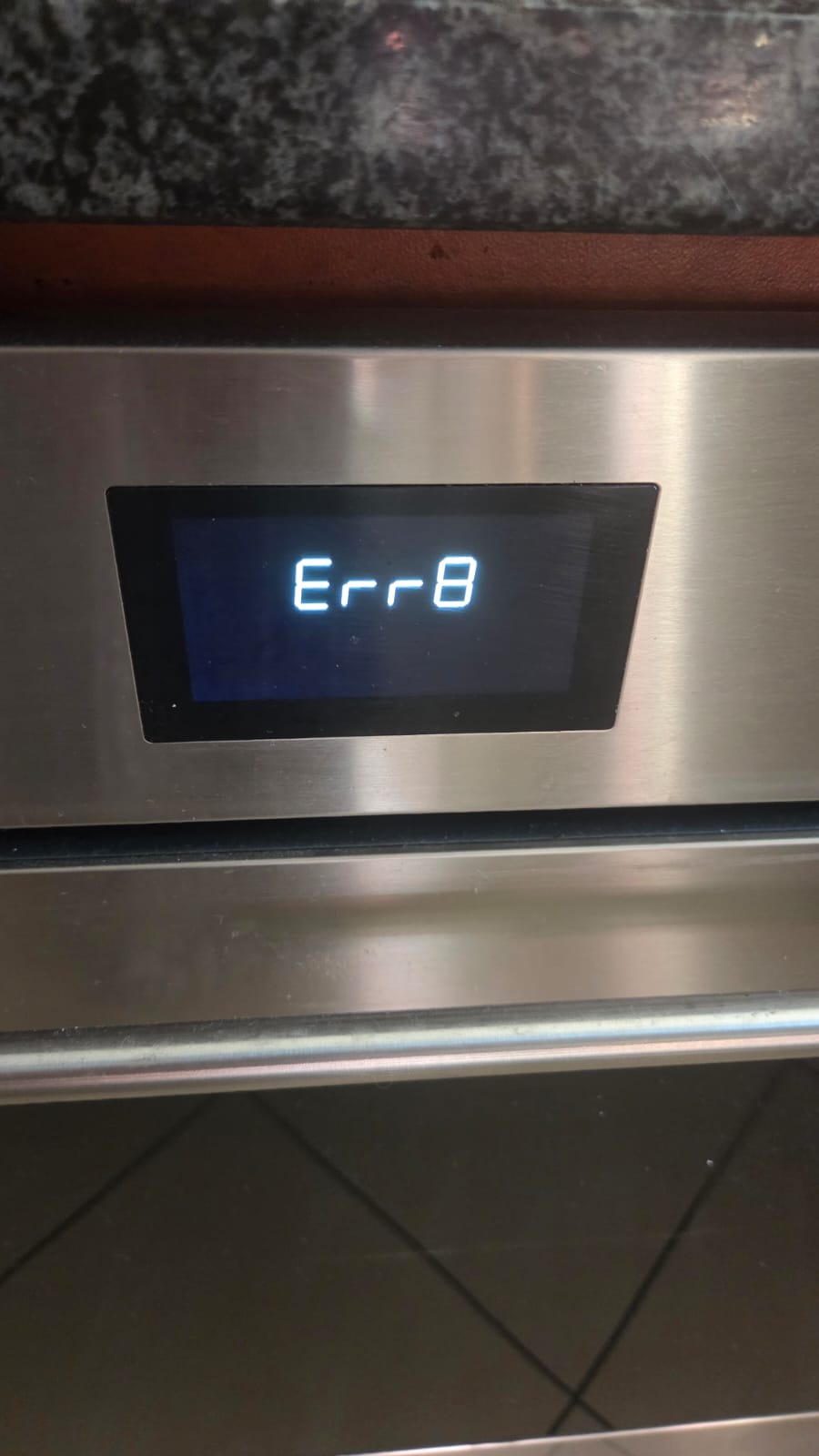
The oven had stopped working and the display was showing Err8. We pulled the oven out to get to the electronics. Testing showed the main control board (motherboard) had burnt out, which no amount of resetting would fix. We replaced the control board, tested every function, and the oven was back in use the same day.
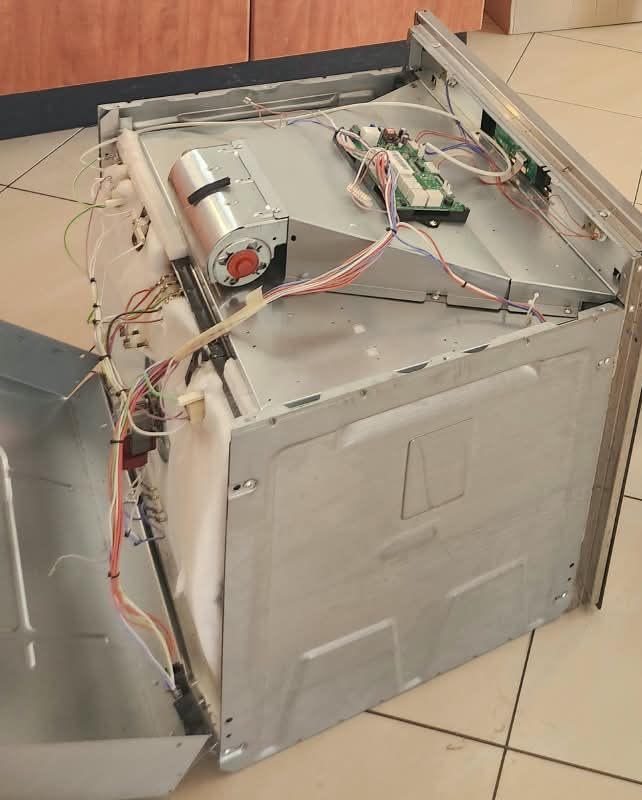
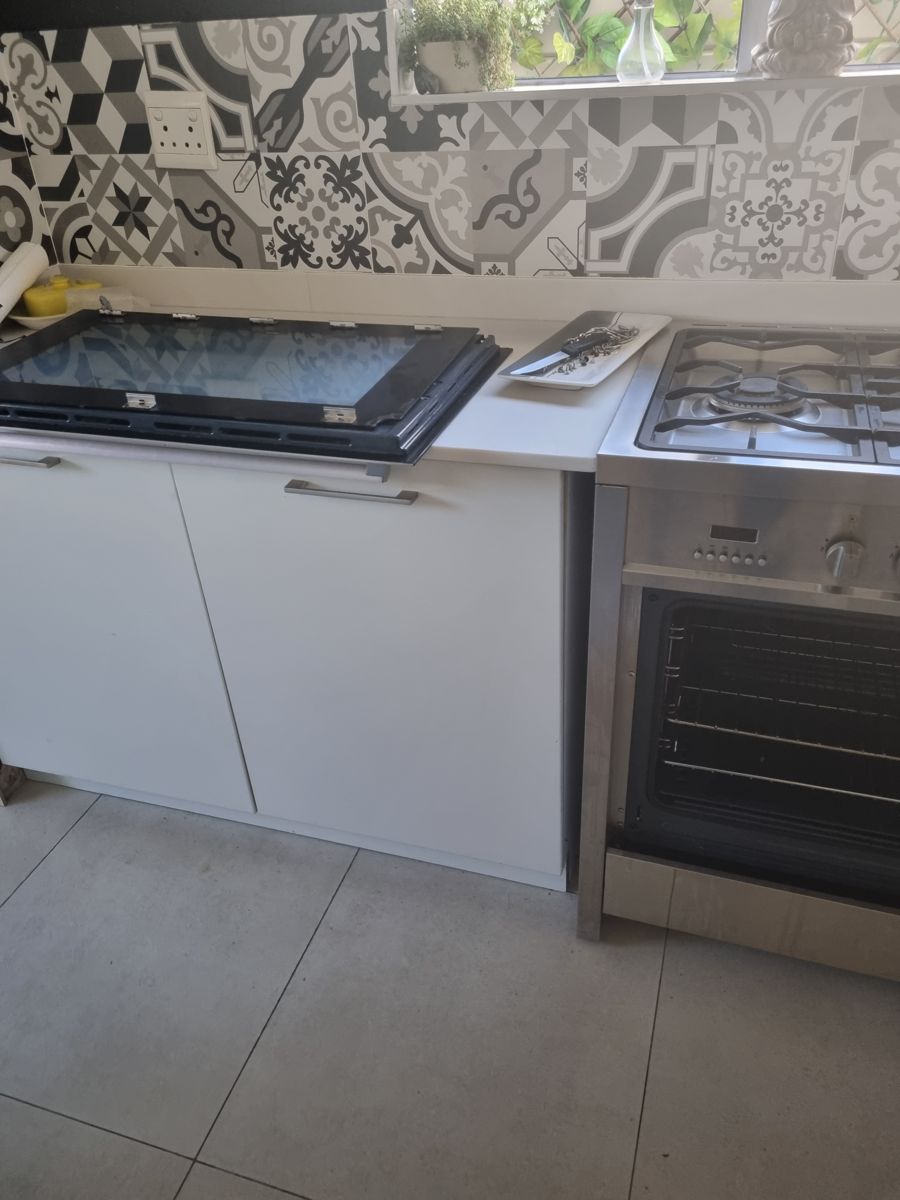
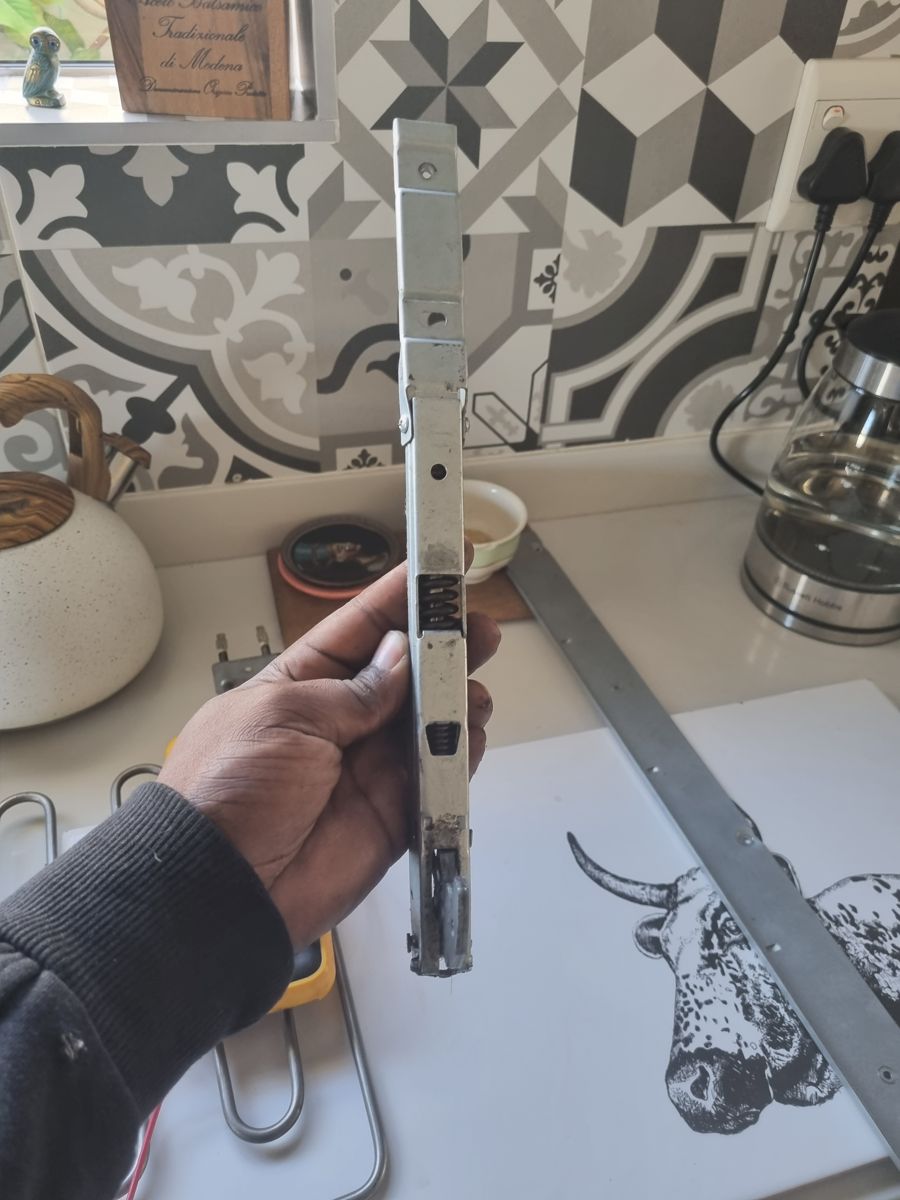
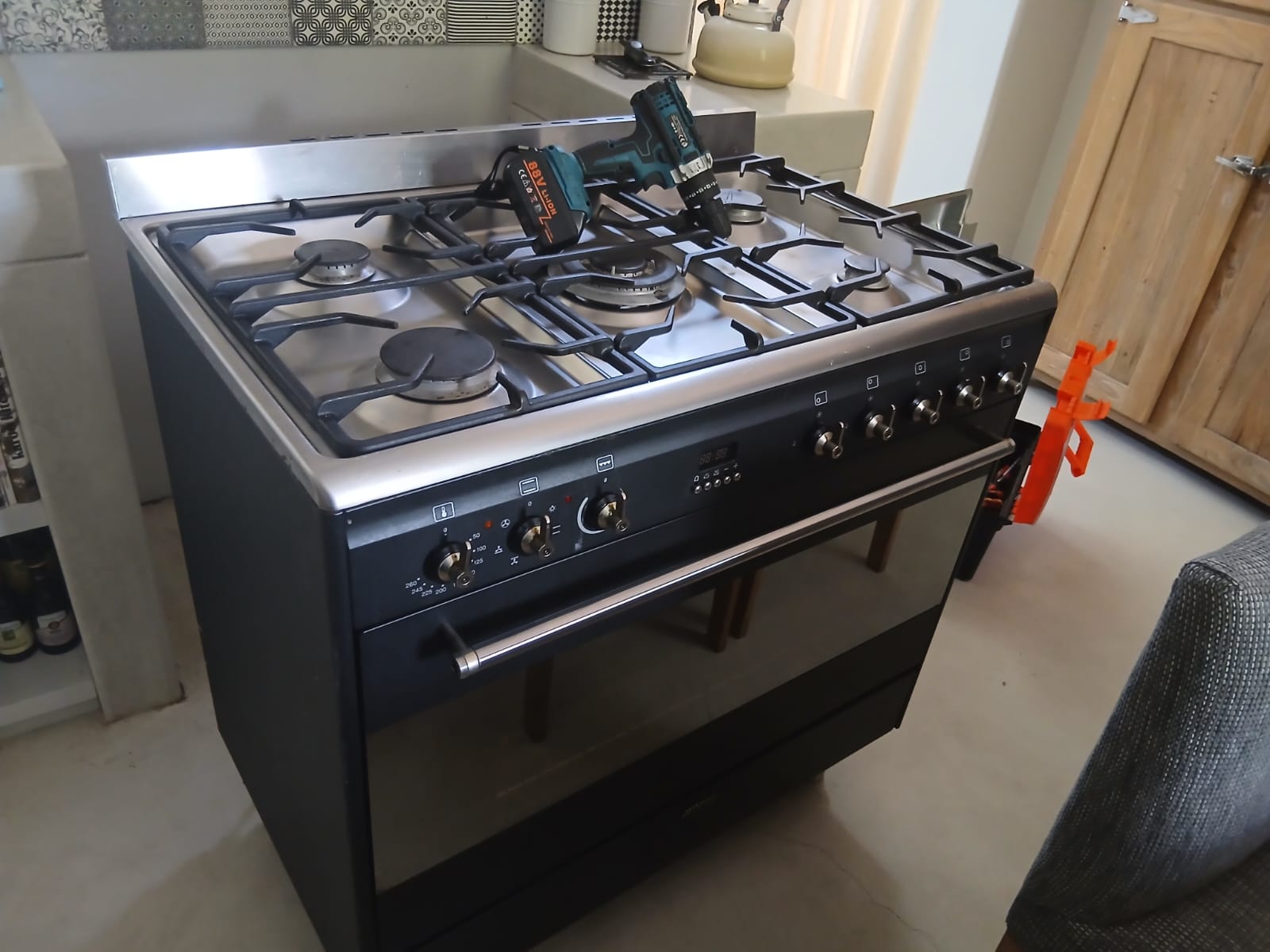
The oven door on this Smeg range cooker was sagging and wouldn't close properly. The owner had already replaced the door hinges themselves, but the door still dropped. Our technician took the door off and traced the fault to the hinge holder, the spring-loaded bracket inside the oven frame that the hinge locks into. Its springs and catch had worn, so the new hinges had nothing solid to hold on to. Replacing the hinge holder fixed the sag. Tip: a sagging oven door isn't always the hinges. Get it diagnosed before buying parts, because a door that doesn't seal wastes heat and cooks unevenly.
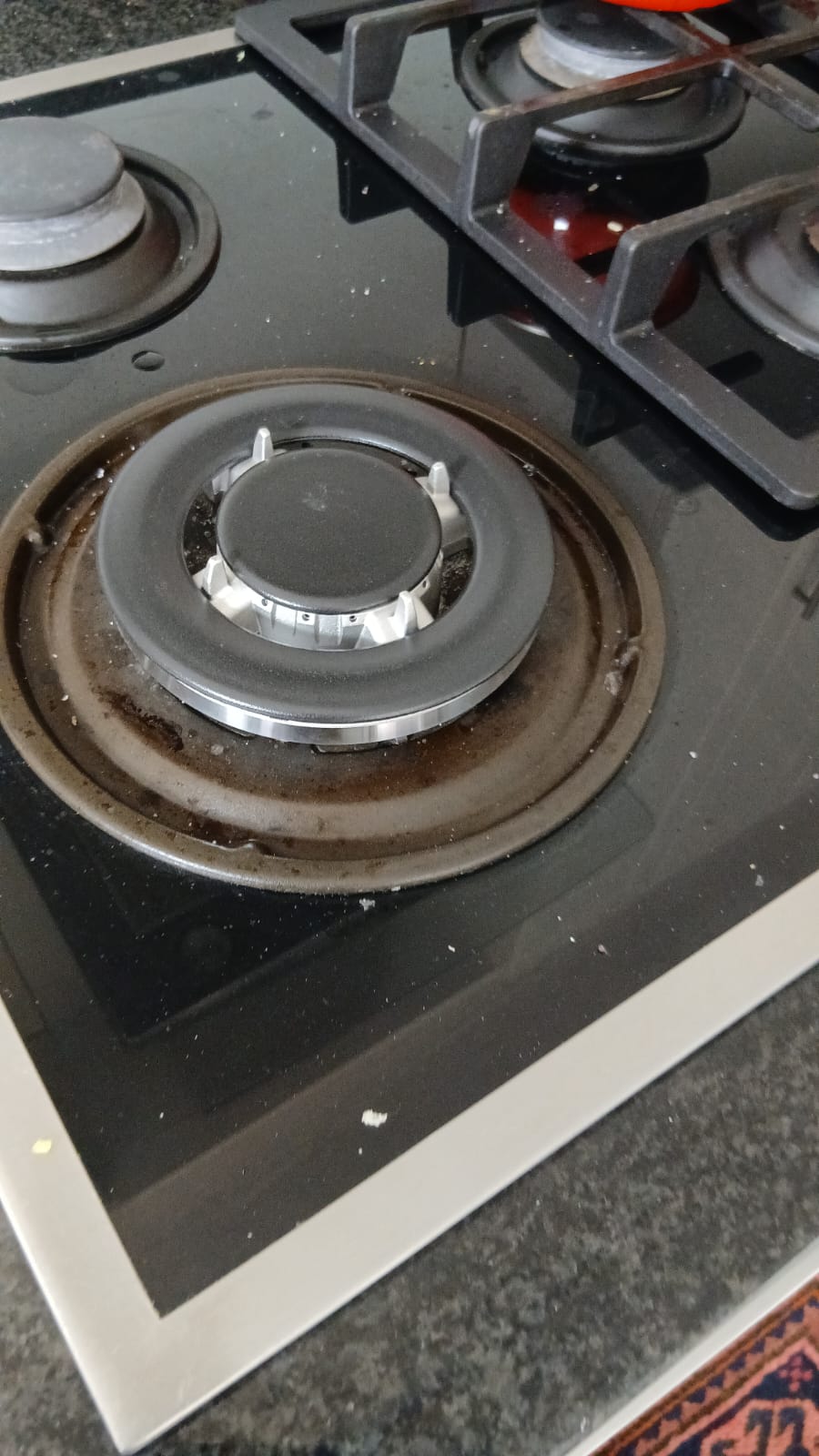
One of the gas burners (the "plate") was taking far too long to light. The igniter was sparking, but the flame wouldn't catch quickly or evenly. When we assessed it, we found the burner base had warped from years of heat. A warped burner doesn't seat properly, so the gas comes out unevenly around the ring instead of reaching the igniter cleanly. We replaced the burner, and the Swiss hob lit straight away and burned with an even flame, working as good as new. Slow or patchy ignition is often a burner problem, not just a weak spark.
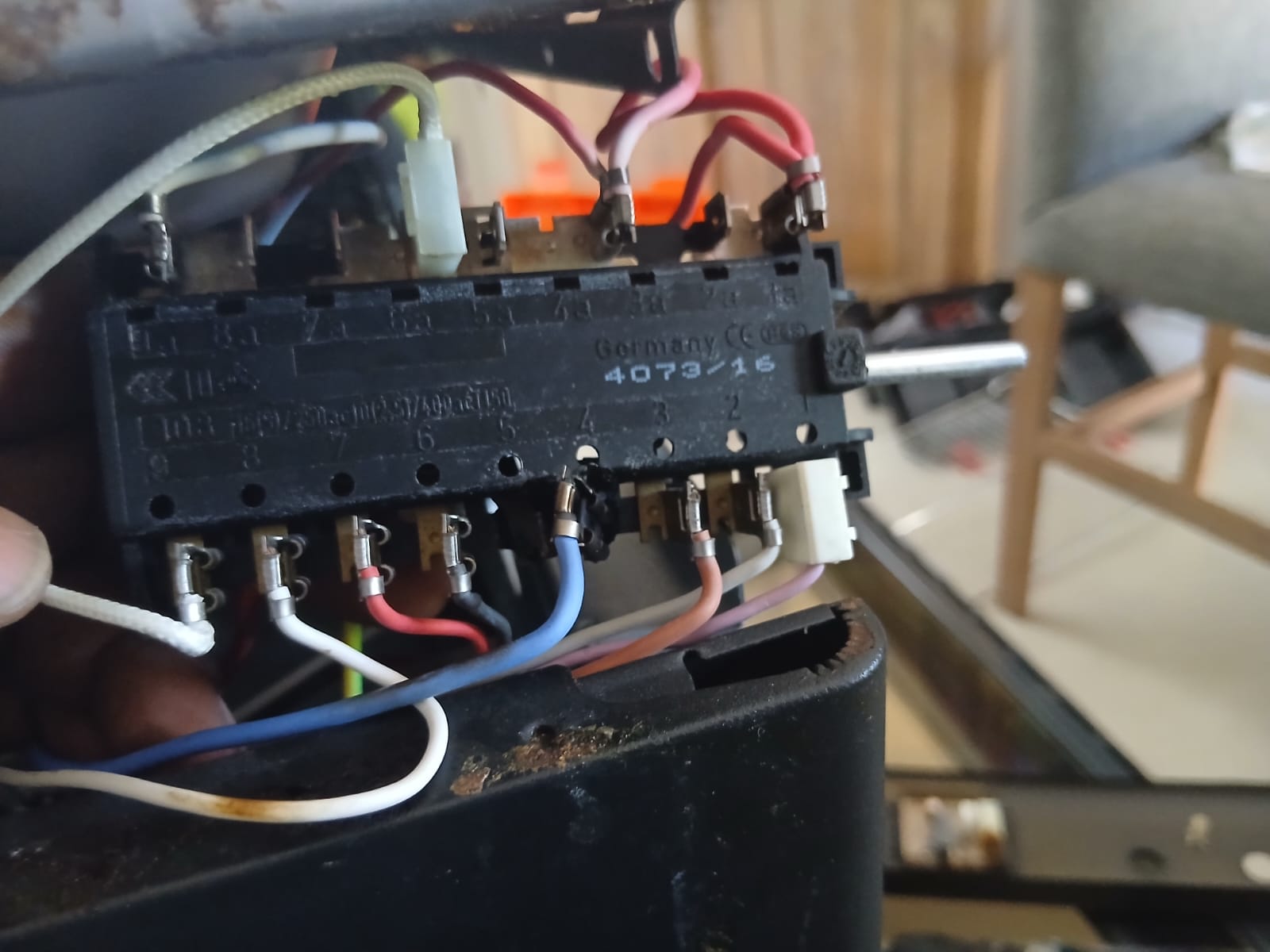
The customer phoned to say the oven was battling to reach temperature, and asked us to replace the thermostat. We recommended an assessment first, because several parts cause the same symptom. Our technician found the bottom (bake) element wasn't coming on, but the element and the thermostat both tested perfectly. The real fault was the oven's function selector switch: one of its terminals had burnt, so power never reached the bottom element. We replaced the selector switch and the oven heated up properly again. Diagnosing first saved the customer the cost of a thermostat they didn't need. See also: why an oven won't heat up.
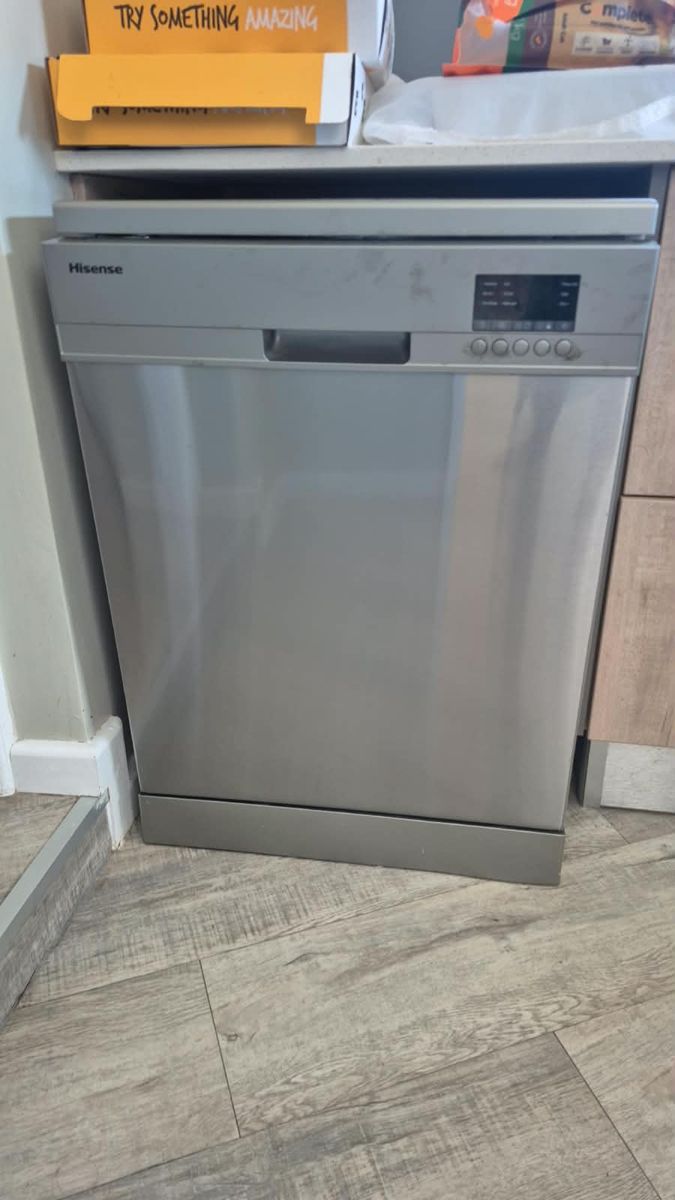
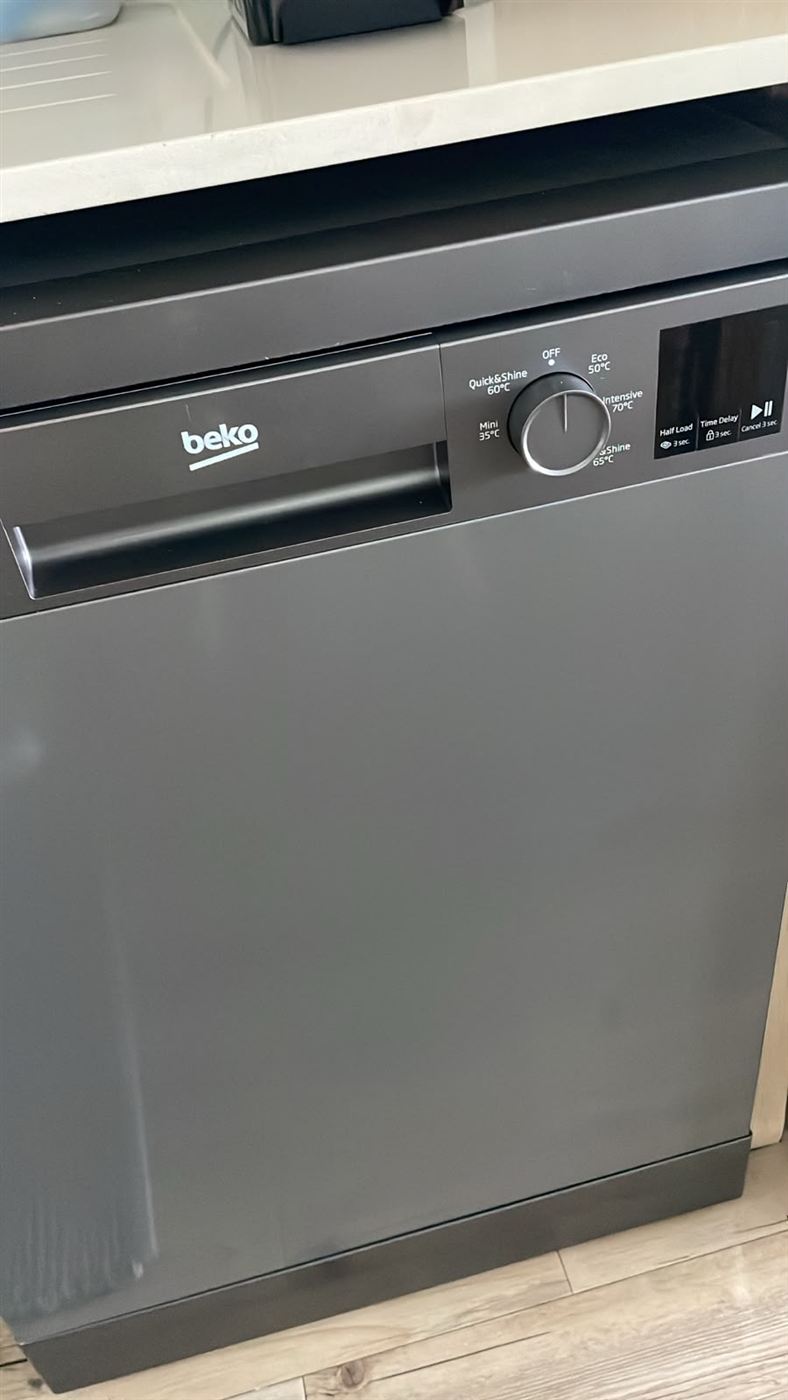
We repaired this Hisense freestanding dishwasher at a home in Kempton Park.
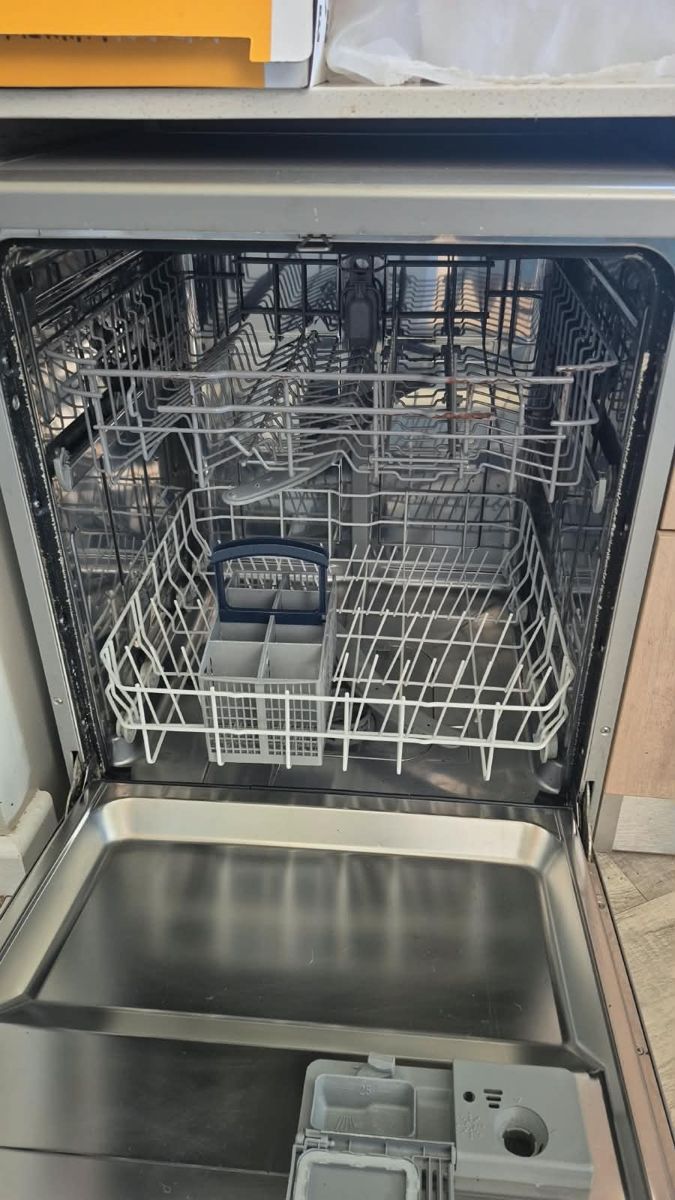
The dishwasher ran through its programmes, but the dishes came out dirty because no water was being sprayed through the arms. The wash pump, also called the circulation pump, pushes water up to the spray arms. Testing showed it had failed, so we replaced it and ran a wash to confirm the spray arms were working again. Tip: before calling, check that the filter at the bottom is clean and the spray arms turn freely. A blocked filter can cause the same symptom.
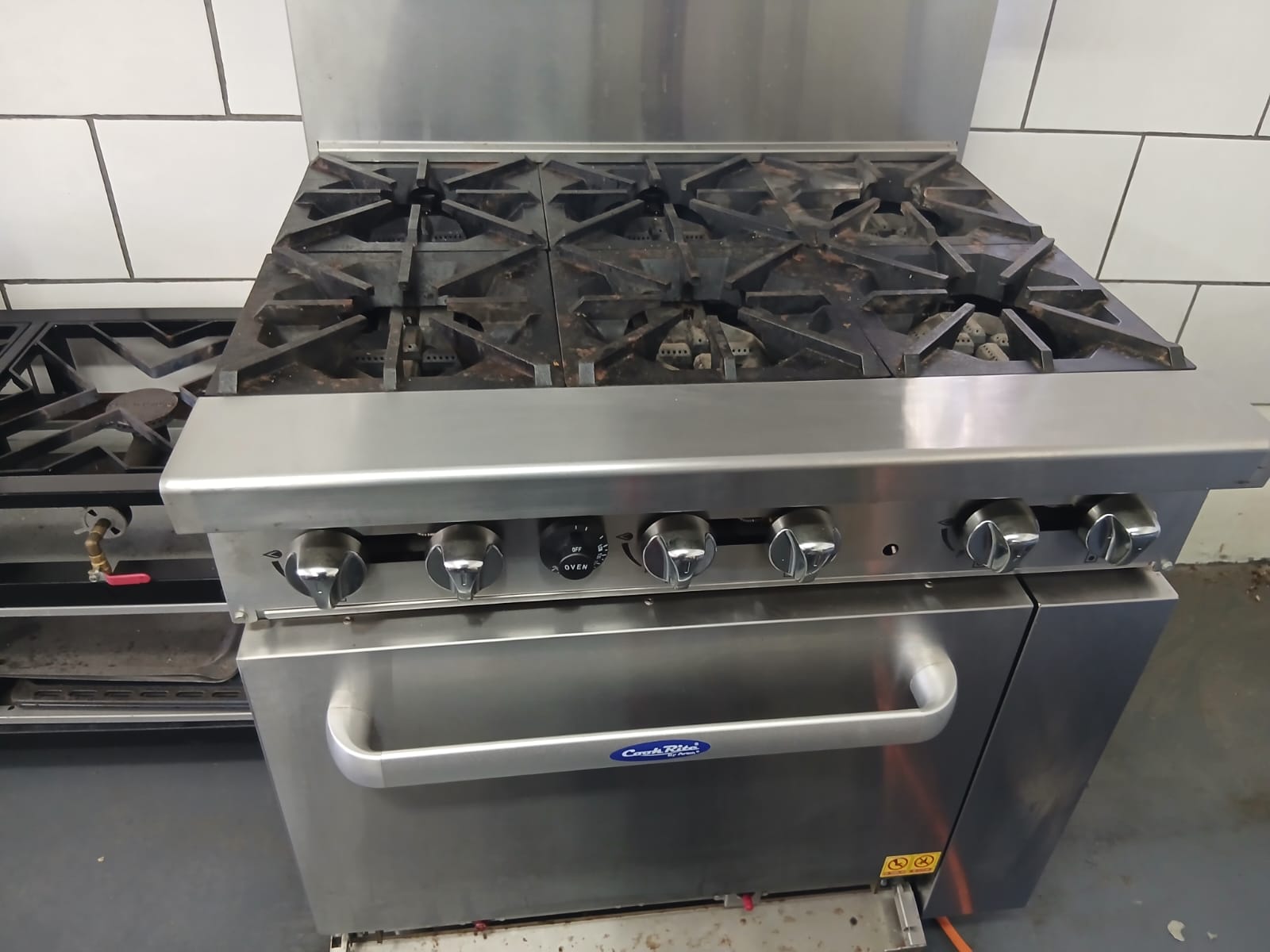
The kitchen's six-burner range wasn't working properly. The flames were weak and uneven. The cause was a build-up of grease and grime on the burner nozzles, restricting the gas and air flow the burners need to burn cleanly. It's one of the most common faults on busy commercial stoves, and regular cleaning of the jets and burners prevents it. We cleaned the nozzles and burners, and all six burners were back to a strong, even flame.
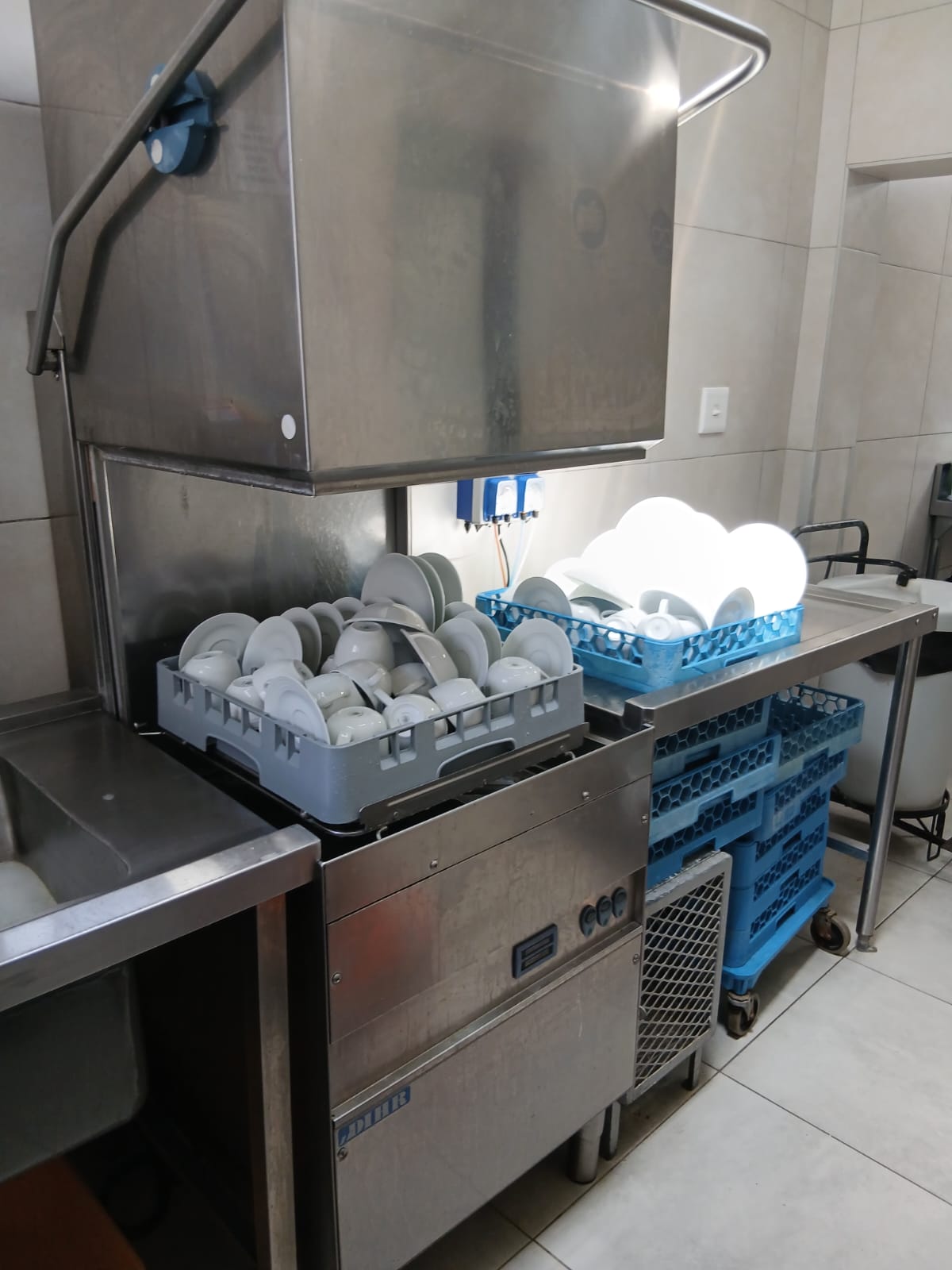
The kitchen's pass-through dishwasher was still running its cycles, but plates and cups were coming out oily, with grease left on them. In a commercial machine, the wash water has to be hot enough to break down fat. If it isn't, the detergent can't do its job and the grease just gets moved around. Our diagnosis showed the heating element had failed, so the water never reached washing temperature. We replaced the element, checked that the wash and rinse temperatures were back where they should be, and the dishes came out clean again. Greasy dishes from a dishwasher that otherwise seems to work are very often a heating fault.
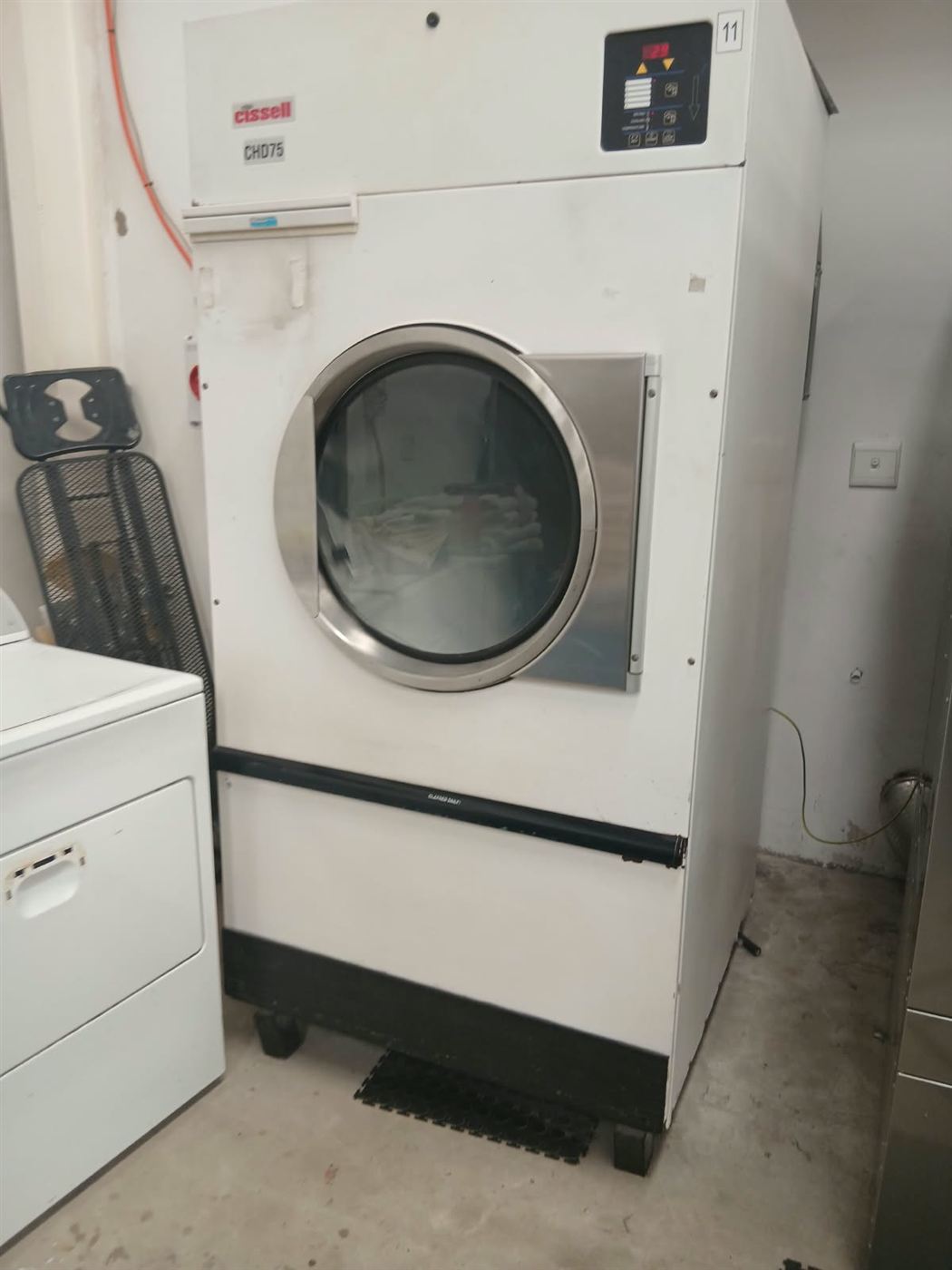
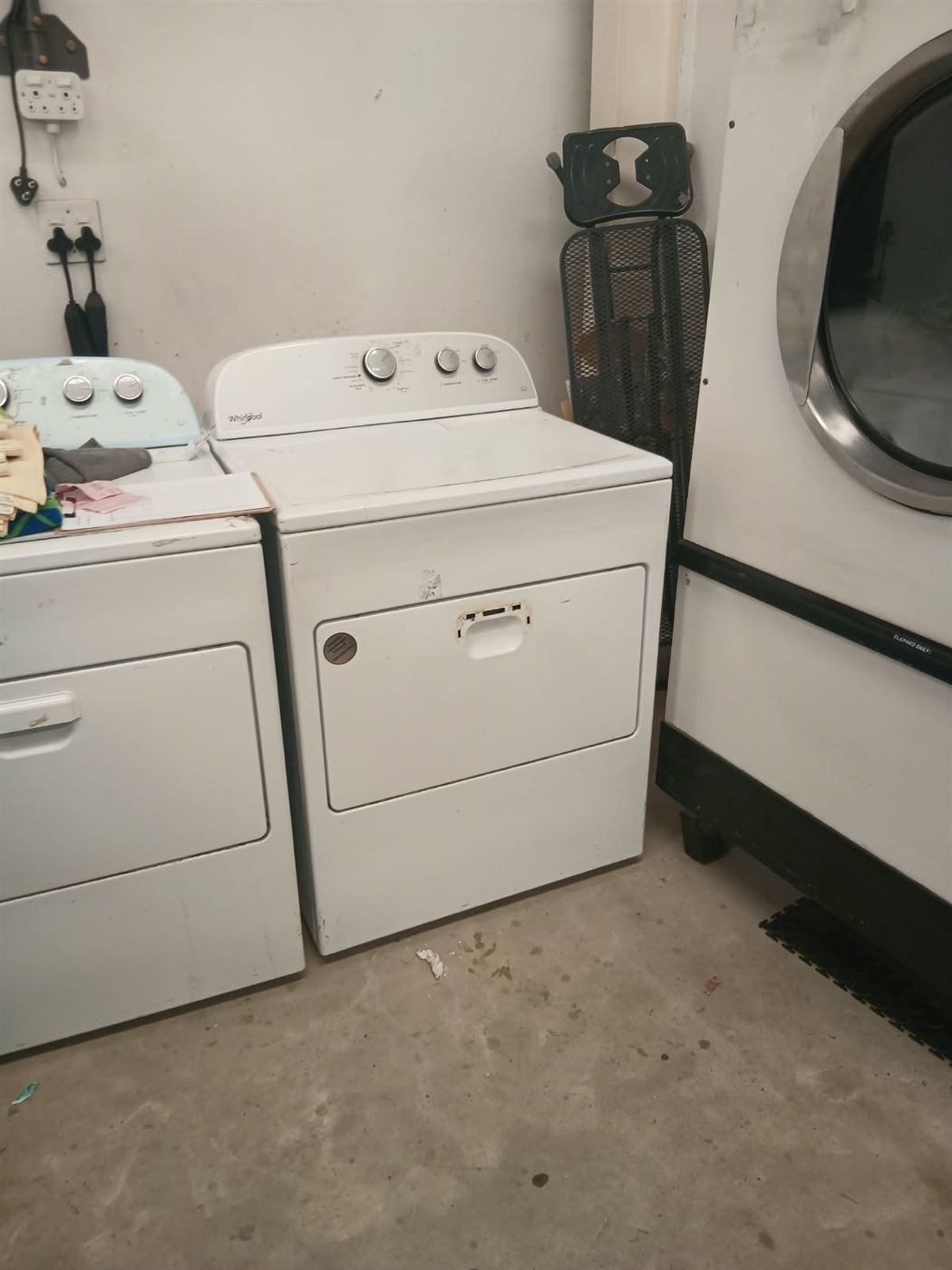
A laundromat in Fourways had us service its dryers, including a Cissell CHD75 commercial tumble dryer and a Whirlpool dryer. In a laundromat these machines run all day, so drive belts, drum rollers and bearings wear far faster than in a home dryer. We replaced a worn drive belt and serviced the drum rollers and bearings, so the drums turn smoothly again. Regular servicing keeps commercial machines earning, instead of standing with an out-of-order sign.
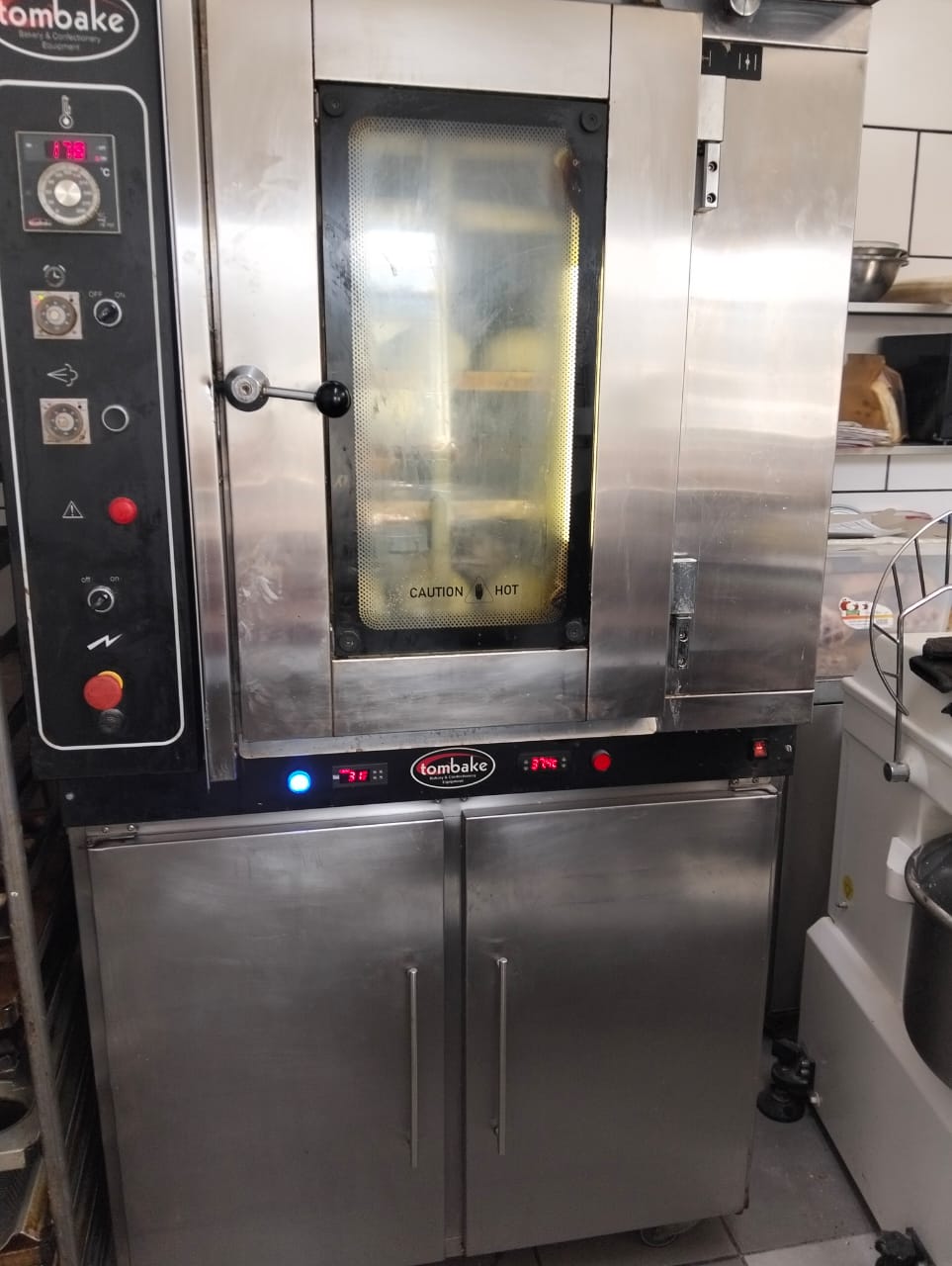
The restaurant called us because the oven had started making a noise it didn't make before. After a thorough assessment, we traced it to the convection fan motor: its bearing was seizing, and the motor was on its way out. Catching it at the noisy stage matters in a commercial kitchen. A seized fan motor means uneven baking at best, and an oven out of service in the middle of trade at worst. We replaced the fan motor, and the oven was back to running quietly and baking evenly. More on Tombake oven repairs.
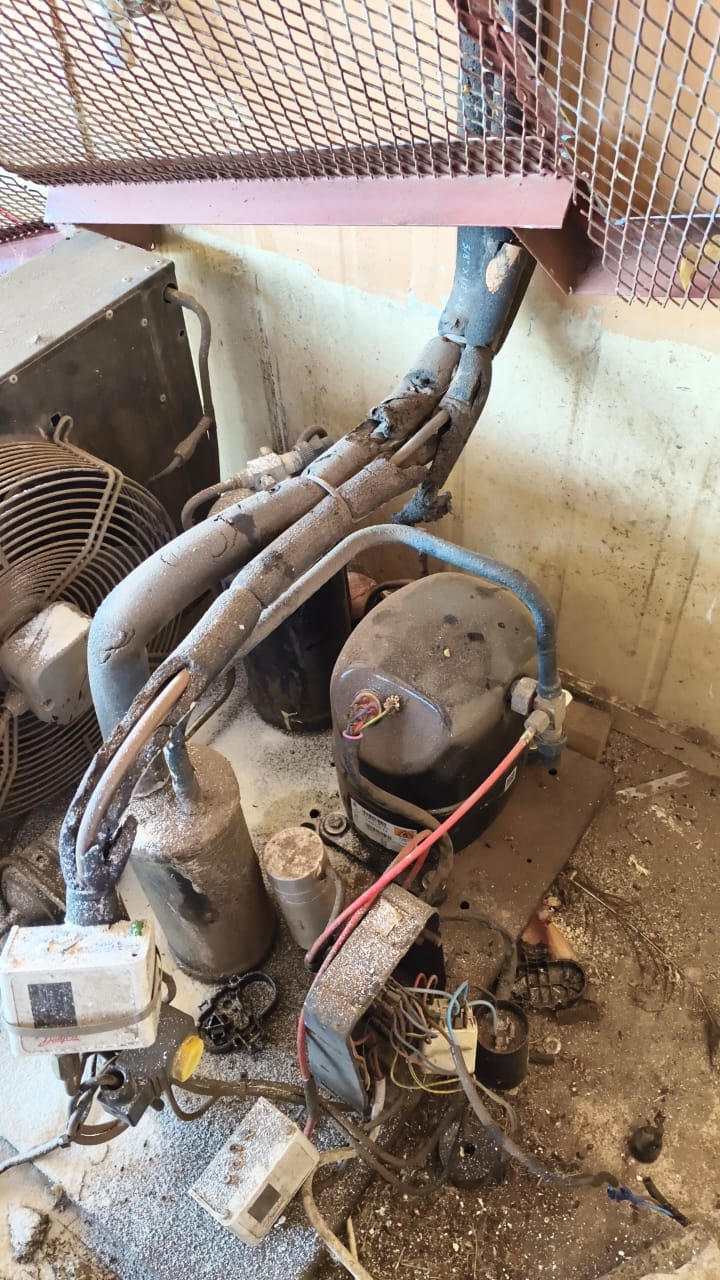
This cold room had been regassed, but it still wasn't performing and kept losing gas. On inspection, the refrigerant lines and their insulation were in a badly deteriorated state. Perished insulation lets the suction line pick up heat, which robs the system of cooling capacity, and worn lines are where leaks start. Regassing on its own was never going to last on a system like this, so we dealt with the leak and the refrigerant lines and insulation first. With that sorted, the cold room was regassed and is cooling properly and holding temperature again.
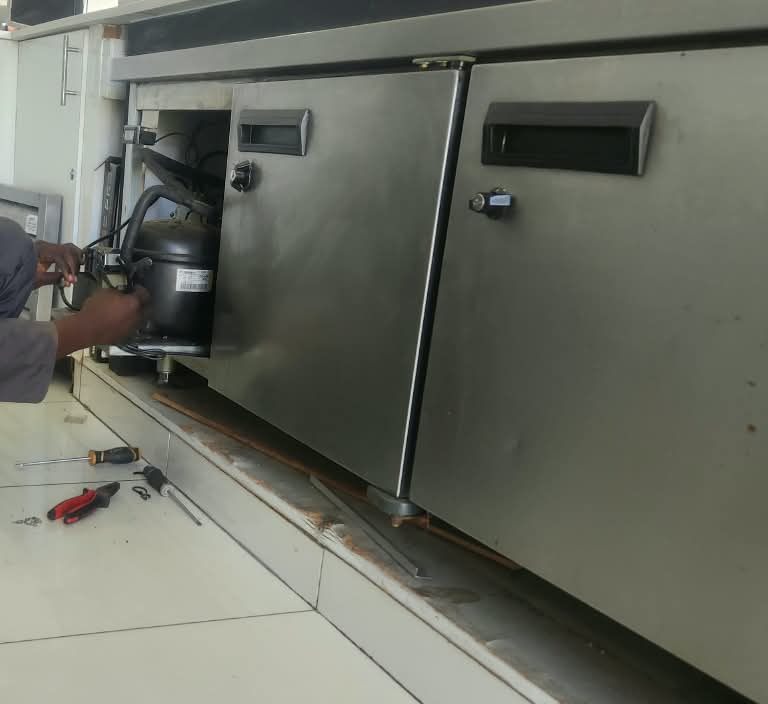
The bar fridge kept tripping the power. Testing showed the compressor had failed. It had been overheating for a long time because the condenser was thick with grease and dirt, so it couldn't get rid of heat and the compressor worked itself to death. We replaced the compressor, then degreased and cleaned the condenser so air can flow through it freely again. Without that second step, a new compressor would have gone the same way. In kitchens and bars, a condenser clean every few months is cheap insurance.
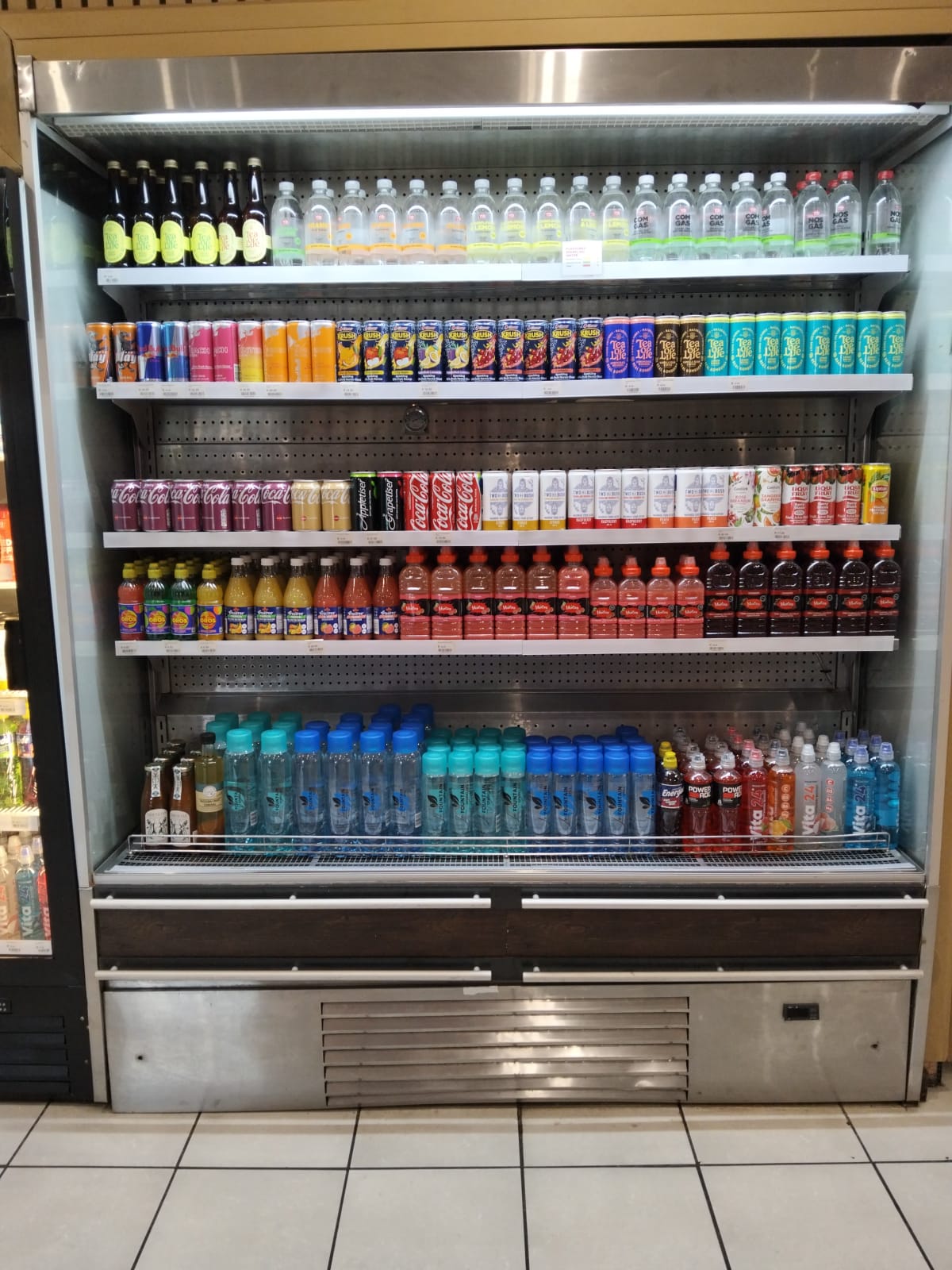
A filling-station shop's open-front drinks fridge was running, but the drinks weren't getting cold, which costs a forecourt shop sales every hour. We found the condenser fan motor had stopped. Without that fan, the condenser can't get rid of heat, so the system can't cool and the compressor runs hot. We replaced the fan motor and gave the whole unit a service, cleaning the condenser and checking that the airflow and temperatures were right. It was back to keeping drinks properly cold. Open-front display fridges work extra hard, so a regular condenser clean pays for itself.
Have the same problem? Call or WhatsApp 072 686 0472. We cover Johannesburg, Pretoria, Centurion, Midrand, Sandton, Randburg, Fourways, Krugersdorp, the West Rand and the East Rand. See all areas.
Tell us your suburb, the brand and model, and the fault. Standard R350 diagnostic call-out.
📞 Call 072 686 0472 💬 WhatsApp UsOr email info@absoluterepairs.co.za
Tell us what's broken and where you are. We'll call you back to confirm a time, usually the same day.
 Absolute