Same-day service On-site repair Call 072 686 0472
On-site repairs for washing machines that won't drain, spin or start, leaks, loud drum noise and error codes, plus tumble dryers that won't heat. Front loaders and top loaders.
Quick answer: The most common cause is a blocked drain pump filter, often from coins, hair clips or lint. Other causes are a failed drain pump, a kinked or blocked drain hose, an unbalanced load, a faulty door lock, or worn motor carbon brushes. Most machines won't spin until all the water has drained.
Before you call, check the pump filter behind the small flap at the bottom front of most front loaders. Put a towel and a shallow tray down first, because water will come out. Also check that the drain hose isn't kinked, and try a smaller, evenly spread load.
If the machine shows an error code, write it down together with the brand and model. It helps us bring the right part on the first visit.
This table shows the most likely Washing machine faults, so you know what to expect before we arrive:
| Symptom | Most likely causes | What to check first |
|---|---|---|
| Won't drain, water left in drum | Blocked pump filter; failed drain pump; blocked hose | Clean the pump filter at the front bottom |
| Won't spin | Unbalanced load; drain problem; door lock; carbon brushes; motor or board | Try a small, evenly spread load |
| Won't start or door won't lock | Door lock or interlock; control board; power supply | Check the door closes fully and the child lock is off |
| Leaking water | Torn door seal; loose or split hoses; pump seal | Check the rubber door seal for tears or trapped items |
| Loud banging or grinding on spin | Worn drum bearings; broken suspension or shock absorbers; foreign object | Check the machine is level and the transit bolts are removed if it's new |
| Not filling with water | Tap closed; blocked inlet filter; inlet valve; pressure sensor | Check the tap is fully open and the hose isn't kinked |
| Tumble dryer runs but no heat | Heating element; thermal fuse; thermostat; blocked lint or condenser | Clean the lint filter and the condenser unit |
These are the error codes we see most often. Exact meanings can vary by model, so check your manual too.
| Brand | Code | Usual meaning |
|---|---|---|
| Samsung | 4C / 4E | Water supply problem (not filling) |
| Samsung | 5C / 5E | Drain problem (blocked filter or pump) |
| Samsung | UE / UB | Unbalanced load |
| Samsung | DC / dE | Door not closed or door lock fault |
| LG | OE | Drain problem |
| LG | IE | Water inlet problem |
| LG | UE | Unbalanced load |
| LG | dE | Door lock fault |
| LG | LE | Motor locked or motor fault |
If a code comes back after you've cleared the filter and restarted the machine, the part itself has probably failed and needs a technician.
Quick answer: A dryer that runs but doesn't heat usually has a failed heating element, thermal fuse or thermostat. Very often the cause is a blocked lint filter or condenser, which makes the dryer overheat.
We repair vented, condenser and heat-pump tumble dryers, including drum belts, rollers, door switches, sensors and control boards. Cleaning the lint filter after every load prevents most heating faults. See our guide: Tumble dryer not heating?
Quick answer: Every job starts with a flat R350 call-out fee. That includes getting to you, finding the washing machine fault on site and a written quote. After that, the washing machine repair price depends on the part and labour, and nothing happens until you approve it.
Pump filter blockages and hoses are usually the cheapest fixes. Drain pumps, door locks and inlet valves cost a bit more. Drum bearings, motors and control boards are the most expensive. For typical price ranges, see our appliance repair cost guide.
Most washing machines last about 8 to 12 years. If yours is younger than that and the repair costs less than half the price of a comparable new machine, repair usually makes sense. Premium brands like Miele and Bosch are generally worth repairing. The technician will tell you honestly if they aren't.
We take Washing machine bookings Monday to Saturday, 07:30 to 17:30. Most washing machine call-outs are seen the same day, depending on how busy our technicians are. Living in an estate? Send the gate procedure with your washing machine booking and we'll sort out access.
Washing machine repairs in all of these areas carry the same R350 call-out. Linked areas have their own local page.
We repair all major brands of front-loading and top-loading washing machines, washer-dryers and tumble dryers:
Samsung · LG · Defy · Bosch · Whirlpool · Miele · AEG · Siemens
Every repair starts with a flat R350 call-out fee. It includes the trip to you, testing the washing machine on site and a written quote. The final cost depends on the part needed, and you approve the quote before any work begins.
The load is spread unevenly, so the machine won't spin at full speed to protect itself. This often happens with one heavy item like a duvet or towel. If it happens with normal loads, the shock absorbers or suspension may be worn.
A loud rumbling or grinding noise usually means worn drum bearings. Banging can mean broken suspension or an object stuck between the drums. Worn bearings get worse over time, so it's best to have them checked early.
Yes. We repair vented, condenser and heat-pump tumble dryers, including heating faults, belts, rollers, sensors and control boards.
Yes. We regularly repair Miele, Bosch, Siemens and AEG machines, as well as Samsung, LG, Defy and Whirlpool.
We cover Sandton, Bryanston, Fourways, Midrand, Kyalami, Waterfall, Pretoria East, Centurion, Randburg, Northcliff, Bedfordview, Edenvale, Benoni and the surrounding suburbs, for the same R350 call-out fee.
Send your suburb, the washing machine brand and what it's doing, and we'll offer the earliest slot.
📞 Call 072 686 0472 💬 WhatsApp UsOther services: Fridge Repair Gauteng · Aircon Repair Gauteng · Aircon Installation Gauteng · Oven & Stove Repair Gauteng
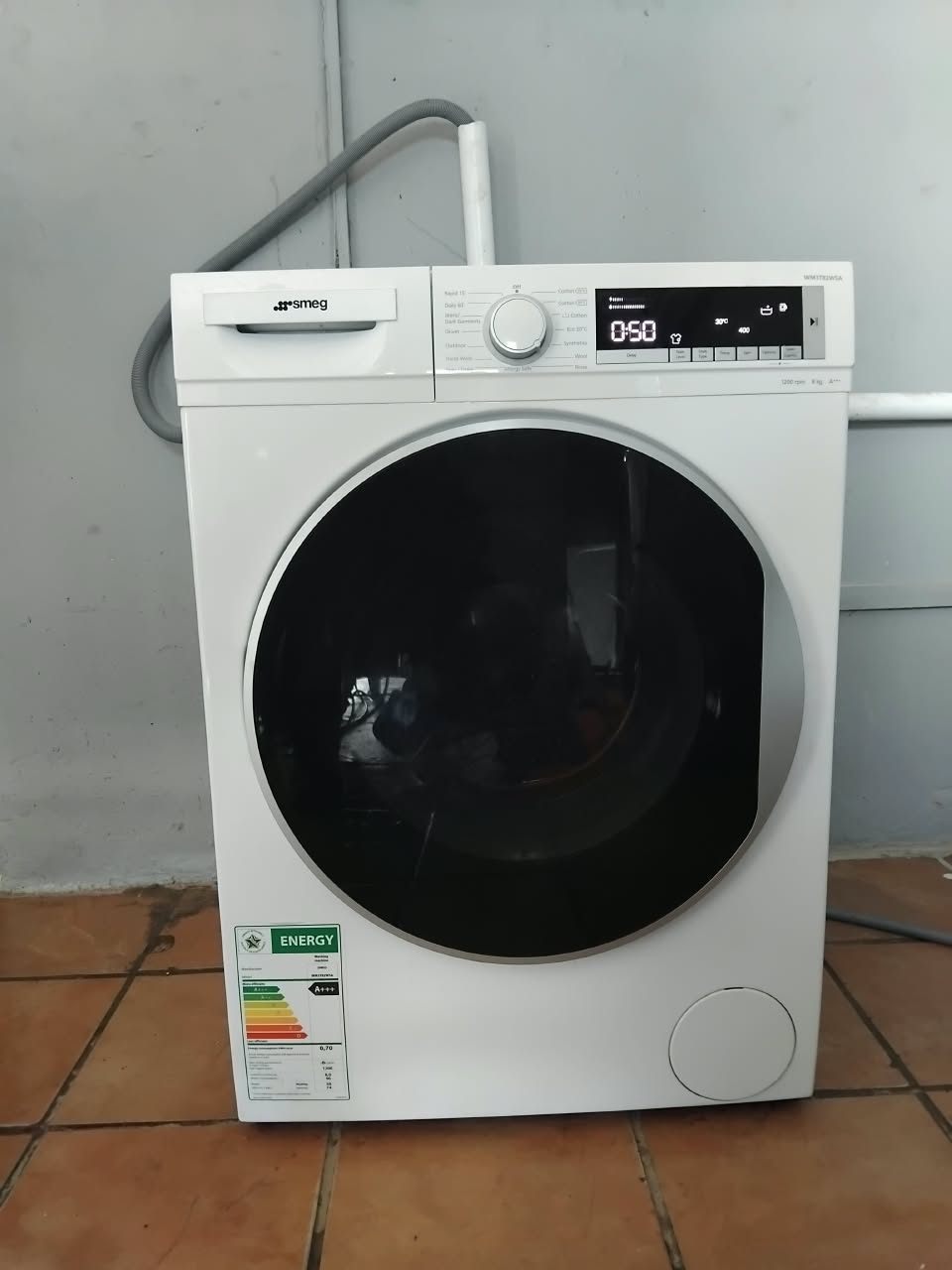
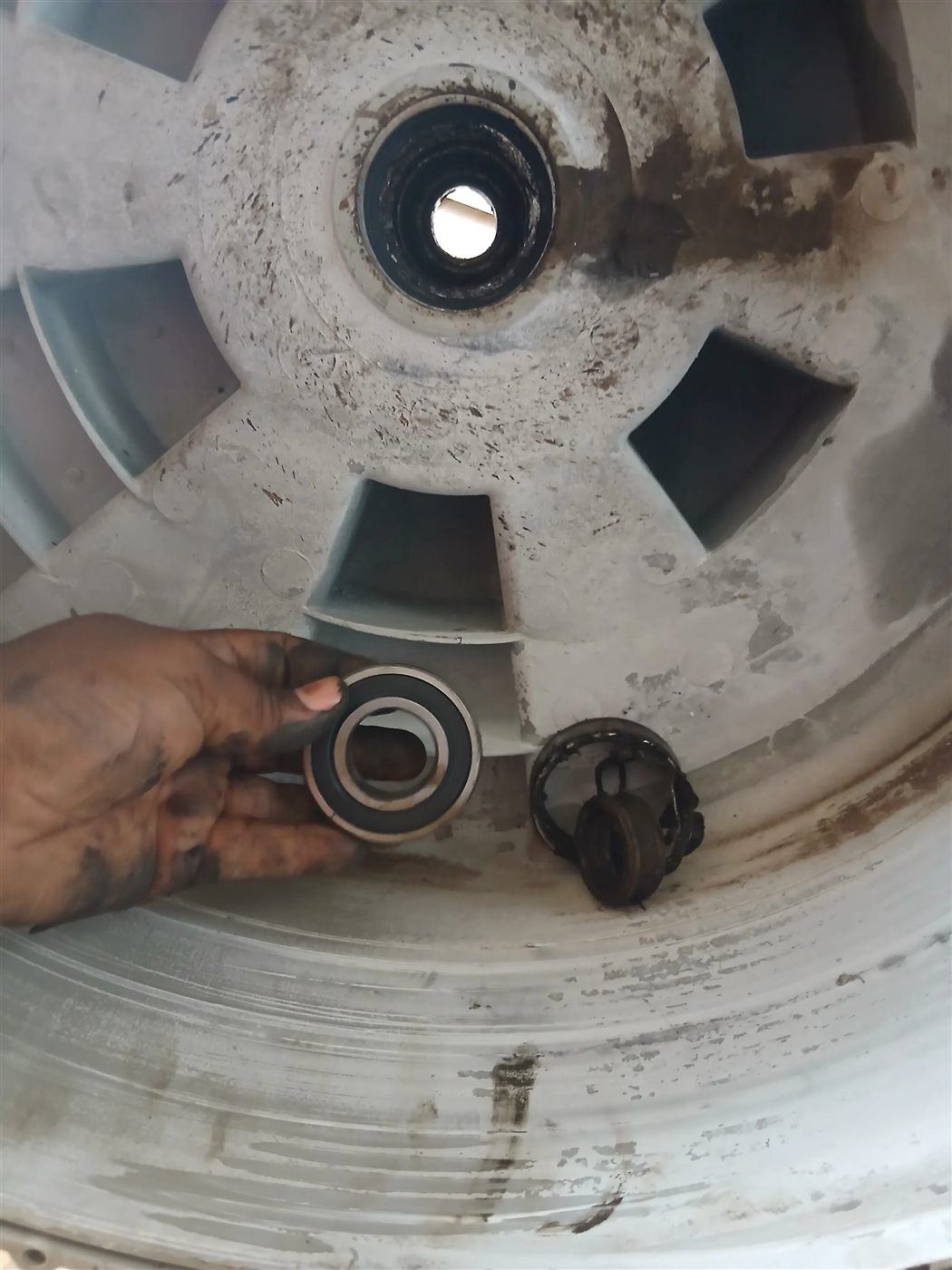
This Smeg 8 kg front-loader in Randfontein was making a loud noise every time it went into spin. A rumbling or roaring noise that gets louder as the drum speeds up is the classic sign of worn drum bearings. The bearings sit in the back of the tub and carry the whole weight of the drum and the wet washing, so once water gets past the seal and they start to rust and break up, the drum runs rough and noisy. We stripped the machine down and split the tub to get to them. The second photo shows the inside of the tub with the new bearing in the technician's hand next to the old one, which had completely broken apart. We fitted new bearings, put the machine back together, and ran it through a spin: it was quiet and smooth again. Tip: bearings don't usually fail overnight. If your machine starts to rumble on spin, or the drum has play when you lift it by hand, get it checked early. Left too long, a collapsed bearing can damage the drum shaft and the tub, and the repair gets much bigger.
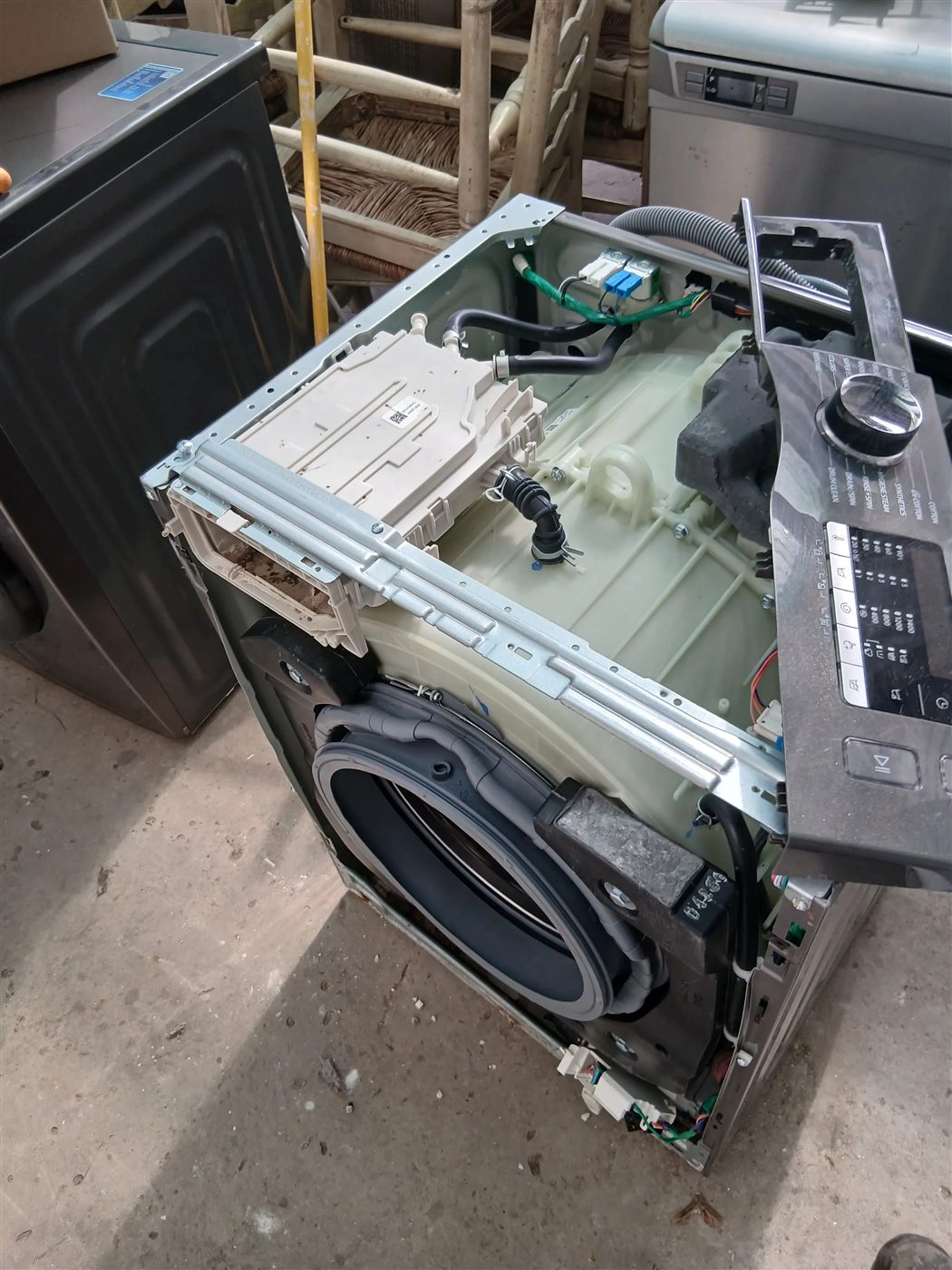
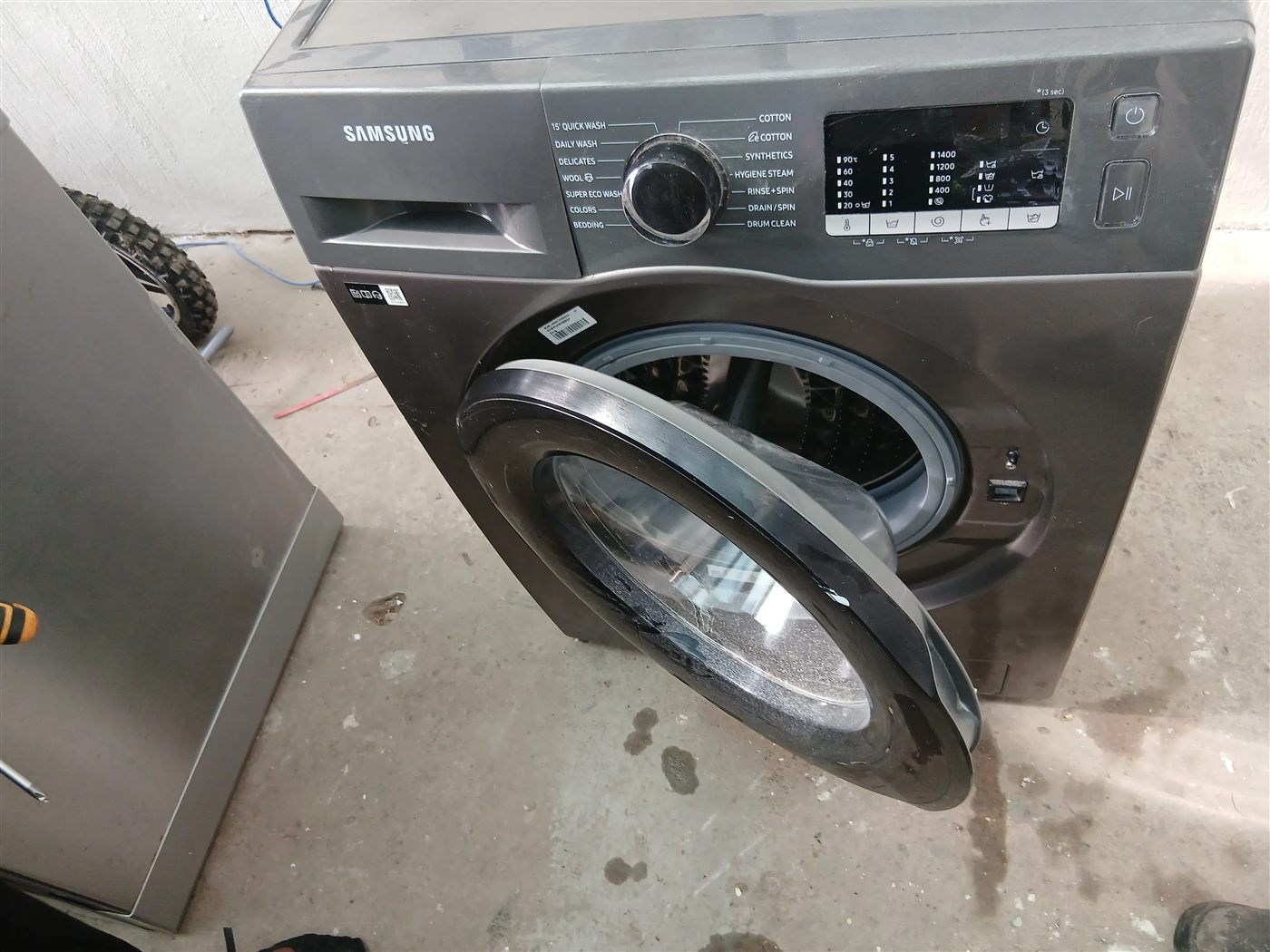
This Samsung front-loader in Alberton was leaking water from the front of the machine during washes. The cause was a broken door rubber boot: the thick rubber seal between the drum opening and the door, which keeps the water inside while the drum turns. Once it tears or splits, water escapes through the gap on every wash, usually onto the floor under the door. Replacing the boot means taking the top and front panels off and removing the clamp rings that hold it in place, which you can see in the first photo. We fitted a new boot, refitted the clamps and panels, and ran the machine to check it was sealing properly. It was leak-free again. Tip: after each wash, wipe inside the fold of the door rubber and leave the door open a little to dry. Coins, hair clips and underwire caught in the fold are a common cause of tears, so check pockets before washing.
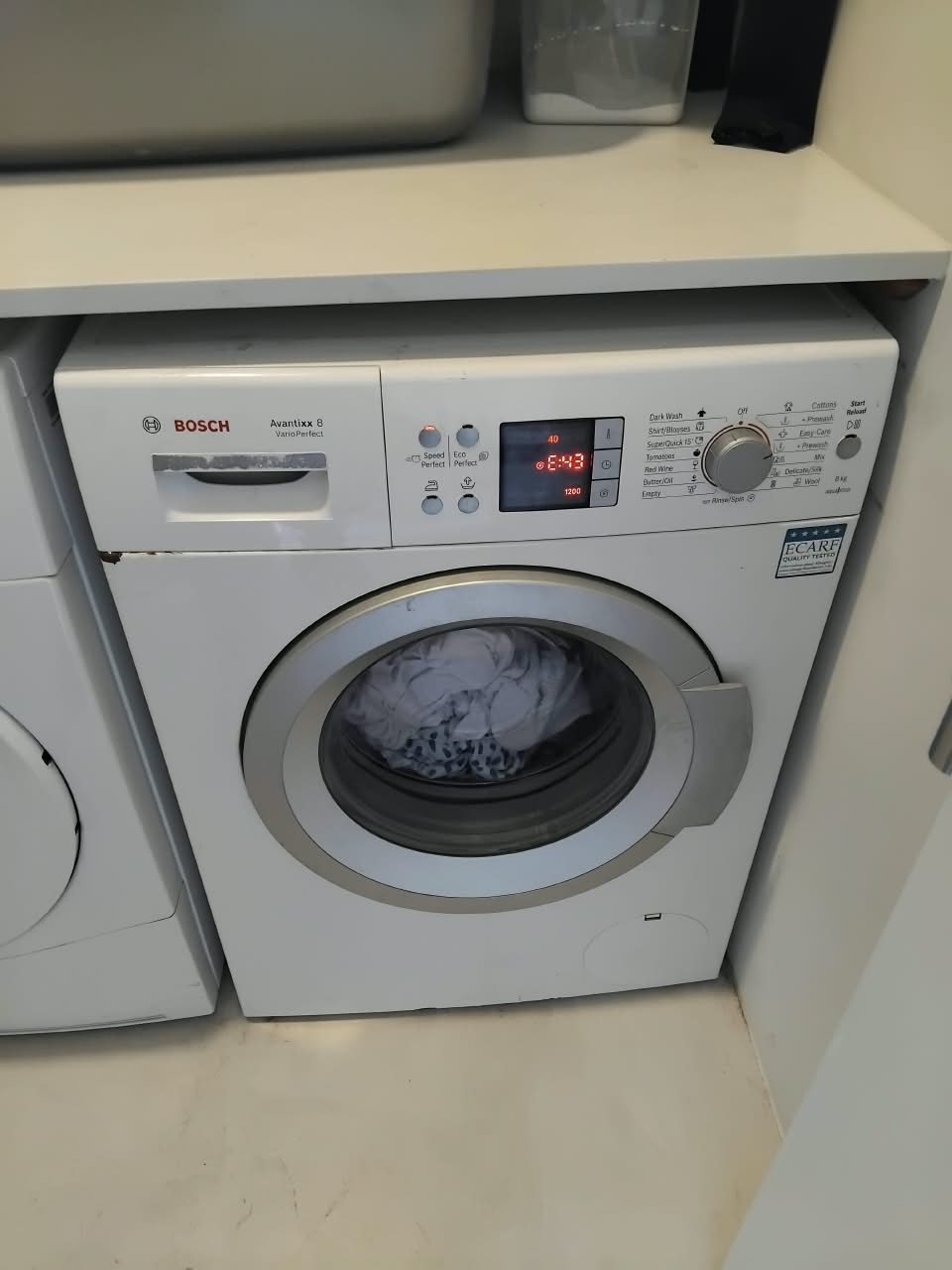
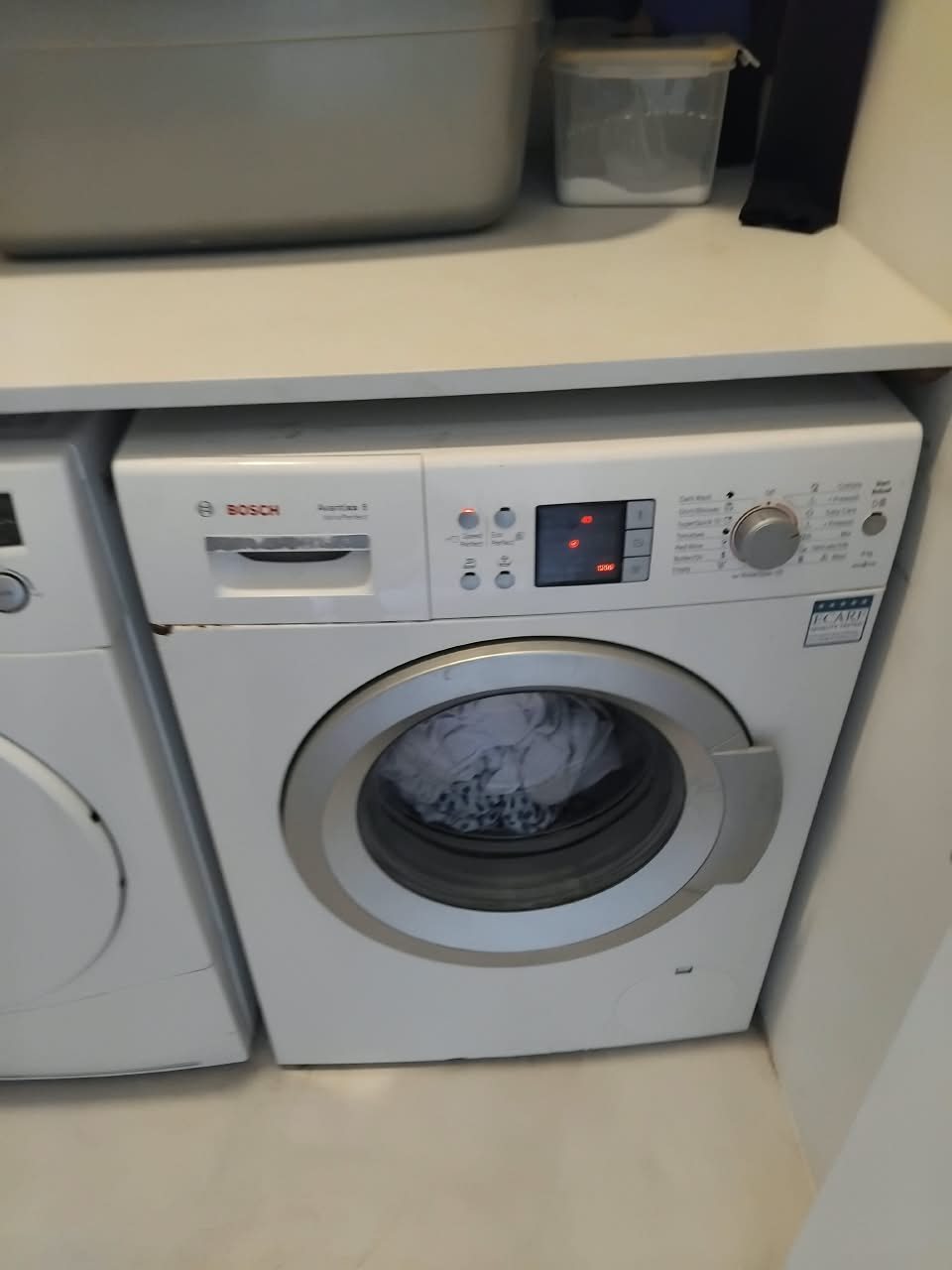
This Bosch Avantixx 8 VarioPerfect washing machine in Sandton had stopped mid-wash with E:43 showing on the display and a load of washing still inside. Unlike a door or tap warning, an E-code like this means the machine's electronics have picked up an internal fault and shut the cycle down to protect itself, so switching it off and on again usually doesn't make it go away for long. Our technician tested the machine on site, found the fault behind the code and repaired it, then ran it through a wash and spin to check the error didn't come back. The second photo shows it running normally again with the display clear. Tip: if your Bosch shows an E-code, note the number and switch the machine off at the wall before calling us. Telling us the exact code over the phone or on WhatsApp helps us bring the right parts on the first visit.
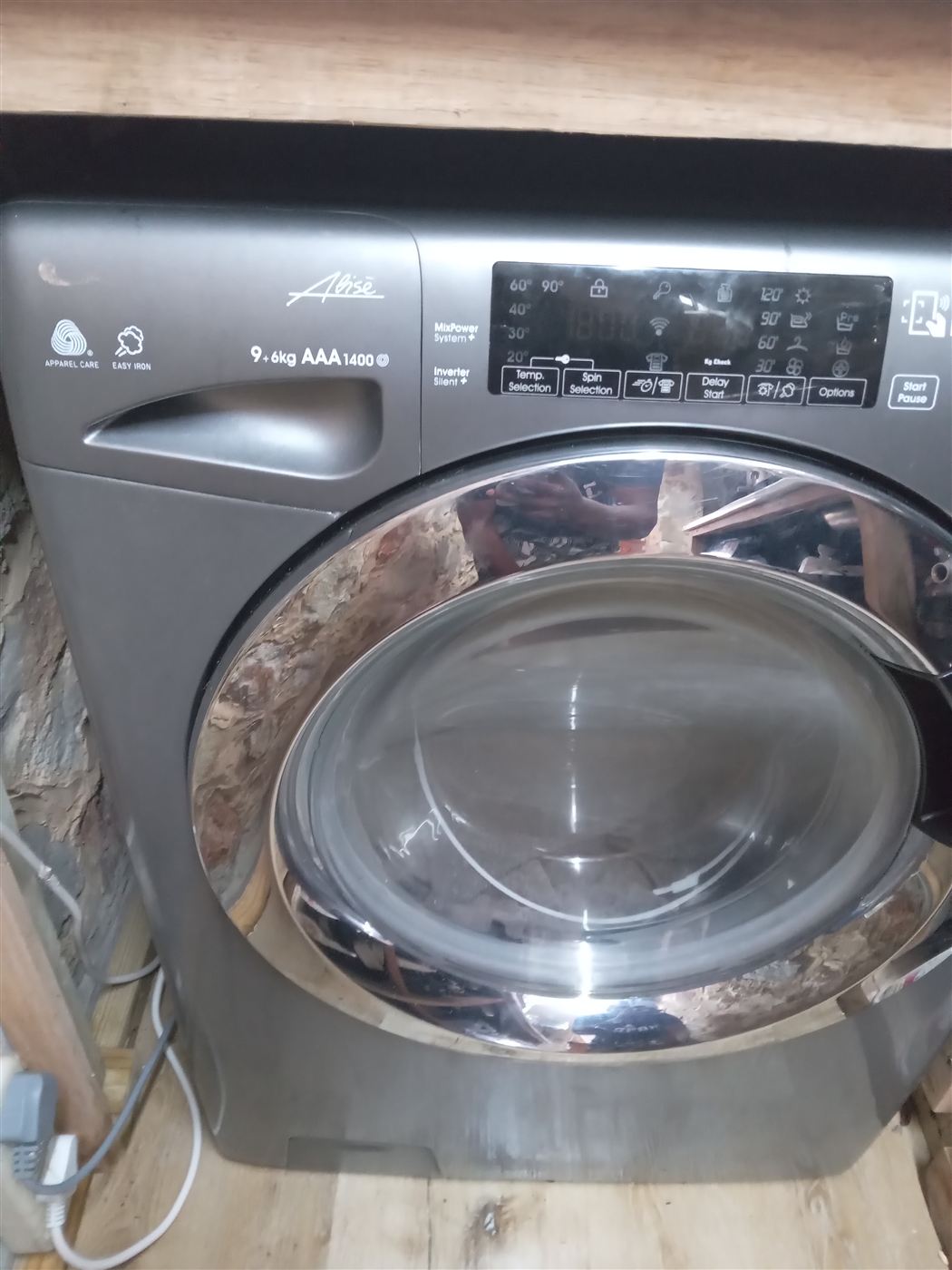
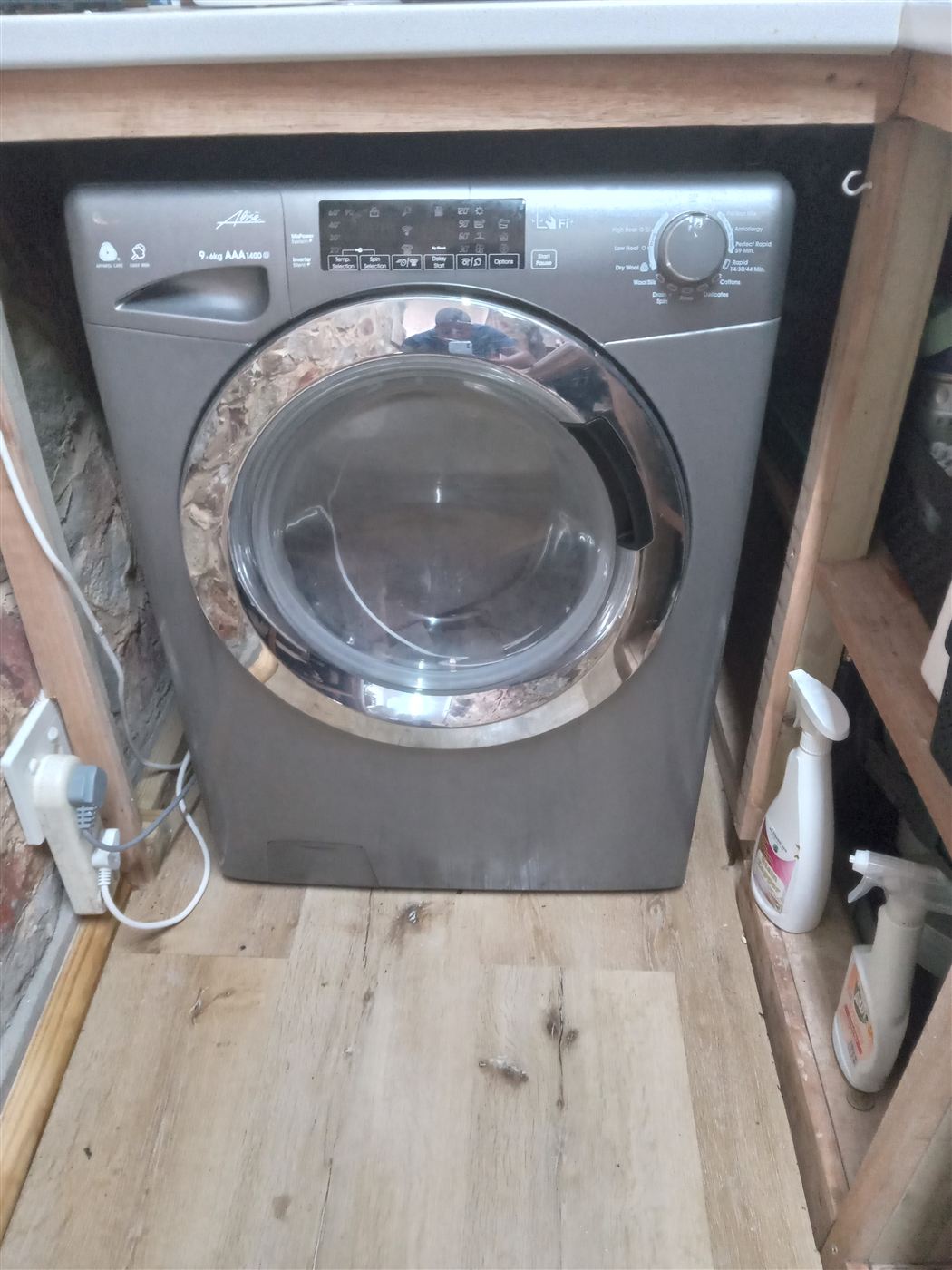
This Candy Alisé washer-dryer in Steyn City kept stopping partway through the cycle and getting stuck when it should have moved on to the rinse. Before a washing machine can rinse, it has to pump out the wash water. If it can't drain, it waits, and the cycle never finishes. When we opened up the drain pump, we found toothpicks wedged in it, stopping the pump's impeller from turning, so the water couldn't get out. We removed them, cleaned the pump and filter, and ran the machine through a full wash, rinse and spin. It drained properly and finished the cycle. Tip: check pockets before washing. Toothpicks, coins, hair clips and tissues are the usual culprits for drain pump jams, and cleaning the pump filter every month or so catches them before they stop the machine.
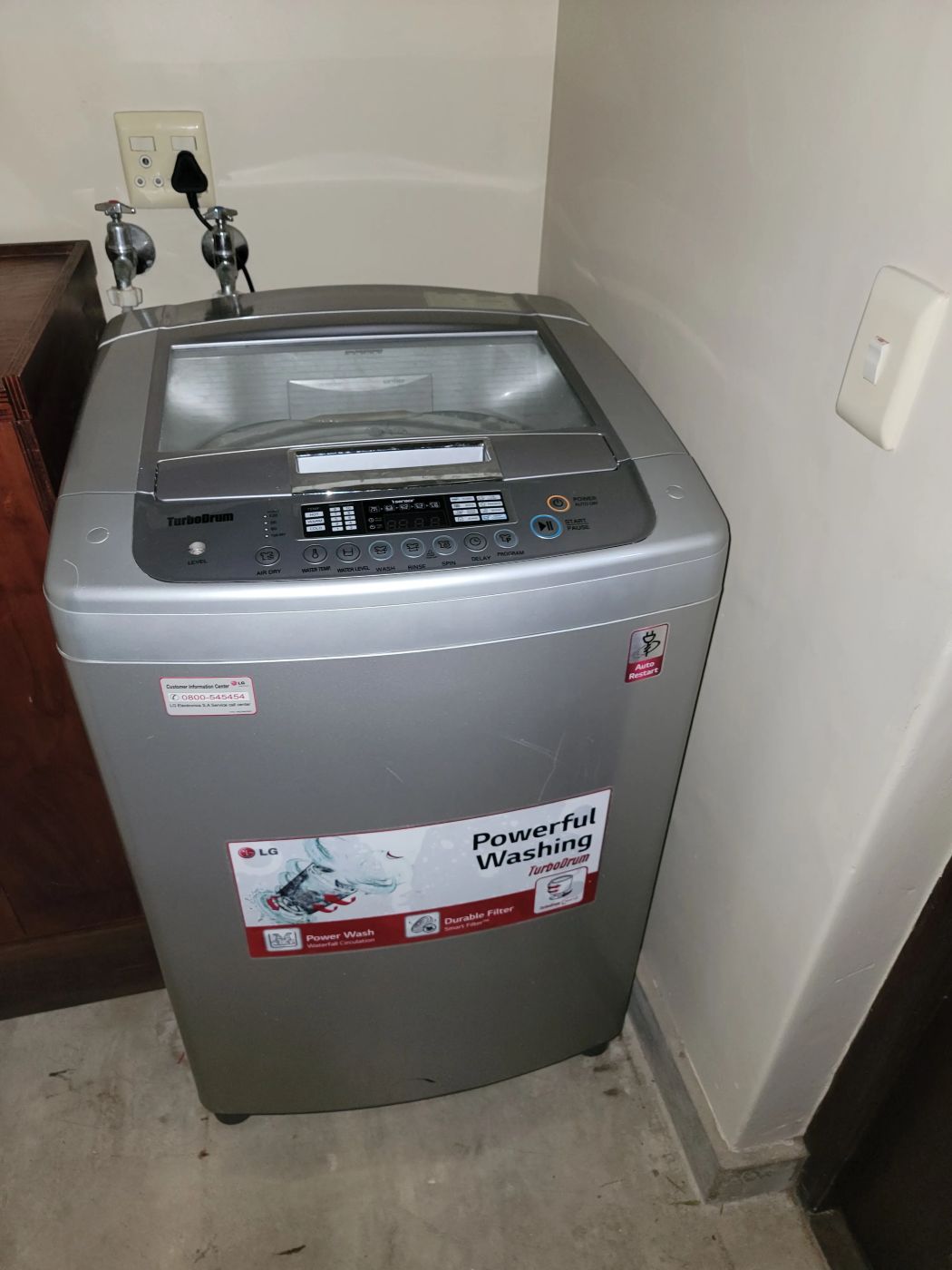
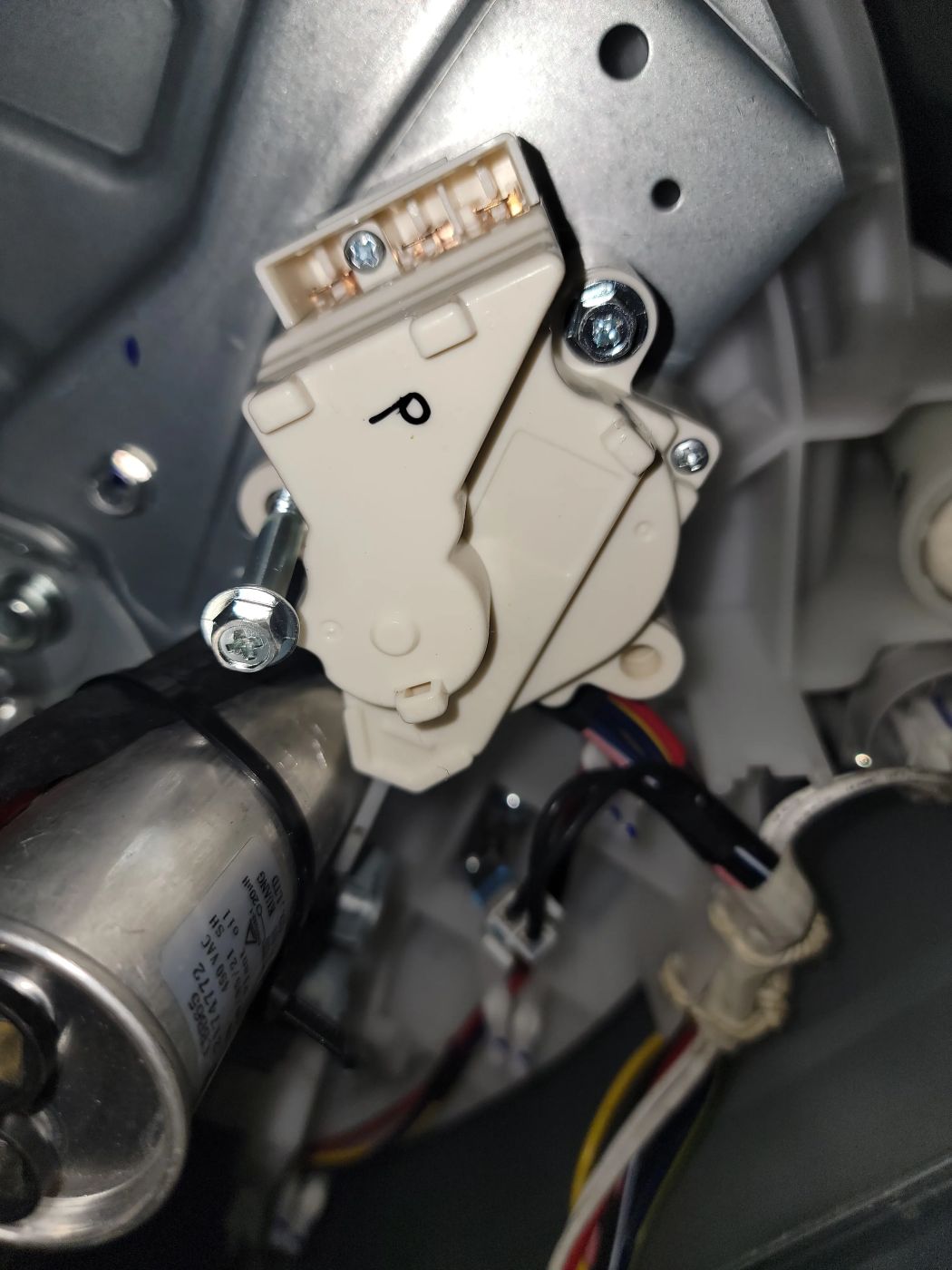
The customer's LG TurboDrum top-loader in Bedfordview was washing normally but wouldn't spin the clothes dry. When we watched it run, the pulsator at the bottom was moving, but the full drum wasn't turning on spin. On many LG top-loaders, a small drain motor does two jobs at once: it opens the drain valve to let the water out, and it shifts the clutch so the whole drum can spin. When that motor fails, the machine can still wash, but it can't drain properly or switch into a full spin. We replaced the faulty drain motor, tested the drain and spin, and the machine was spinning the drum at full speed again. Tip: if your top-loader agitates but won't spin, check first that the load is balanced and the lid closes properly. If it still won't spin, the drain motor, the lid switch or the clutch are the usual causes, and a technician can test which one.
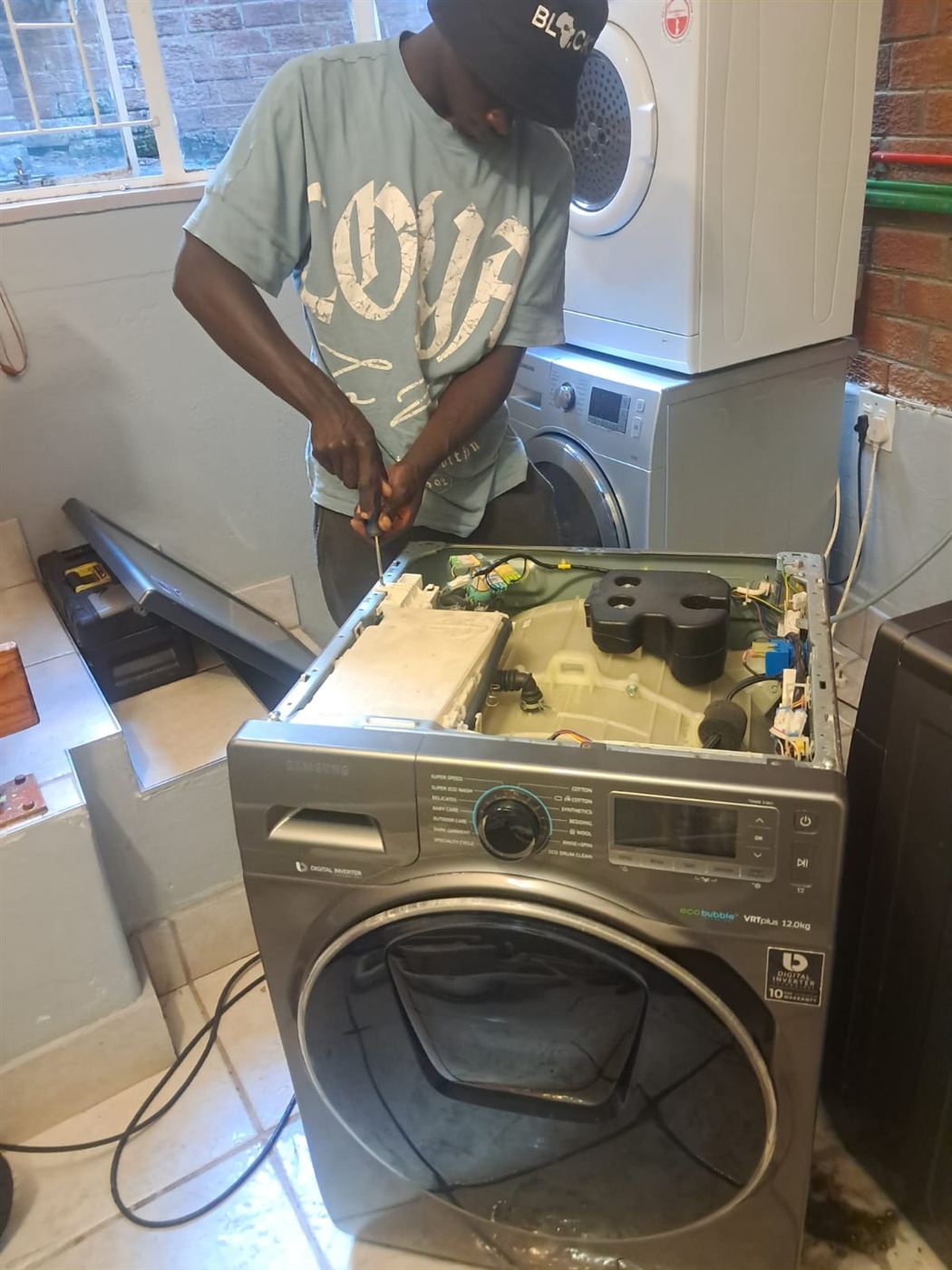
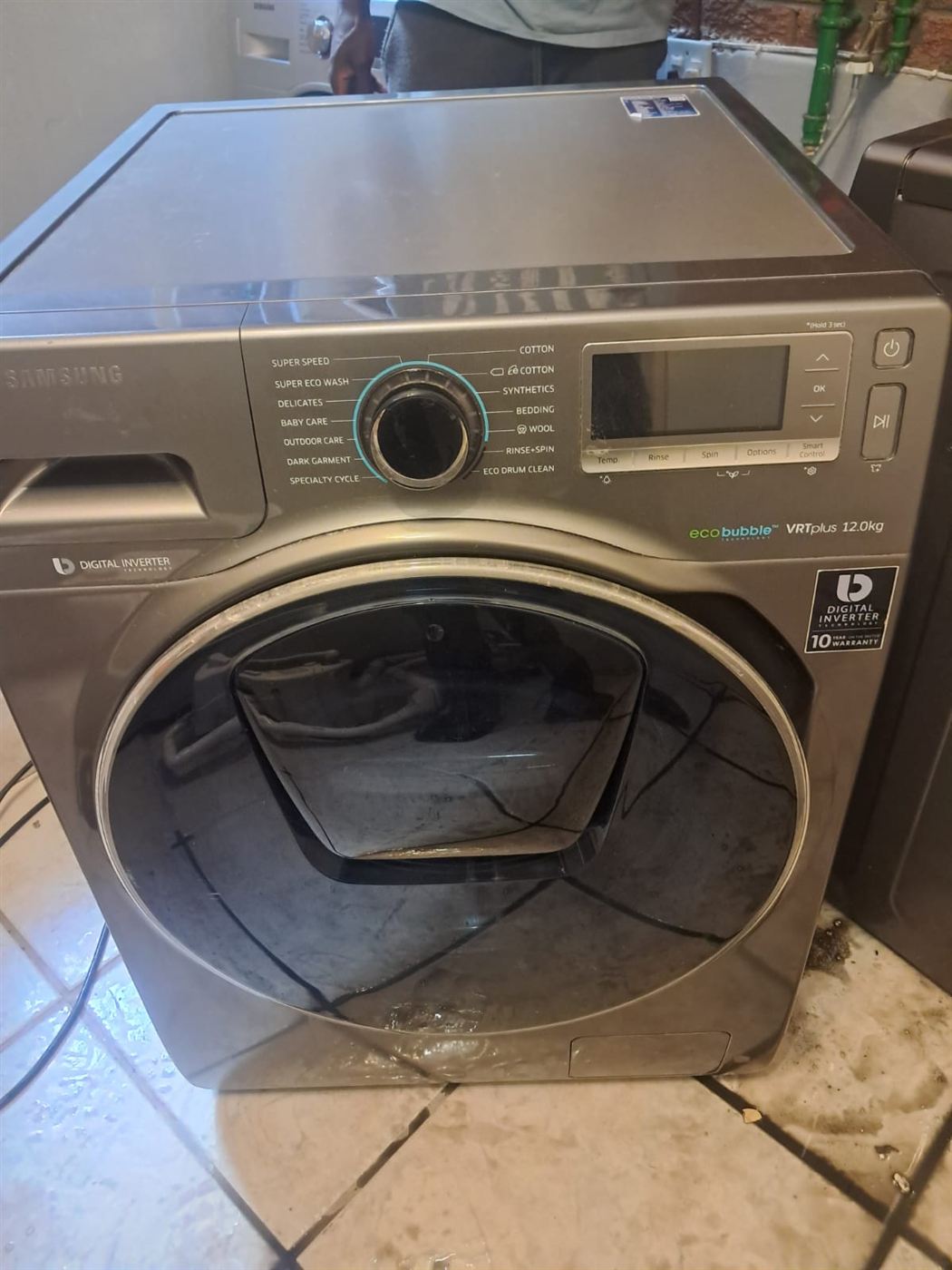
This big 12 kg Samsung EcoBubble washing machine in Birch Acres had stopped taking in water, so the wash cycle couldn't start properly. On Samsung front-loaders, a filling problem usually shows as a 4C or 4E code. We checked the easy things first: the tap was fully open, the inlet hose wasn't kinked, and the small mesh filter where the hose connects was clear. We then took the top off and tested the water inlet valve, the solenoid valve that opens to let water in. It had failed. We fitted a new inlet valve, reassembled the machine and ran it through a fill and wash to make sure it was taking in water properly again. Tip: if your washer won't fill, check the tap and the hose first. If those are fine, the inlet valve or its filter is the most likely cause, and it's a quick, affordable repair.
This Samsung top-loader was failing to drain, leaving the clothes sitting in water at the end of the wash. We checked the drain hose and the outlet for blockages first, since a kinked hose or a blocked standpipe can look exactly like a pump fault. They were clear, so we tested the drain pump itself. It had failed and wasn't pumping the water out. We fitted a new drain pump, reconnected everything and ran the machine through a drain and spin to make sure it emptied properly. The customer's washing machine was back in service the same day. Tip: empty pockets before washing. Coins, hair clips and tissues are what usually damage or block a drain pump. If your machine hums at the end of the cycle but the water doesn't go down, switch it off and call us before the pump burns out completely.
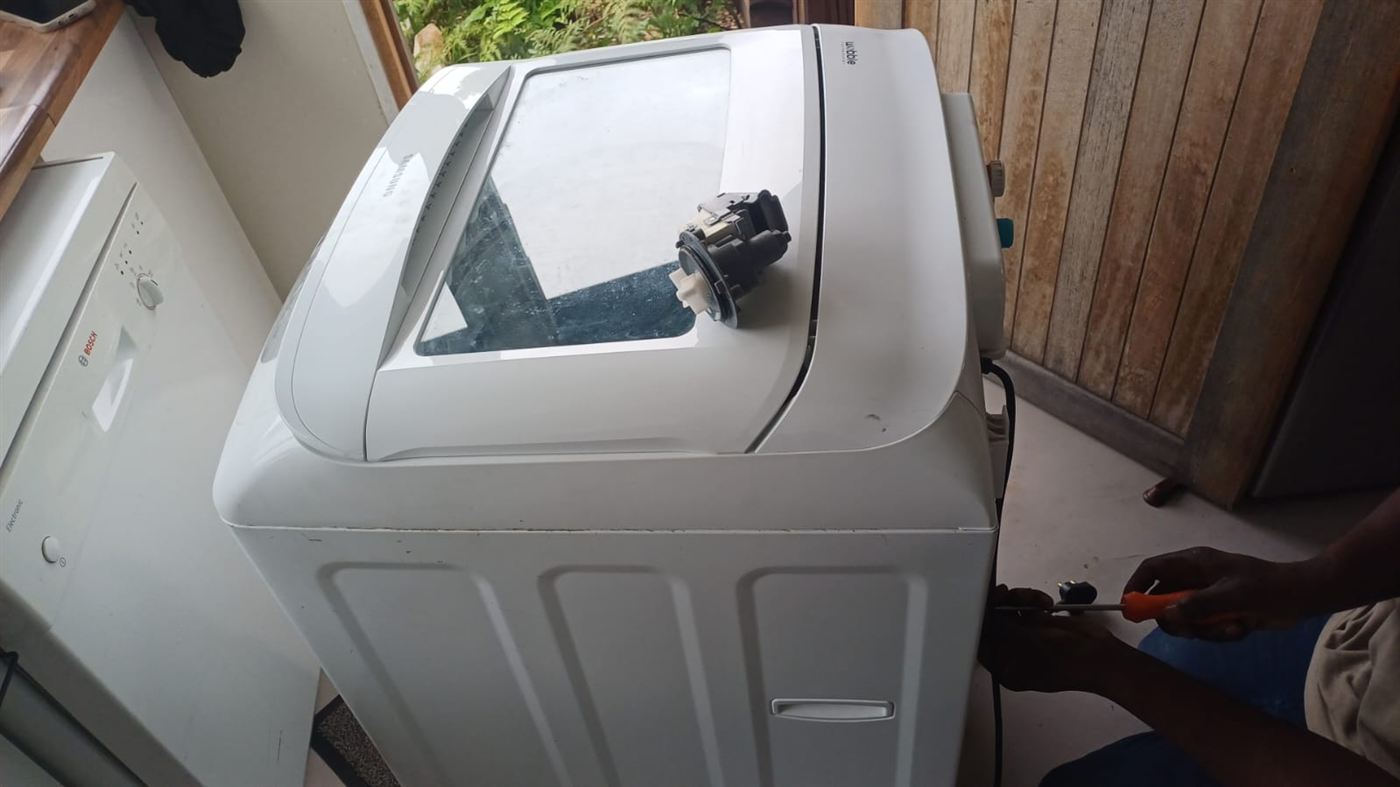
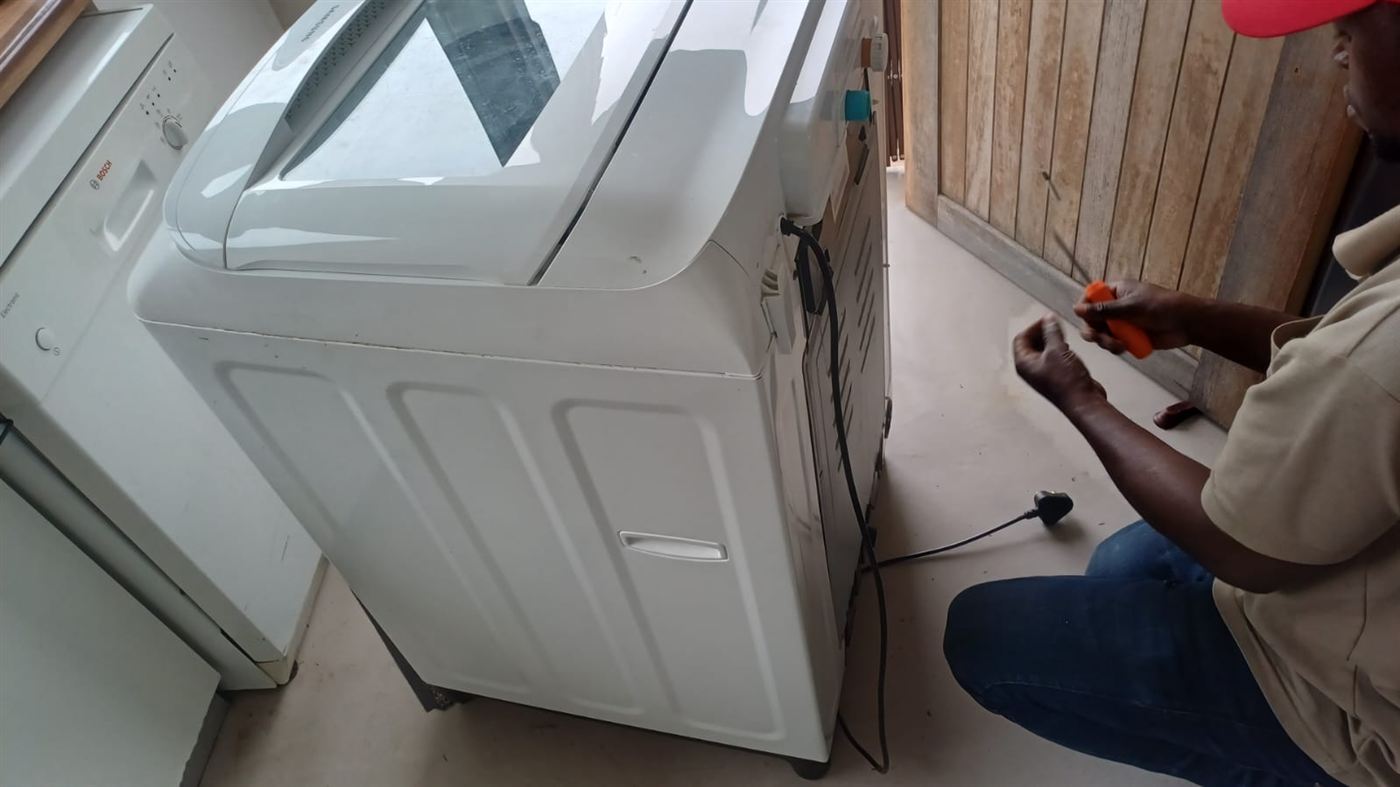
This Miele washing machine had started making a loud noise every time it spun. A noise like that often means worn drum bearings, which is an expensive repair, so the customer was worried. We opened the machine up to find out exactly what was going on. The bearings were fine. The noise was coming from a bra underwire that had worked its way out of a bra, slipped through the drum holes and lodged between the drum and the outer tub. Every time the drum spun, the wire scraped and rattled against it. We removed the wire, checked the drum, tub and seals for damage, reassembled the machine and ran a spin test. It was quiet again. Tip: wash underwire bras in a mesh laundry bag, and check pockets for coins and hair clips. Small metal items are one of the most common causes of washing machine noise, and left too long, they can scratch the drum or puncture the tub.
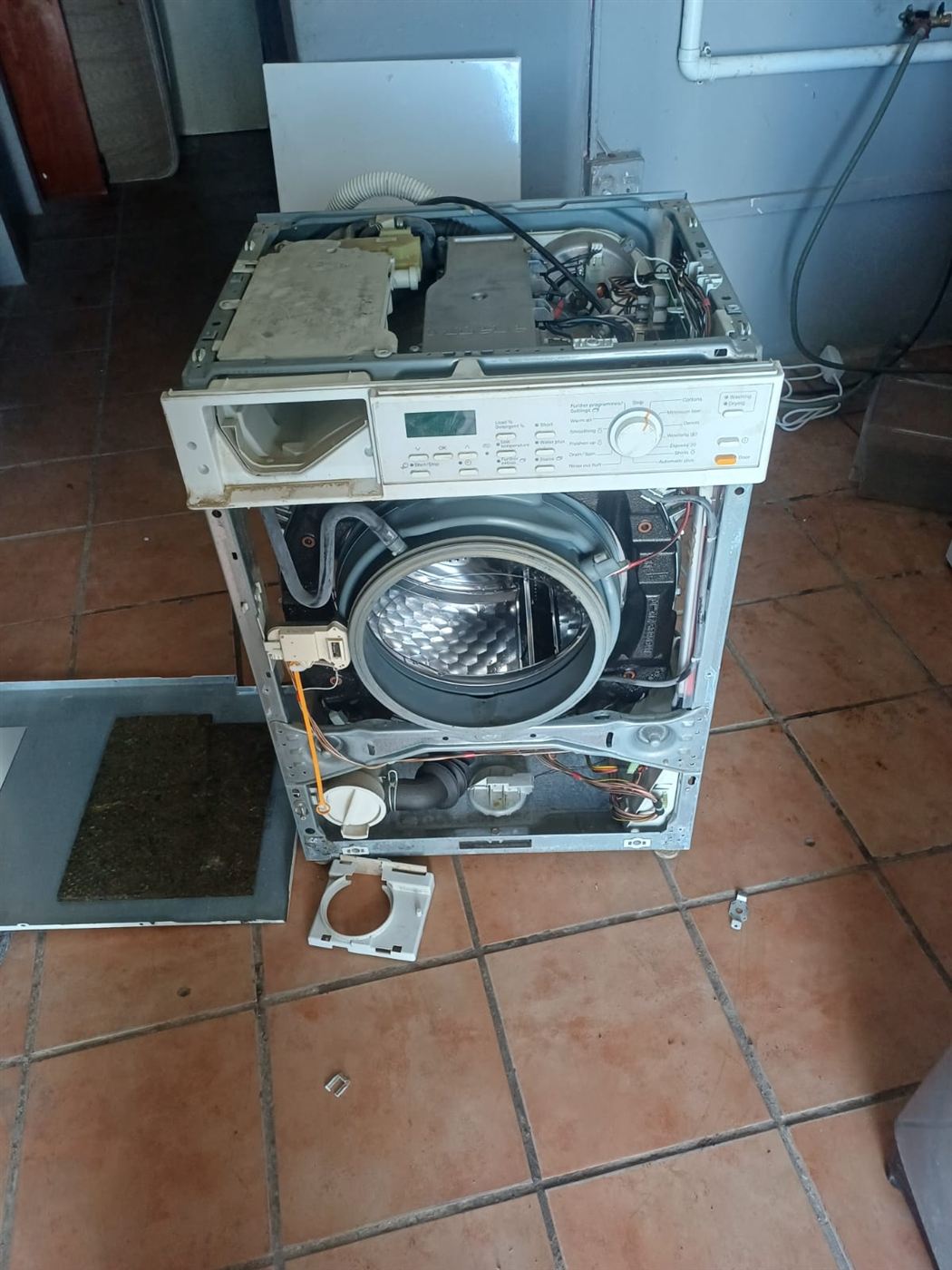
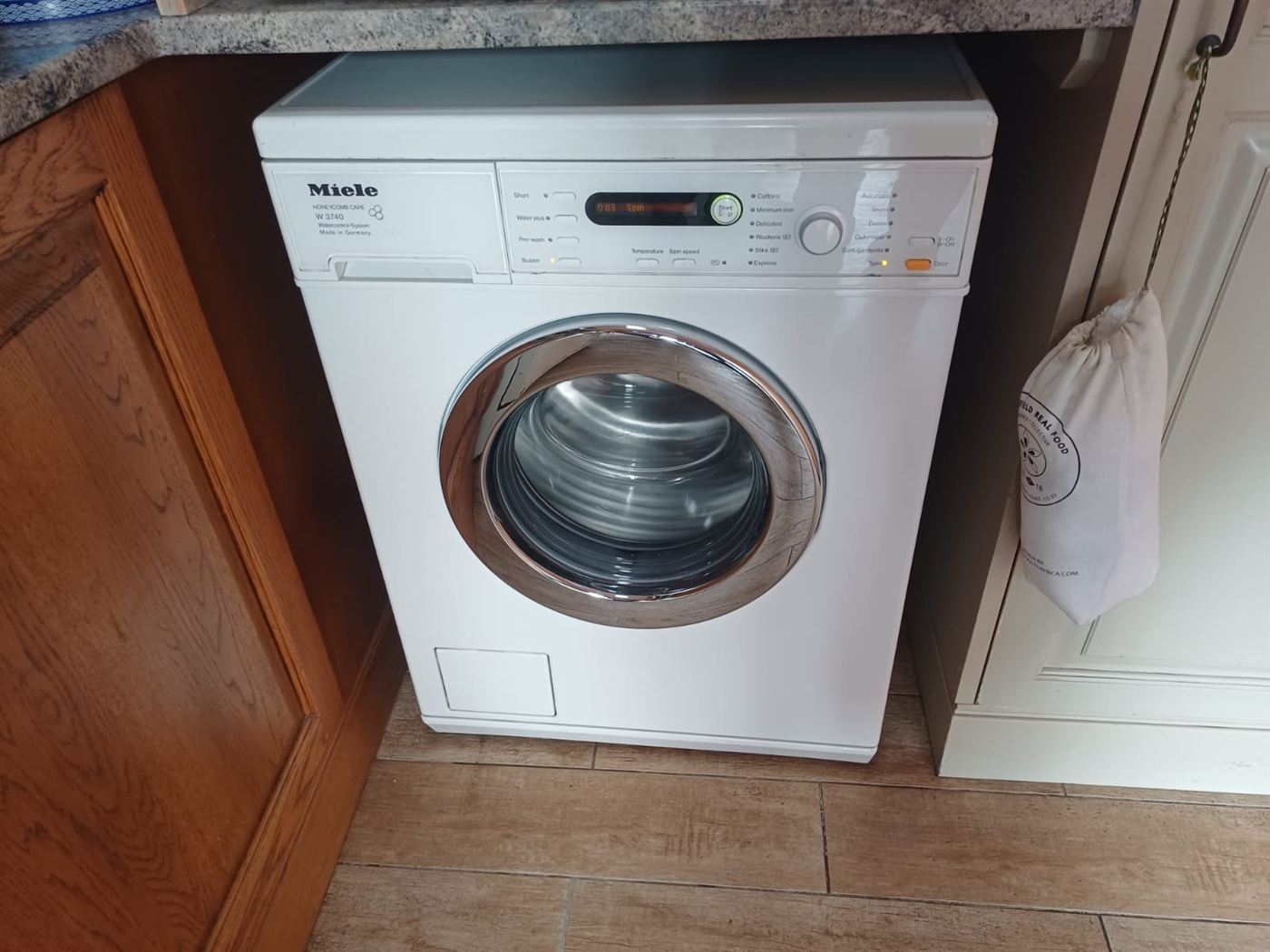
A loud washing machine doesn't always mean bearings. We open the machine and find the real cause before quoting, so you don't pay for a big repair you don't need.
Tell us what's broken and where you are. We'll call you back to confirm a time, usually the same day.
 Absolute